
Do Pregnant Women Really Need to Drink Pregnancy Milk Formula Every Day?
05/11/2026
As soon as they find out they are pregnant, many expectant mothers receive a familiar "package": a few boxes of pregnancy milk formula accompanied by the advice to "drink 2–3 glasses a day to help the baby become smarter and gain weight." Some mothers force themselves to drink it despite experiencing morning sickness, while others feel guilty because they cannot tolerate it.
So, is pregnancy milk formula essential? The short answer is no. Pregnancy milk formula can be a useful option in certain circumstances, but it is not a requirement for a healthy pregnancy.
Pregnancy Requires Adequate Nutrition, Not a Specific Product
During pregnancy, a mother's nutritional requirements increase, but not uniformly across all stages of pregnancy or for all essential micronutrients. During the first trimester, energy requirements remain almost unchanged, making the idea of "eating for two" a misconception.
In the second and third trimesters, pregnant women need approximately 250–450 additional kcal per day, equivalent to one or two small snacks. What increases more significantly is the requirement for certain nutrients:
Protein: Protein is particularly important during the second and third trimesters to support the growth and development of the fetus, placenta and uterus. Recommended food sources include lean meat, fish, eggs, milk and legumes.
Calcium: According to the Ministry of Health's Recommended Dietary Allowances for Vietnamese People, pregnant women need approximately 1,000 mg of calcium per day. However, the actual dietary calcium intake of many Vietnamese women is considerably lower than this level.
Iron and folic acid: The World Health Organization (WHO) recommends that pregnant women take daily supplements containing 30–60 mg of elemental iron and 400 µg of folic acid to prevent anemia and neural tube defects. Folic acid supplementation should begin before pregnancy. No single glass of milk can provide this recommended amount of iron.
Iodine, DHA and vitamin D: Iodine can be obtained from iodized salt and seafood, while DHA can be obtained from fish. Pregnant women should aim to eat fish 2–3 times per week, prioritizing species low in mercury.
These nutritional requirements can be met through a varied diet, combined with supplements prescribed by a doctor when necessary. Pregnancy milk formula is only one of many nutritional support options available to pregnant women.

What Is Pregnancy Milk Formula, and Who May Benefit from It?
Pregnancy milk formula is a specially formulated milk product, usually made from cow's milk, that manufacturers fortify with folic acid, iron, calcium, iodine, DHA and other vitamins and minerals. Essentially, it is a nutritional supplement rather than a medicine, and it offers no unique benefits that cannot be achieved through a varied diet combined with prescribed micronutrient supplements.
Micronutrient content varies considerably between products and is often much lower than the amounts of iron and folic acid recommended by WHO during pregnancy. Each properly prepared glass of pregnancy milk formula provides approximately 150–250 kcal, and many products contain added sugar. Drinking 2–3 glasses daily without reducing other food intake may add 400–700 kcal, exceeding even the additional energy requirements of the third trimester.
Therefore, pregnancy milk formula is not necessary for every pregnant woman. It should only be considered in certain circumstances, following consultation with a doctor or nutrition specialist, such as:
-
Women experiencing severe morning sickness, prolonged poor appetite or difficulty eating sufficient main meals. In these cases, milk may help provide additional energy and protein.
-
Women who were underweight before pregnancy (BMI below 18.5), are gaining weight more slowly than recommended, or have been assessed by a doctor as carrying a fetus that is smaller than expected for gestational age.
-
Women whose main meals are low in protein and calcium and who find it difficult to improve their diets, such as those who consume little milk and dairy products, fish, shrimp or tofu, or who follow a vegetarian diet without adequate nutritional counseling.
-
Women carrying twins or multiple fetuses, who have higher-than-normal nutritional requirements.
Even in these situations, pregnancy milk formula is not the only option. Fresh milk, yogurt, cheese or a protein-rich snack can achieve similar goals. Pregnancy milk formula should only serve as a supplement, not replace main meals or prescribed iron and folic acid supplements.
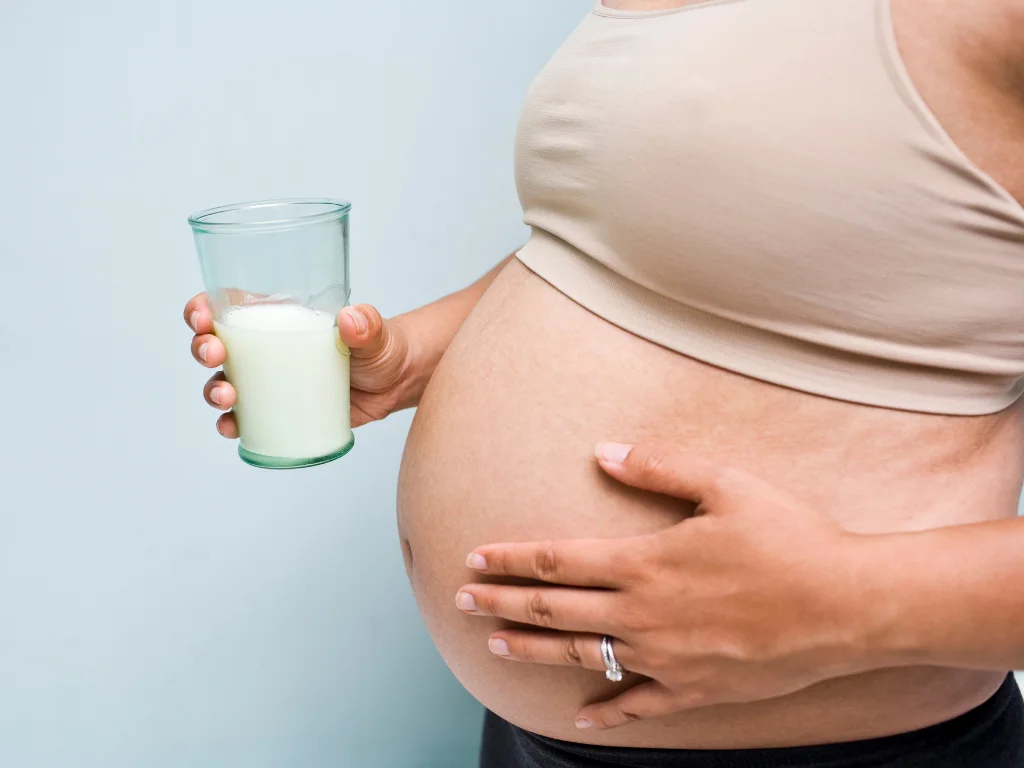
Who Should Exercise Caution When Consuming Pregnancy Milk Formula?
Pregnant women with gestational diabetes or those at high risk (overweight, a history of gestational diabetes or a family history of diabetes): Sweetened milk products may cause a rapid rise in blood glucose levels. If consumed, unsweetened products or formulas designed for people with diabetes should be selected under medical guidance, with intake divided into smaller portions and blood glucose levels monitored.
Pregnant women who are overweight, obese or gaining weight too rapidly: According to the US Institute of Medicine, women with a normal pre-pregnancy BMI should gain approximately 11.5–16 kg throughout pregnancy, while those who are overweight should gain 7–11.5 kg and those who are obese should gain 5–9 kg. Excessive gestational weight gain increases the risk of gestational diabetes, hypertension, preeclampsia, fetal macrosomia and cesarean delivery.
Pregnant women already taking multiple micronutrient supplements: Drinking several additional glasses of pregnancy milk formula may result in overlapping micronutrient intake. In particular, high doses of vitamin A during pregnancy can increase the risk of fetal birth defects, so women should not combine multiple nutritional supplements without medical guidance.
Pregnant women with lactose intolerance or cow's milk protein allergy: Milk consumption may cause abdominal fullness, bloating, diarrhea or other allergic symptoms.
What Can Pregnant Women Consume Instead of Pregnancy Milk Formula?
- Unsweetened or low-sugar UHT or pasteurized milk, yogurt and cheese: Consuming 2–3 servings per day (one serving is equivalent to a 200 mL glass of milk, a 100 g container of yogurt or 1–2 slices of cheese) can provide approximately half of the daily calcium requirement.
- Other calcium sources: Small shrimp, freshwater crabs, small fish eaten with their bones, tofu, sesame seeds and dark green leafy vegetables such as sweet leaf, amaranth greens and mustard greens.
- Protein and iron: Lean meat, fish, eggs and legumes. Liver may be consumed in moderation, but not too frequently because it is very rich in vitamin A.
- A variety of green vegetables, fruits and whole grains: These provide dietary fiber and vitamins and help prevent constipation during pregnancy.
|
Pregnancy Milk Formula Is Neither a "Miracle Product" Nor an "Obligation" A healthy pregnancy is built on a varied diet, appropriate micronutrient supplementation as prescribed, healthy gestational weight gain and regular antenatal check-ups. It does not depend on whether a mother drinks pregnancy milk formula. Pregnancy milk formula can be a useful "helper" for women with poor appetite, severe morning sickness or low body weight. For many other mothers, a glass of fresh milk, a container of yogurt and balanced home-cooked meals are sufficient. What matters most for expectant mothers is maintaining peace of mind and balanced nutrition to ensure the health and safety of both mother and baby, rather than depending on any particular product. |