
My Child Eats Plenty of Vegetables but Still Gets Constipated: What Are Parents Missing?
09/11/2026
Many families have increased their children's intake of green vegetables and fruits, yet constipation continues to recur. This raises an important question: If children already eat plenty of vegetables, why do they still experience constipation? According to pediatric gastroenterology guidelines, including recommendations from ESPGHAN/NASPGHAN and guidance from the US National Institute of Diabetes and Digestive and Kidney Diseases (NIDDK), constipation in children is not solely related to dietary fiber intake. Stool withholding, painful bowel movements, fluid intake, overall dietary patterns and the way parents support their children can all contribute to the persistence of constipation.
Eating Plenty of Vegetables Does Not Necessarily Mean Getting Enough Fiber
Green vegetables are healthy foods, but "eating plenty of vegetables" does not necessarily mean that a child's diet provides enough dietary fiber to meet their needs.
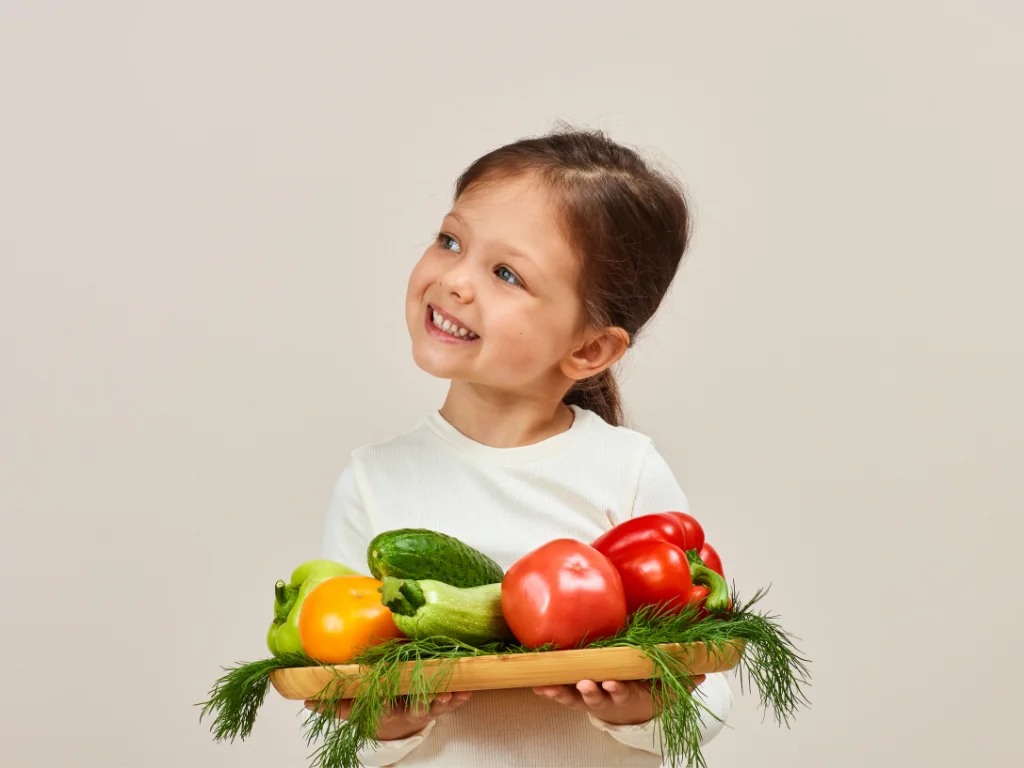
A sudden increase in dietary fiber intake may cause bloating and discomfort, making children even more reluctant to eat. Illustrative image.
Dietary fiber is found in various food groups, including vegetables, whole fruits, legumes, oats, whole grains and certain age-appropriate nuts and seeds. If children eat plenty of vegetables but consume little fruit, frequently eat white bread or refined noodles, or rarely eat legumes, their total fiber intake may still fall short of their requirements.
Another consideration is food preparation and actual portion sizes. A few pieces of vegetables in a meal are not equivalent to a full serving of vegetables. Fruit juice with the pulp removed also does not provide the same amount of dietary fiber as whole fruit.
Parents should diversify their children's diets, increase fiber intake gradually and choose foods appropriate for their age, rather than forcing them to eat large amounts of a single vegetable. A sudden increase in dietary fiber can cause bloating and discomfort, making children even more reluctant to eat.
What Parents Often Overlook: Children May Not Be Drinking Enough Water
Dietary fiber helps increase stool bulk and supports intestinal function, but children also need adequate fluid intake to facilitate bowel movements. When fluid intake is insufficient, particularly during hot weather or periods of increased physical activity, stools may become dry and difficult to pass.
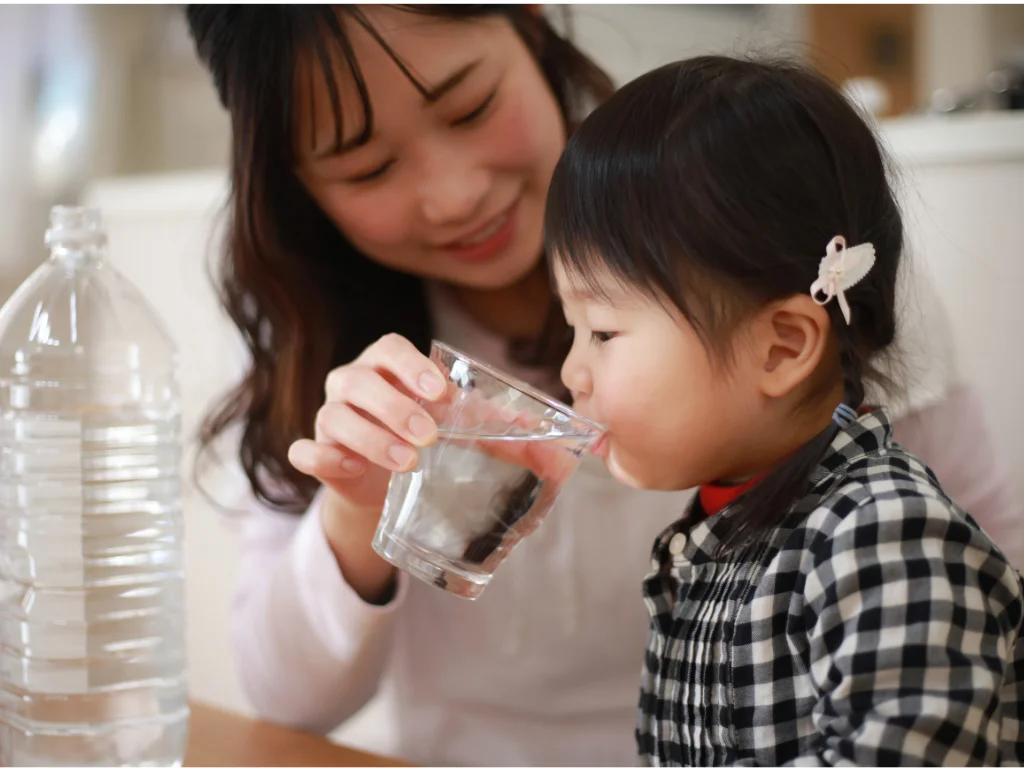
Encourage children to develop the habit of drinking water regularly throughout the day. Illustrative image.
Some children eat vegetables quite well but drink very little water. They may become absorbed in play, avoid using the toilet at school, or prefer milk and soft drinks while rarely drinking plain water. These habits can lead parents to mistakenly believe that their children are eating and drinking adequately.
Encourage children to drink water regularly throughout the day, offer water with meals and remind them to drink after physical activity. Fluid requirements depend on age, body weight, weather conditions and health status. Children should not be forced to drink excessively large amounts of water, nor should a single formula be applied to all age groups.
It is also important to understand that drinking large amounts of water is not the sole treatment for constipation. The key is to ensure adequate fluid intake, maintain a balanced diet and address the factors that cause children to withhold stools.
A Dangerous Vicious Cycle: Painful Bowel Movements Lead to Further Stool Withholding
This is one of the most frequently overlooked causes because each painful bowel movement caused by hard stools can make children afraid of the next one. Children may begin withholding stools, tightly crossing their legs, standing on tiptoe, arching their bodies or hiding in a corner when they feel the urge to defecate. Parents sometimes interpret these behaviors as deliberate defiance, but in reality, children may be trying to avoid pain.
When stool remains in the colon for too long, water continues to be absorbed, making the stool harder and more difficult to pass. The next bowel movement becomes painful again, reinforcing the child's fear. If the condition persists, fecal impaction may develop. Liquid stool leaking around the impacted stool may sometimes be mistaken for diarrhea.
Therefore, simply increasing vegetable intake without addressing stool-withholding behavior may allow constipation to continue recurring. Parents should calmly observe signs of stool withholding, avoid scolding their children, refrain from forcing them to sit on the potty for extended periods and avoid turning toileting into a family struggle. Children need support to pass stools comfortably, without pain or fear.
Milk and Snacks May Be Displacing Essential Foods
In some young children, excessive milk consumption may reduce appetite, causing them to eat fewer fiber-rich foods and other nutritionally diverse foods. Children may drink milk several times a day but eat little whole fruit, legumes, whole grains or home-cooked family meals.
However, milk should not automatically be considered the cause of constipation in every child. In some cases of persistent constipation, a doctor may need to assess the possible role of cow's milk protein allergy or other underlying causes. Parents should not eliminate milk and dairy products on their own, particularly in growing children.
The appropriate approach is to review the child's entire daily diet: how much milk they drink, what foods they eat, whether they skip main meals and whether they consume large amounts of confectionery or low-fiber foods. The goal is to help children maintain a varied diet that provides adequate energy and meets their developmental needs.
Children May Withhold Stools Because They Are Busy Playing, Avoid Toilets or Are Pressured into Potty Training Too Early
Young children may not always recognize or respond promptly to the urge to have a bowel movement. Older children may become absorbed in play, feel uncomfortable using school toilets or simply not want to interrupt their activities. Some children are afraid of toilets, fear painful bowel movements or experience pressure from parents during potty training.
Parents can help by establishing regular toileting routines, particularly after meals, when the natural reflex that stimulates bowel movements is usually more active. For children who are ready for toilet training, create a comfortable environment, ensure they can sit securely and provide appropriate foot support. Praise their cooperation rather than only praising them when they successfully pass stools.
If a child is constipated and afraid of bowel movements, temporarily reduce the pressure associated with potty training. Do not punish children for fecal soiling or for failing to have a bowel movement when adults expect them to.
Physical Inactivity, Unbalanced Diets and Other Causes
Regular physical activity supports digestive health and helps establish healthy daily routines. Children who spend excessive time sitting and using smartphones or tablets, or who rarely participate in outdoor activities, may miss opportunities for necessary physical activity.
Parents should also consider several other factors:
-
Medications and supplements: Certain iron supplements, antacids containing calcium or aluminum, and some other medications may contribute to constipation.
-
Underlying medical conditions: Hypothyroidism, celiac disease, Hirschsprung disease and certain neurological or structural abnormalities of the digestive tract can cause constipation.
-
Persistent functional constipation: This is a common condition in children that requires appropriate assessment and treatment rather than dietary changes alone.
Not every child with constipation needs testing for rare medical conditions. However, if constipation persists, recurs frequently or does not respond to appropriate measures, the child should be evaluated by a doctor.
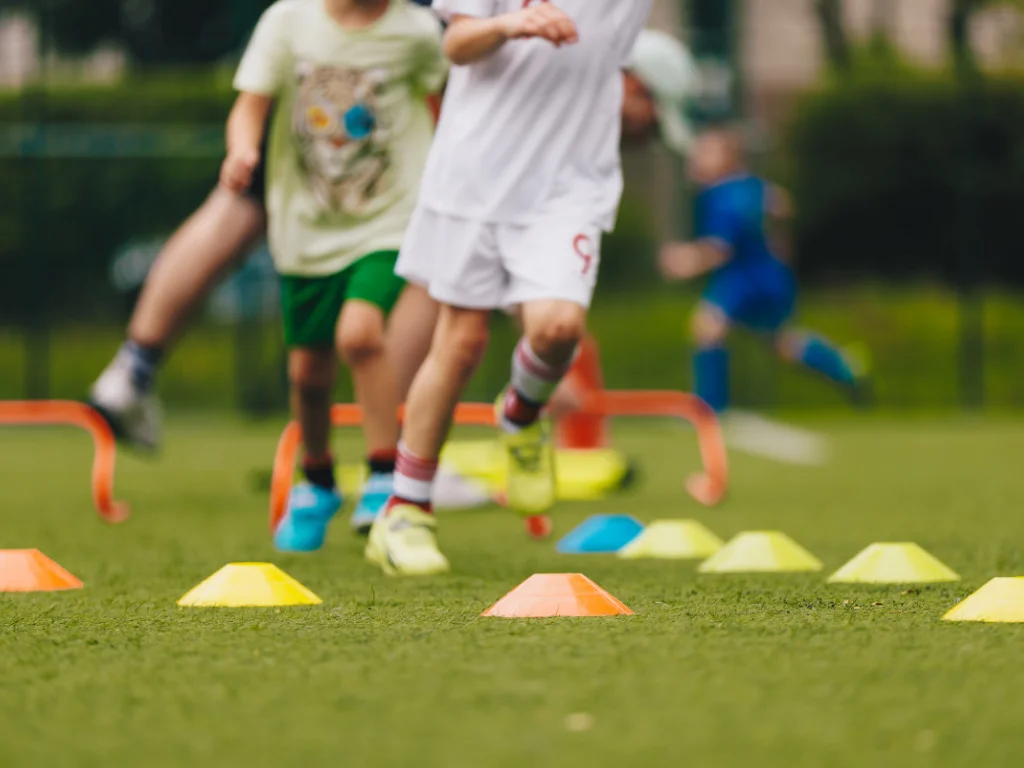
Regular physical activity supports digestive health and helps establish healthy daily routines. Illustrative image.
When Should Parents Take Their Child to See a Doctor?
Parents should not continue making dietary adjustments indefinitely if their child shows warning signs. Medical attention should be sought promptly if constipation lasts more than two weeks or does not improve with home care. In particular, immediate medical evaluation is necessary if a child experiences:
-
Vomiting, especially green (bilious) vomiting, or severe, persistent abdominal pain.
-
Marked abdominal distension.
-
Blood in the stool or unexplained rectal bleeding.
-
Weight loss, poor growth or a significant reduction in food intake.
In newborns, additional warning signs include delayed passage of meconium after birth, constipation beginning in the first weeks of life or accompanying developmental abnormalities. These symptoms require evaluation to rule out underlying organic causes.
Do Not Let Children Suffer from Constipation Simply Because Parents Believe "Eating More Vegetables Is Enough"
When a child experiences constipation, parents should take the following steps simultaneously:
-
Assess the overall diet rather than simply counting the amount of vegetables consumed.
-
Ensure adequate fluid intake and provide a variety of age-appropriate fiber-rich foods.
-
Watch for signs of stool withholding, painful bowel movements and fear of using the toilet.
-
Establish gentle, regular toileting routines without pressure or punishment.
-
Seek medical advice if constipation persists, recurs or is accompanied by warning signs.
Most importantly, childhood constipation is not simply a dietary issue. Once children develop the vicious cycle of pain, fear, stool withholding and hard stools, adding more vegetables is often insufficient to resolve the problem. Doctors may need to prescribe stool softeners or laxatives appropriate for the child's age, medical condition and degree of fecal impaction. Parents should not give children medications, administer enemas or use unverified home remedies without medical guidance.
Managing childhood constipation requires a combination of appropriate nutrition, positive bowel habits and timely treatment. Instead of asking only, "Has my child eaten enough vegetables today?", parents should also ask, "Is my child drinking enough water? Are they afraid of bowel movements? Are they withholding stools? And do they need support from a doctor or nutrition specialist?"
This is the approach that can help children achieve lasting relief from constipation, eat comfortably, grow healthily and avoid carrying a fear of using the toilet into adulthood.
Associate Professor Nguyen Trong Hung, PhD, Physician
Director, Center for Nutrition Counseling, Rehabilitation and Obesity Control, National Institute of Nutrition