Professor Ha Huy Khoi’s Enduring Legacy in the Development of Nutrition Science in Vietnam
12/11/2026
Over more than half a century devoted to scientific research and education, Professor Ha Huy Khoi, Doctor of Science (DSc) and recipient of the People's Teacher title, made significant contributions to the development of nutrition science in Vietnam. From researching the country's pressing nutritional challenges to training generations of professionals, his achievements continue to have lasting value in efforts to improve, protect and promote public health.
On the morning of November 6, the National Institute of Nutrition, the Vietnam Nutrition Association, Hanoi Medical University and the family of Professor Ha Huy Khoi, DSc, jointly organized a symposium in Hanoi to commemorate the 90th anniversary of his birth (1936–2026).
The symposium was attended by current and former leaders of the National Institute of Nutrition and Hanoi Medical University, representatives of professional associations, educational and research institutions, as well as the professor's family, colleagues and generations of former students.
More than an occasion to remember and honor a scientist who made substantial contributions to the healthcare sector, the symposium also provided an opportunity to reflect on the scientific, educational and humanistic values Professor Ha Huy Khoi left behind. It served to inspire a sense of responsibility, a passion for research and a commitment to serving the community among successive generations of nutrition professionals.
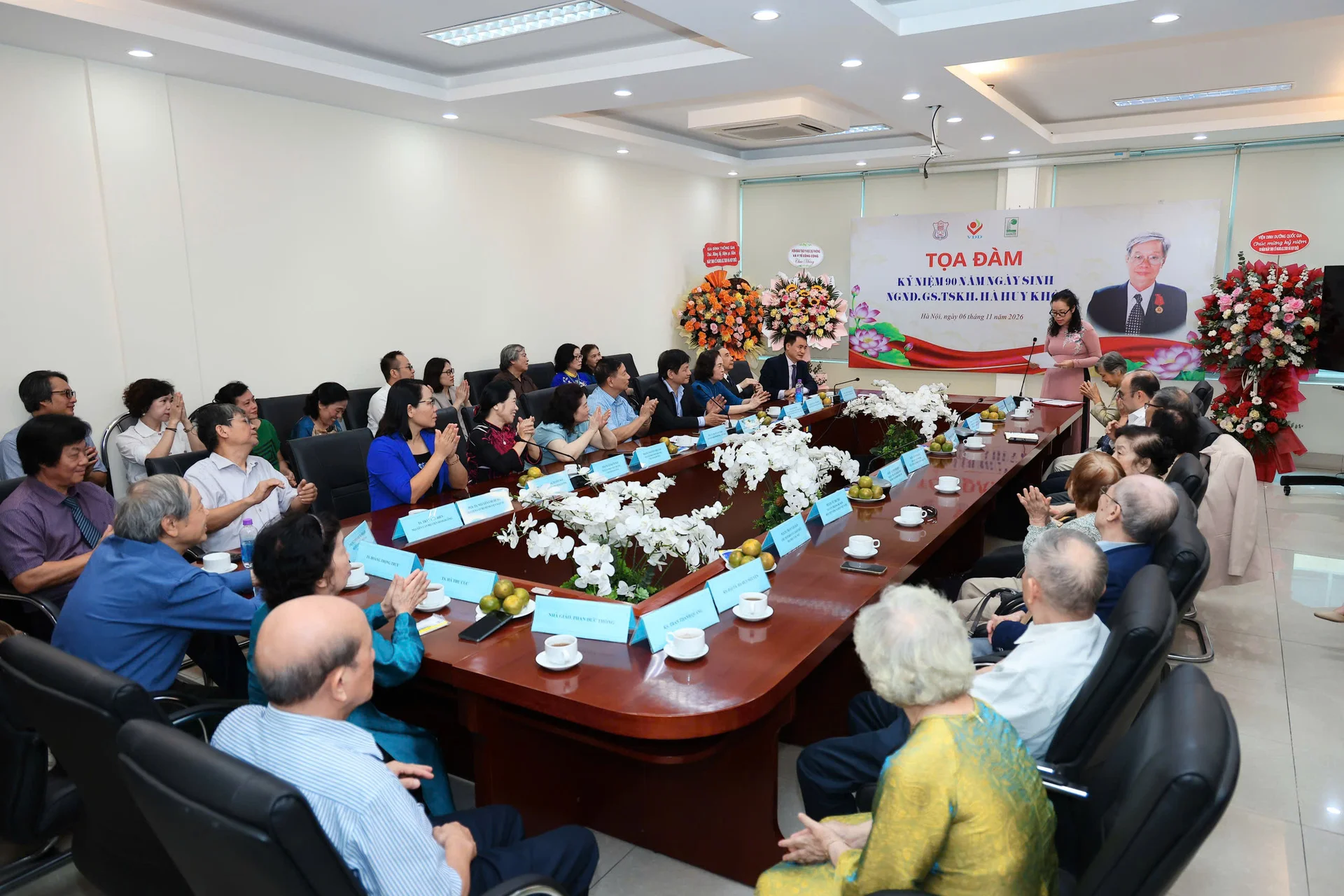
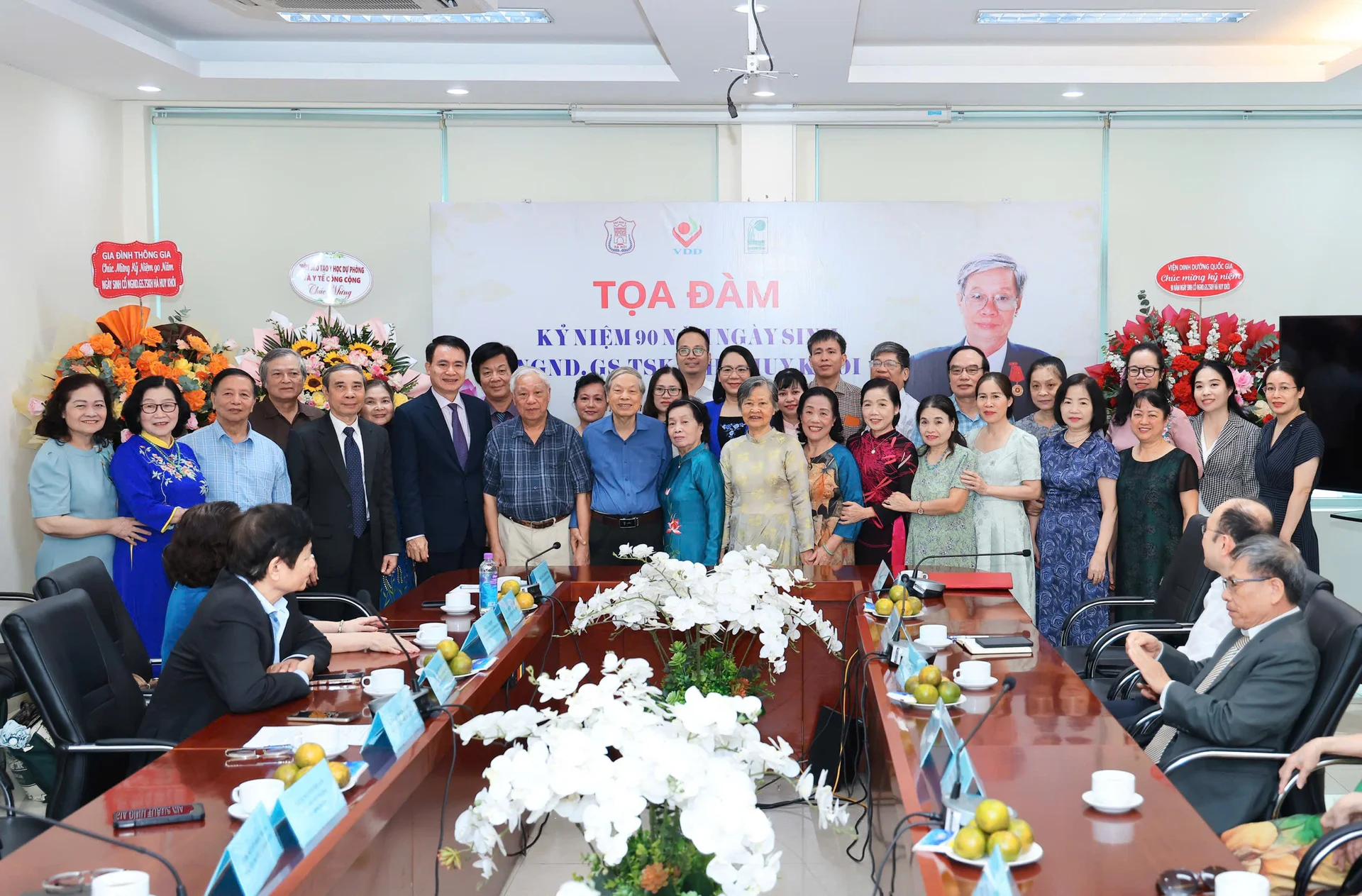
Overview of the symposium commemorating the 90th anniversary of the birth of Professor Ha Huy Khoi, DSc, recipient of the People's Teacher title.
Helping Build the Scientific Foundations of Nutrition in Vietnam
Speaking at the symposium, Associate Professor Tran Thanh Duong, PhD, Director of the National Institute of Nutrition, reviewed key milestones in the life and career of Professor Ha Huy Khoi, DSc, highlighting his contributions to the establishment and development of nutrition as a scientific discipline in Vietnam.
Born on August 6, 1936, in Ha Tinh Province into a family with a strong tradition of patriotism and dedication to education, Professor Ha Huy Khoi chose early in life to pursue academic study, scientific research and service to the healthcare sector.
In 1962, after graduating with honors from Hanoi Medical University, he was retained as a faculty member and helped establish the Department of Nutrition and Food Hygiene at a time when the field was still relatively new in Vietnam.
From the beginning of his career, he devoted considerable effort to conducting research, systematizing scientific knowledge and preparing teaching materials, helping gradually establish the scientific foundations of nutrition and food hygiene.
In 1980, when the National Institute of Nutrition was established, Professor Ha Huy Khoi was appointed Deputy Director. Working alongside Professor Tu Giay, PhD, and the Institute's founding staff, he actively participated in its establishment and development, helping build its scientific foundations, professional workforce, and research and nutritional intervention activities to support public health.
At a time when Vietnam faced considerable economic and social difficulties, and malnutrition and micronutrient deficiencies were major public health concerns, Professor Ha Huy Khoi's research focused on addressing urgent practical needs.
One of his most notable contributions was research assessing the nutritional status of Vietnamese children under State-level Scientific Research Program 64-D. The findings provided important scientific evidence on childhood nutritional conditions and helped lay the groundwork for the development and implementation of programs to improve maternal and child nutrition.
Notably, while investigating the nutritional status of the Vietnamese population, the professor observed that average height had remained virtually unchanged compared with findings reported by a French researcher approximately a century earlier.
This finding reflected the suppression of linear growth associated with nutritional and environmental factors amid prolonged periods of war, poverty and disease. It also laid the foundation for subsequent studies monitoring growth trends among the Vietnamese population.
In addition, he personally designed and organized studies on vitamin A deficiency and xerophthalmia, and participated in directing programs to prevent and control vitamin A deficiency and nutritional anemia.
These research projects and activities helped advance community nutrition research, strengthen international cooperation and establish the importance of scientific evidence in identifying priority nutritional challenges.
In particular, beginning in the 1990s, Professor Ha Huy Khoi recognized the importance of the nutrition transition amid socioeconomic development and changes in people's diets and patterns of disease.
He proposed expanding the research agenda beyond undernutrition to address problems associated with unhealthy diets, including overweight, obesity and nutrition-related noncommunicable diseases.
This approach had long-term significance, demonstrating scientific foresight in anticipating changes in nutrition and public health.
Today, as Vietnam continues to face the double burden of malnutrition, these research directions remain highly relevant, helping inform comprehensive interventions tailored to different population groups and stages of development.
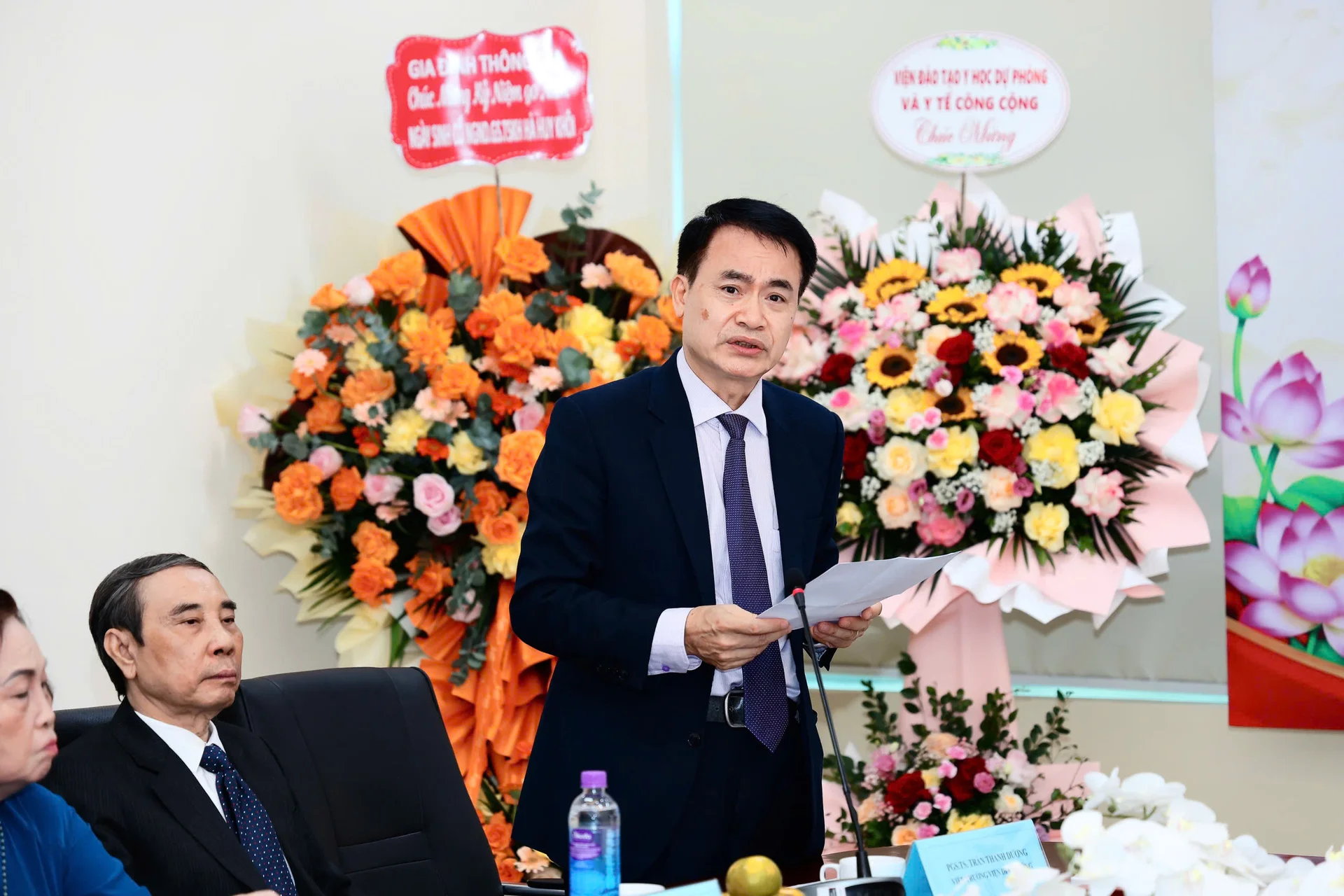
Associate Professor Tran Thanh Duong, PhD, Director of the National Institute of Nutrition, speaks at the symposium.
Linking Scientific Research with Policy and Public Health
One of the defining features of Professor Ha Huy Khoi's career was his belief that scientific research should be grounded in practical challenges and directed toward improving nutritional status and promoting public health.
Throughout his career, he emphasized not only fundamental research but also the translation of research findings into scientific evidence to support program development, guide interventions and address nutritional challenges in communities.
His studies on childhood malnutrition, vitamin A deficiency, nutritional anemia and the nutrition transition helped provide the scientific basis for the healthcare sector to identify priorities and develop and implement nutrition improvement initiatives suited to Vietnam's circumstances.
A notable aspect of the professor's approach was the integration of scientific research, professional training and the practical implementation of nutrition programs.
This approach was also significant for the development of the National Institute of Nutrition, gradually reinforcing the role of nutrition research in preventive medicine, primary healthcare and improving population health.
Alongside his domestic research activities, Professor Ha Huy Khoi actively promoted scientific cooperation and professional exchanges with international organizations, universities and research institutes, helping Vietnamese nutrition research gain access to scientific advances worldwide.
According to Associate Professor Tran Thanh Duong, PhD, Professor Ha Huy Khoi's contributions were reflected not only in his scientific publications but also in his practice-oriented research philosophy, strong sense of responsibility and lifelong dedication to improving public health.
As Vietnam's healthcare sector increasingly shifts toward proactive disease prevention, health promotion and improved quality of life, these scientific values remain relevant to the development of evidence-based nutrition interventions.
This is also one of the professor's most important legacies: bringing nutrition science closer to everyday life and ensuring that scientific knowledge directly serves the protection and promotion of community health.
A Lifelong Commitment to Training Generations of Nutrition Professionals
In addition to his contributions to scientific research and the development of nutrition as a discipline, Professor Ha Huy Khoi devoted much of his life to education and the training of professionals in nutrition and public health.
Over more than 50 years of scientific research and teaching, he led four State-level research projects, published 155 research papers and scientific works in Vietnam and internationally, and authored or compiled 27 textbooks and specialized academic publications. He also supervised numerous doctoral candidates and master's students.
These achievements reflect the sustained dedication, rigor and commitment of an educator who placed particular importance on developing the next generation of qualified professionals.
Beginning in 1978, he participated in training the first groups of physicians in therapeutic nutrition and subsequently contributed to the development of the master's degree program in Community Nutrition.
As Head of the Department of Nutrition and Food Safety at Hanoi Medical University from 1994 to 2004, he made significant contributions to curriculum development, textbook preparation, faculty development and the promotion of scientific research.
Beyond his work at Hanoi Medical University, he actively supported the development of nutrition departments at other educational institutions, helping expand Vietnam's nutrition workforce training network.
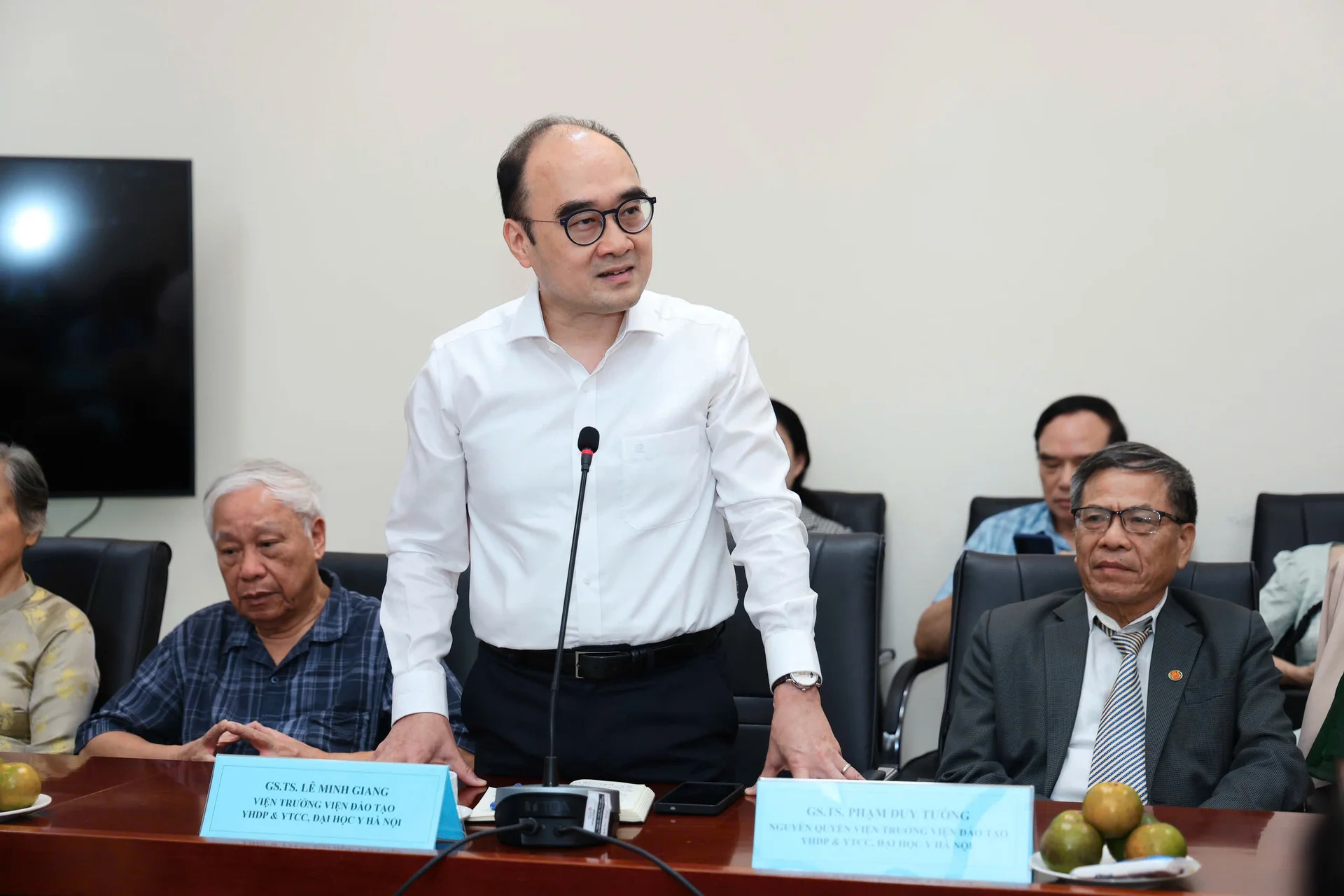
At the symposium, Professor Le Minh Giang, PhD, Director of the Institute for Training in Preventive Medicine and Public Health at Hanoi Medical University, affirmed that Professor Ha Huy Khoi's contributions had left an important mark on the establishment and development of the Department of Nutrition and Food Safety in particular, and medical education more broadly.
According to Professor Le Minh Giang, during the early years when nutrition was still an emerging discipline facing shortages of teaching materials and inadequate educational resources, Professor Ha Huy Khoi actively conducted research, prepared textbooks and shared his knowledge and professional experience with generations of students and postgraduate trainees.
Notably, despite holding numerous responsibilities in administration, scientific research and education, he always made time to teach directly, supervise doctoral candidates and support younger colleagues in their professional development.
Beyond being a knowledgeable and dedicated educator, Professor Ha Huy Khoi was deeply respected by generations of students for his modest and humble way of life.
At the symposium, former students expressed their respect and admiration for his simplicity, dedication and integrity. They also recognized his substantial contributions to educating and mentoring successive generations of professionals in Vietnam's nutrition sector.
Sharing memories of the professor, Professor Le Minh Giang recalled his former teacher's visits to Hanoi Medical University on Vietnamese Teachers' Day, November 20.
Despite having held important positions and made major contributions to the field, Professor Ha Huy Khoi would often arrive early, quietly take a seat and wait, not wishing to inconvenience his former students or colleagues.
This simple gesture left a lasting impression, reflecting the admirable character of a scientist and educator who deeply valued collegial relationships, the bonds between teachers and students, and humility in everyday life.
In recognition of his contributions to science, education and public health, Professor Ha Huy Khoi received numerous prestigious honors from the Party and State, including the Third-Class Resistance Order, the Second- and Third-Class Labor Orders, the title of People's Teacher, and the State Prize for Science and Technology.
He was also recognized and honored by the United Nations Standing Committee on Nutrition for his lifetime contributions to nutrition.
Beyond his honors and scientific achievements, Professor Ha Huy Khoi's most profound legacy lies in the generations of professionals he educated and mentored, who have continued contributing to the development of nutrition in Vietnam.
This legacy represents the continuation of scientific knowledge, a strong sense of responsibility, dedication and an enduring commitment to improving public health.
Carrying Forward His Legacy in the Service of Public Health
Looking back on the life and career of Professor Ha Huy Khoi, it is evident that his contributions consistently brought together three core missions: scientific research, human resource development and the application of advances in nutrition to improve people's lives.
His research on malnutrition, micronutrient deficiencies and the nutrition transition was not only valuable within its historical context but also helped shape important directions for nutrition research and interventions in subsequent years.
Furthermore, the generations of professionals trained and mentored by the professor have continued to contribute to scientific research, teaching, policymaking and the implementation of nutrition programs nationwide.
Building on the values established by earlier generations of scientists, the National Institute of Nutrition continues to prioritize scientific research, human resource development, the provision of evidence to inform policymaking, and the implementation of nutrition improvement interventions to meet emerging demands for protecting, maintaining and promoting public health.
At the same time, stronger cooperation among the National Institute of Nutrition, Hanoi Medical University, and other research and educational institutions remains essential for developing a highly qualified workforce and strengthening the connections between scientific research, education and community healthcare practice.
The symposium commemorating the 90th anniversary of the birth of Professor Ha Huy Khoi, DSc, recipient of the People's Teacher title, was not only an occasion to honor a scientist who devoted his life to nutrition but also a reminder to present generations of their responsibility to preserve and build upon the valuable contributions of their predecessors.
Professor Ha Huy Khoi's contributions continue to be reflected in scientific research, the professional development of successive generations of nutrition specialists and the ongoing advancement of nutrition science in Vietnam, all toward the goal of improving public health and quality of life.
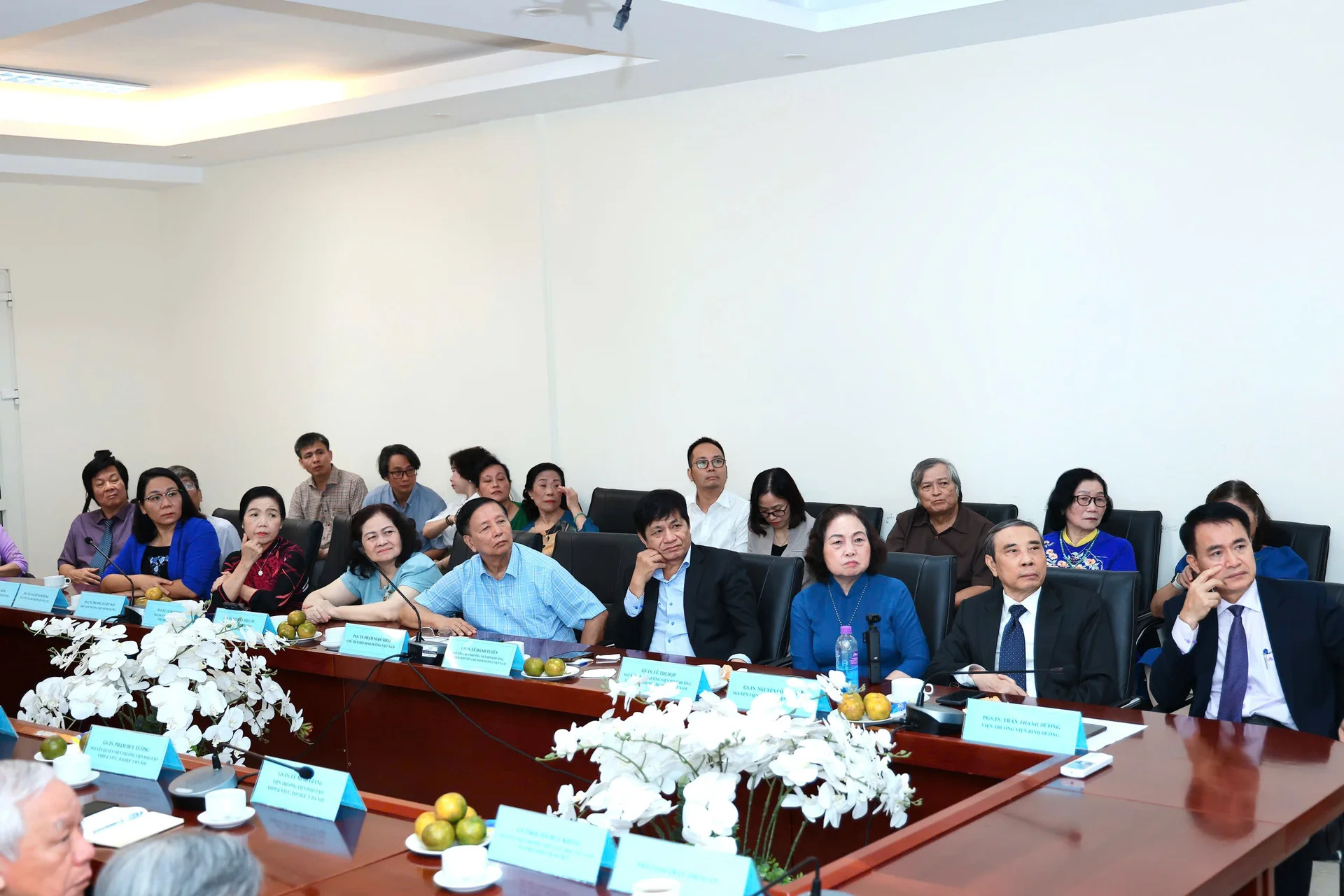
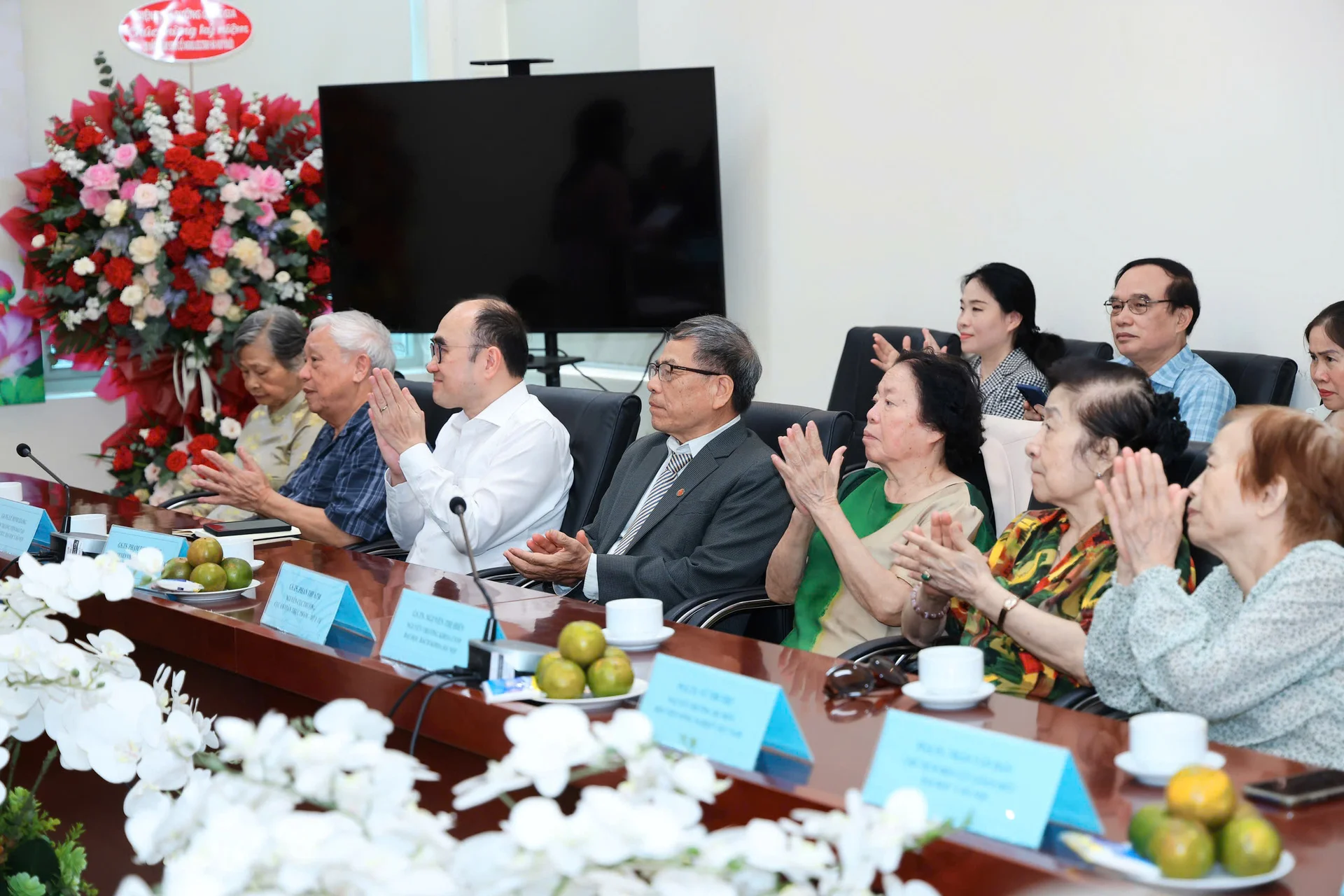
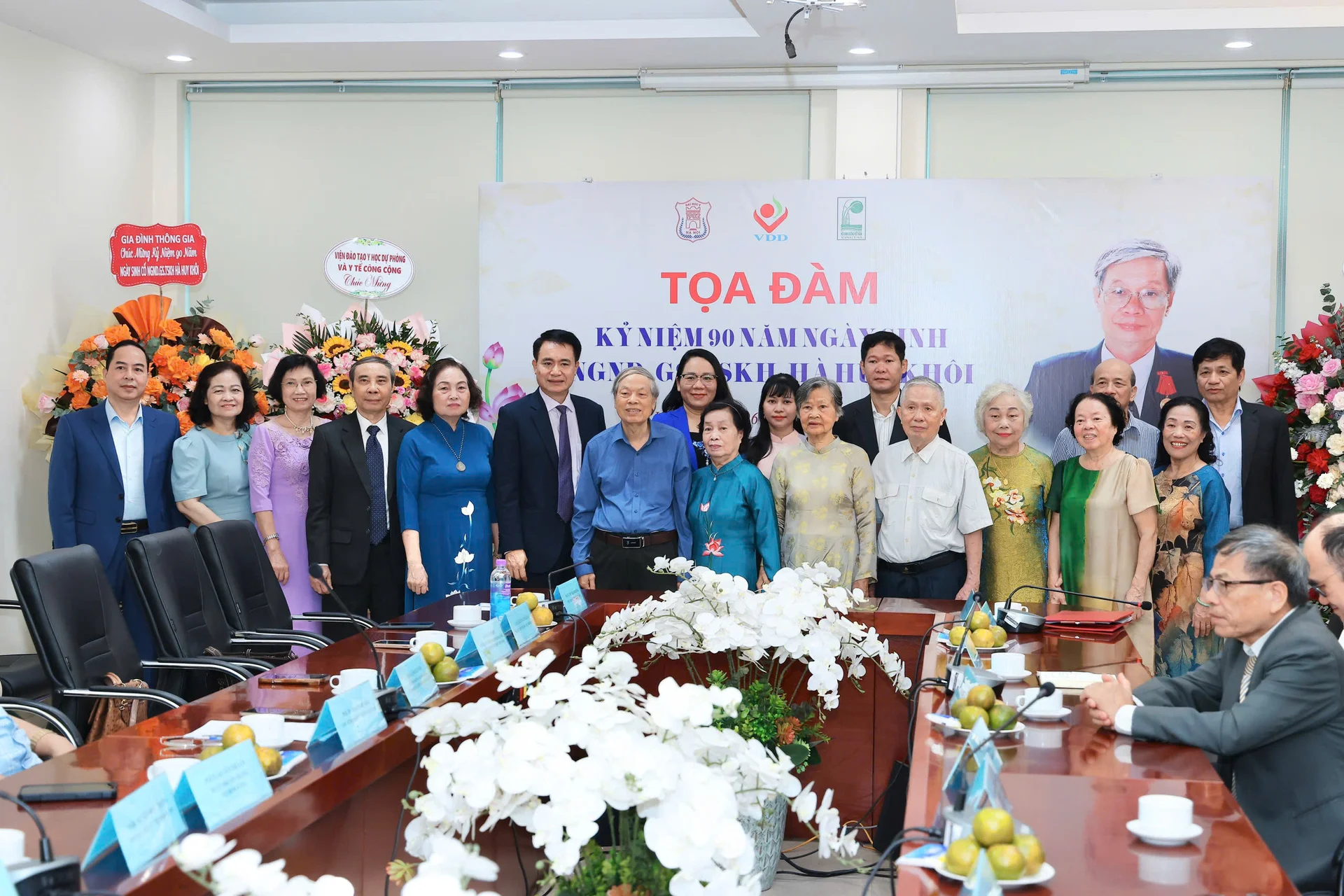
Some images from the symposium: