
CỔNG THÔNG TIN DINH DƯỠNG QUỐC GIA
VIETNAM NUTRITIONAL PORTAL
VIETNAM NUTRITIONAL PORTAL
Vegetarianism is a dietary practice based on plant-derived foods such as cereals, tubers, vegetables, fruits and legumes, while excluding animal-derived foods such as meat, fish and shrimp. Those who completely avoid eggs, dairy products and honey are known as “vegans”. Some forms of vegetarianism allow the consumption of eggs, honey, milk and dairy products.
According to large-scale statistical analyses worldwide, the proportion of vegetarians and vegans has been increasing in recent years, partly due to scientific evidence suggesting that vegetarian diets are associated with improved health outcomes, including reduced risk factors for coronary heart disease, improved blood lipid profiles, lower body mass index (BMI), better blood pressure control, and a reduced risk of certain cancers and type 2 diabetes. Nutritionally, vegetarian diets contain less saturated fatty acids, animal protein and cholesterol, while providing more folate, dietary fiber, antioxidants, plant compounds and carotenoids. Pregnant women may choose vegetarian diets not only because of their perceived health benefits but also due to personal preferences and cultural or religious dietary practices established before pregnancy. Some follow an “involuntary vegetarian diet” because financial difficulties prevent them from affording animal-derived foods, eggs and dairy products.
Research findings have shown that balanced vegetarian diets are associated with appropriate weight gain and a reduced risk of gestational hypertension. Some studies also suggest a protective effect against gestational diabetes due to the higher dietary fiber content of plant-based foods, without increasing the risk of anemia, preterm birth or low birth weight when the diet is well planned and appropriately followed. Fiber-rich vegetarian diets have also been associated with a reduced risk of preeclampsia. These health benefits are more evident among lacto-ovo vegetarians than among strict vegans and depend on dietary quality, the use of nutritional supplements and dietary diversity.
However, some evidence also suggests that vegetarians and vegans face a higher risk of reduced bone mineral density, which may lead to osteoporosis. This concern becomes more serious during pregnancy, when calcium requirements increase, potentially making pregnant women more susceptible to muscle cramps, muscle aches, back pain and early-onset osteoporosis. At the same time, plant-based foods contain low levels of essential micronutrients such as iron, zinc, vitamin B12, vitamin D, omega-3 fatty acids, calcium and iodine. These deficiencies may cause anemia, impaired fetal development or an increased risk of preeclampsia, particularly among pregnant women who have followed a strict vegan diet for a long time. Scientific evidence has shown that vitamin B12 deficiency in pregnant women following strict vegetarian diets increases the risk of neural tube defects (spina bifida) and neurological problems in newborns. Iron-deficiency anemia is very common, as non-heme iron from plant sources has lower bioavailability, potentially leading to maternal fatigue and impaired fetal development. Deficiencies in zinc, calcium, vitamin D, iodine and omega-3 fatty acids may cause bone problems, thyroid disorders and developmental delays. For pregnant women facing financial hardship, “involuntary vegetarianism” due to poverty further increases the risk of malnutrition in both mother and fetus, as it may be accompanied by inadequate dietary energy and protein intake.
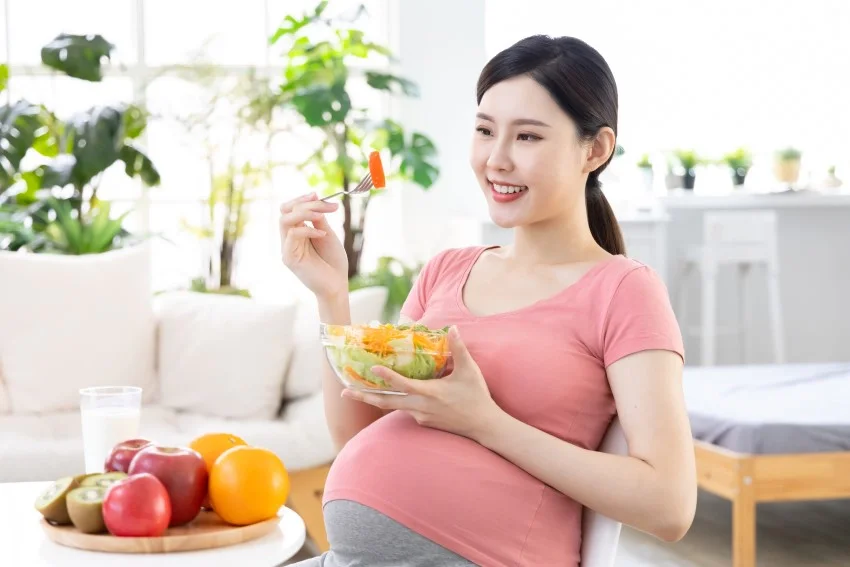
During pregnancy, environmental conditions, habits, lifestyle and dietary practices in particular directly influence the risk of chronic diseases later in life and affect the future health of the fetus. Therefore, the diet during this period must provide adequate and balanced amounts of both macronutrients and micronutrients. The diet should supply sufficient energy (from cereals and high-fat nuts and seeds such as peanuts, sesame seeds, walnuts, pumpkin seeds and cashews) and protein (from beans, legumes, peanuts, sesame seeds, and eggs or dairy products where possible). Iron-rich plant foods (such as beans, legumes, water spinach, amaranth greens and broccoli) should be consumed together with vitamin C-rich foods (such as guava, oranges, mandarins, broccoli, papaya and tomatoes) to enhance iron absorption. Adequate calcium and vitamin D intake should be ensured through soybeans, soy products and green leafy vegetables, along with sources of omega-3 fatty acids such as walnuts, peanuts and chia seeds, and iodine from seaweed. International professional associations also recommend nutritional supplementation throughout pregnancy for women following vegetarian diets to ensure that both the mother and developing fetus receive all the essential nutrients needed for optimal health.