
CỔNG THÔNG TIN DINH DƯỠNG QUỐC GIA
VIETNAM NUTRITIONAL PORTAL
VIETNAM NUTRITIONAL PORTAL
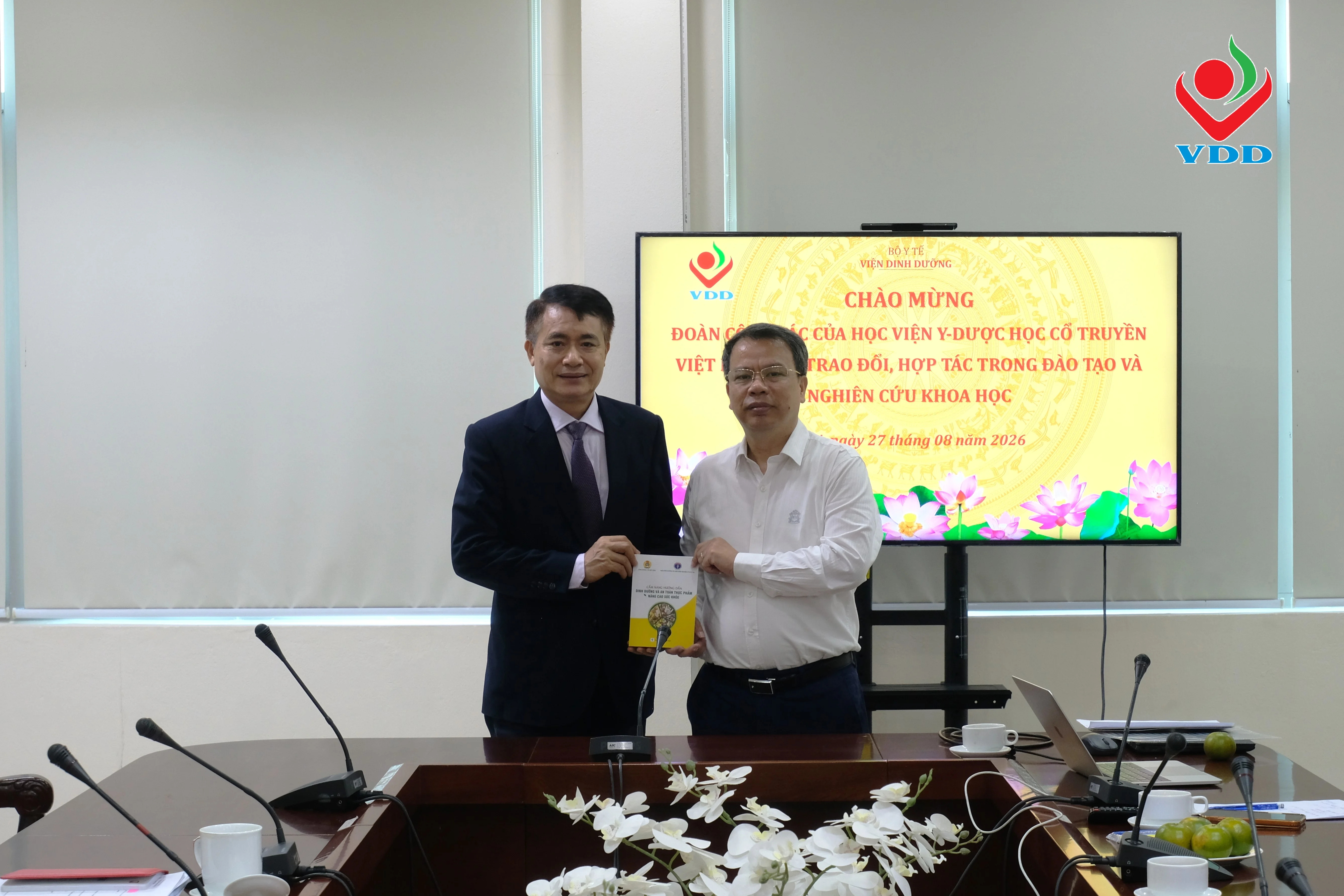
On 27 August 2026 in Hanoi, the National Institute of Nutrition held a working session with a delegation from the Vietnam University of Traditional Medicine to discuss future cooperation in training, scientific research and comprehensive healthcare.
Representing the National Institute of Nutrition were Assoc. PhD. Tran Thanh Duong, Director of the Institute; PhD. Nguyen Hong Truong, Deputy Director; and leaders of relevant departments and centres. The delegation from the Vietnam University of Traditional Medicine was led by Assoc. PhD. Nguyen Quoc Huy, Director of the University, and included representatives of units responsible for personnel organisation and training, as well as the Department of Nursing, Nutrition and Food Safety.
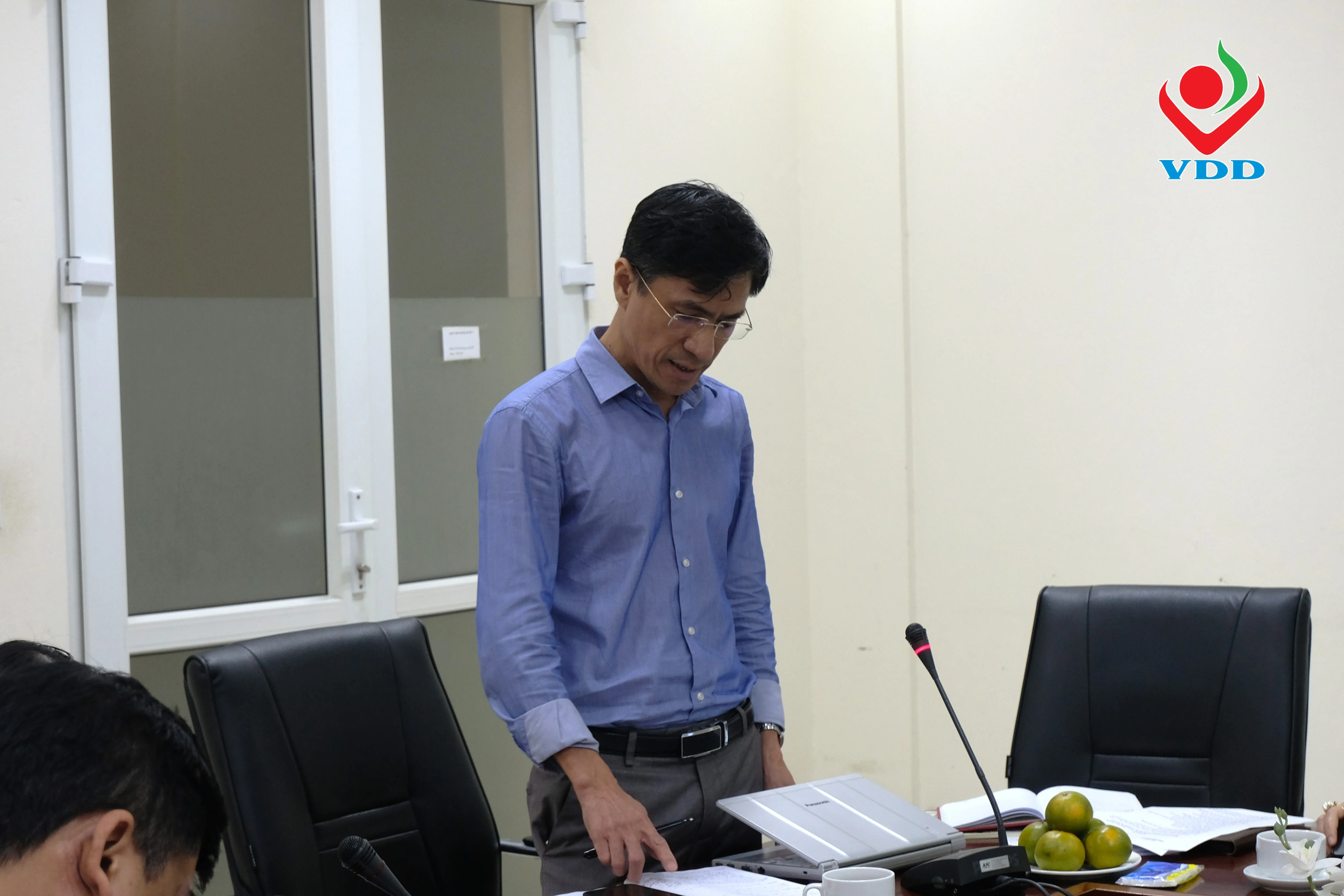
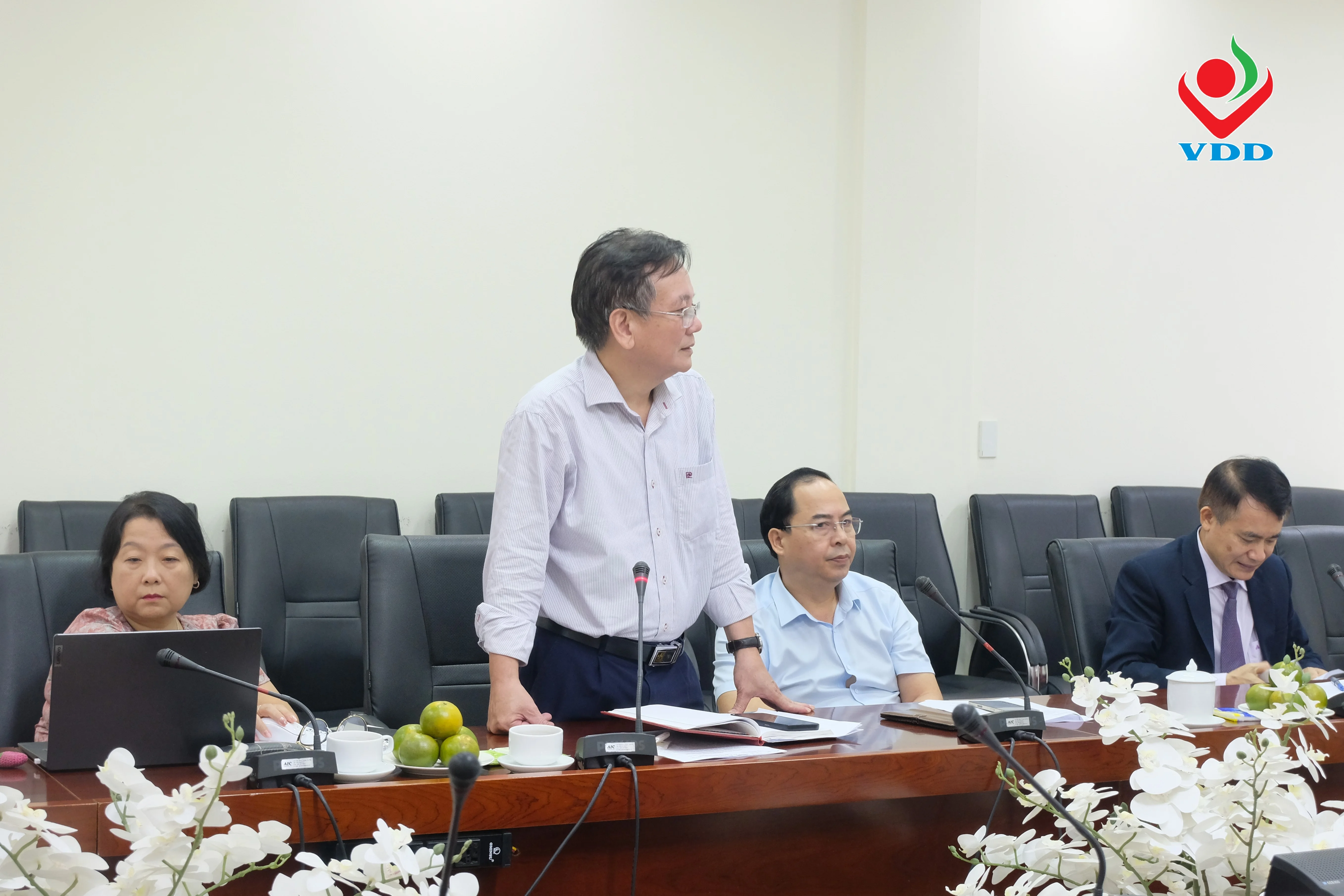
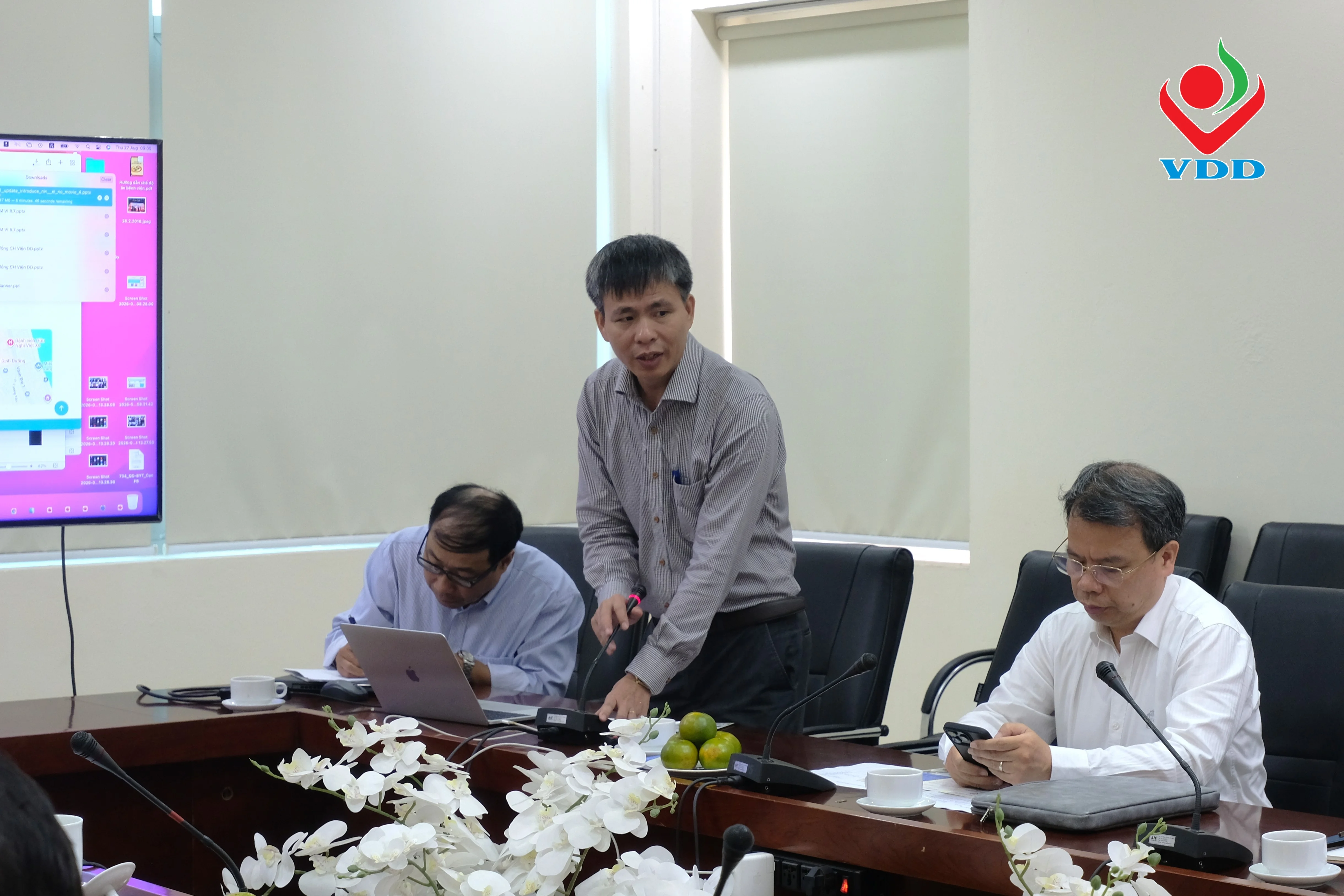
On behalf of the Vietnam University of Traditional Medicine, Assoc. PhD. Nguyen Quoc Huy outlined the University’s needs and proposed areas of cooperation between the two institutions. The University expressed its desire to strengthen the participation of experts from the National Institute of Nutrition in teaching, practical instruction, human resource development and scientific research, while drawing on the professional strengths of both institutions to improve healthcare and community health.
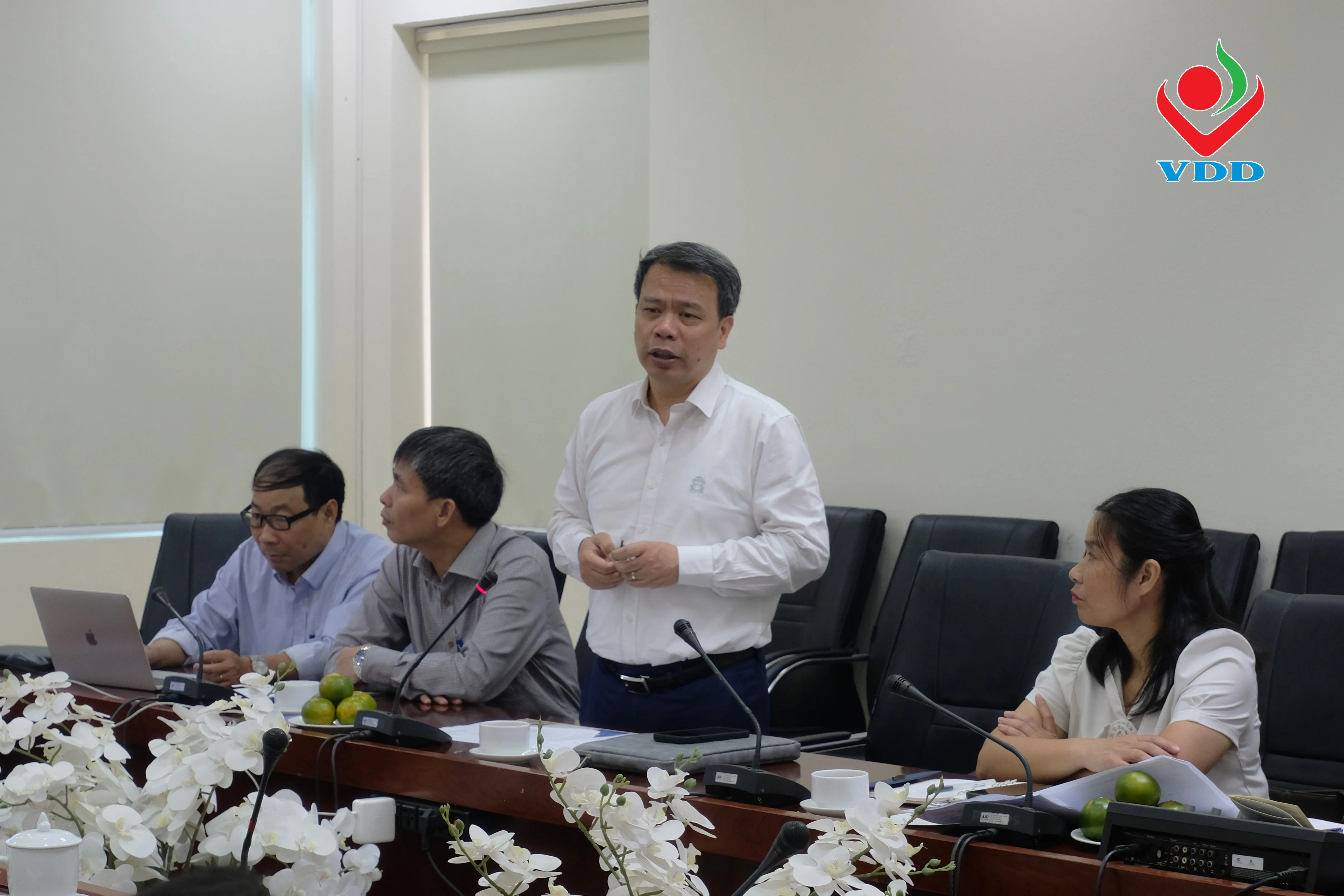
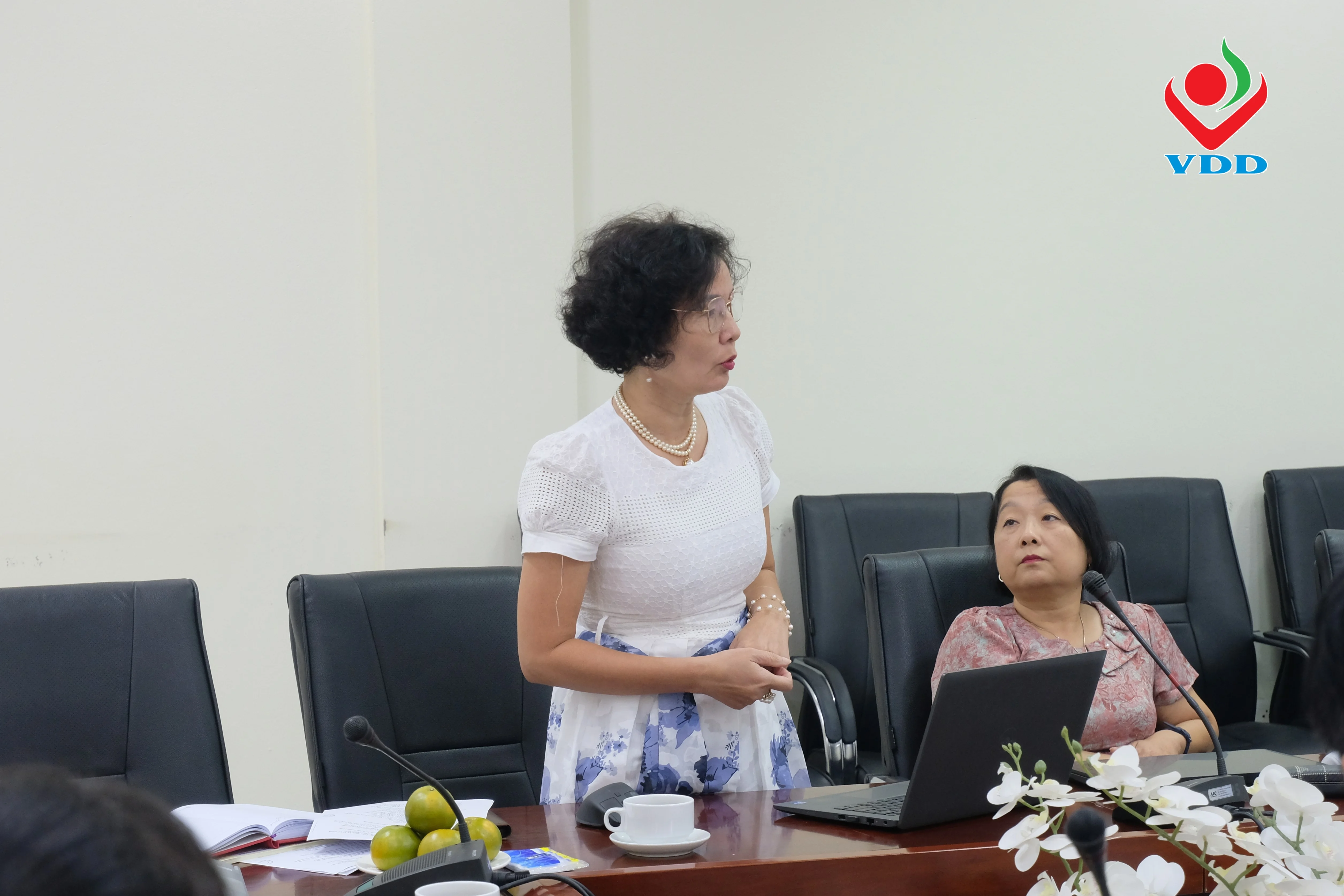
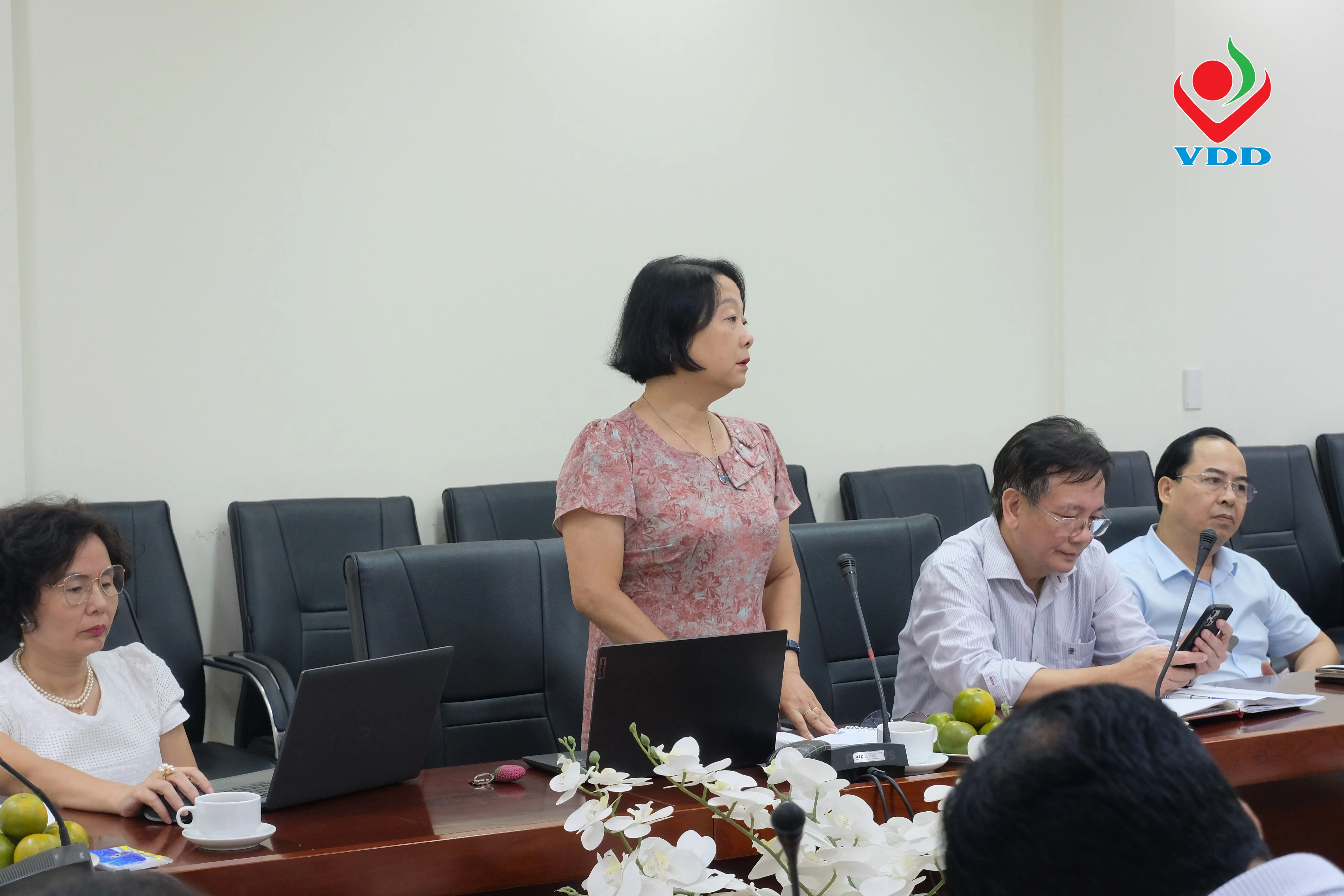
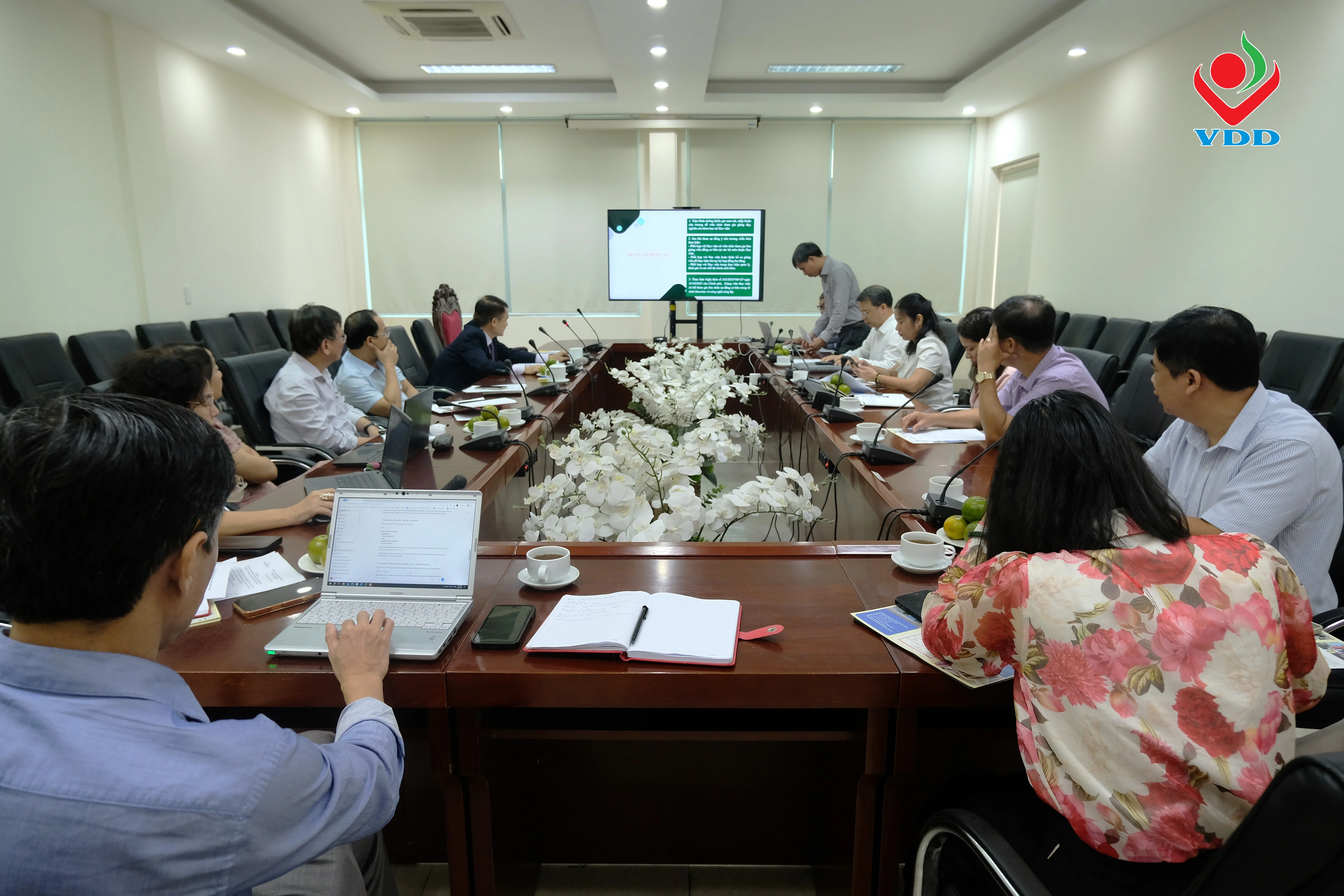
During the session, representatives of the two institutions shared information on their respective functions, responsibilities and areas of professional expertise. They also discussed prospective cooperation in training, scientific research and comprehensive healthcare.
A key topic was the possibility of inviting staff members and experts from the National Institute of Nutrition to serve as dual-affiliated lecturers at the University in accordance with current regulations. The participants discussed relevant professional standards, documentation requirements, coordination mechanisms, faculty management and performance evaluation. The involvement of the Institute’s experts is expected to enhance training quality and provide learners with access to up-to-date knowledge and practical experience in nutrition, food and healthcare.
The two institutions also explored cooperation in organising practical training and internships, as well as supervising undergraduate students, master’s students and doctoral candidates through professional activities conducted at the National Institute of Nutrition. These opportunities would enable learners to consolidate their knowledge, strengthen their practical skills and gain greater exposure to scientific research methods.
In science and technology, the two sides proposed jointly developing and implementing research projects at different levels, increasing scientific publications, and promoting the application and transfer of research findings. Combining the Institute’s expertise in nutrition with the University’s experience in traditional medicine and pharmacy education, research and practice is expected to open up interdisciplinary research directions with both scientific and practical value.
Another important area of discussion was the development of a comprehensive healthcare model integrating nutrition, physical activity, traditional wellness exercises and medical treatment. The two institutions also considered jointly organising conferences, seminars and specialised training programmes to update professional knowledge, share practical experience and promote the application of research findings.
In his concluding remarks, Assoc. PhD. Tran Thanh Duong welcomed the proposals put forward by the Vietnam University of Traditional Medicine and endorsed the proposed directions for cooperation. The two institutions agreed to appoint relevant professional focal points to further discuss and specify the areas of cooperation and develop an appropriate implementation roadmap. Future collaboration will focus on training and developing dual-affiliated faculty members; providing practical training opportunities for students; conducting joint scientific research; developing a comprehensive healthcare model integrating nutrition, physical activity, traditional wellness exercises and treatment; and organising specialised seminars to enhance training quality and community healthcare.
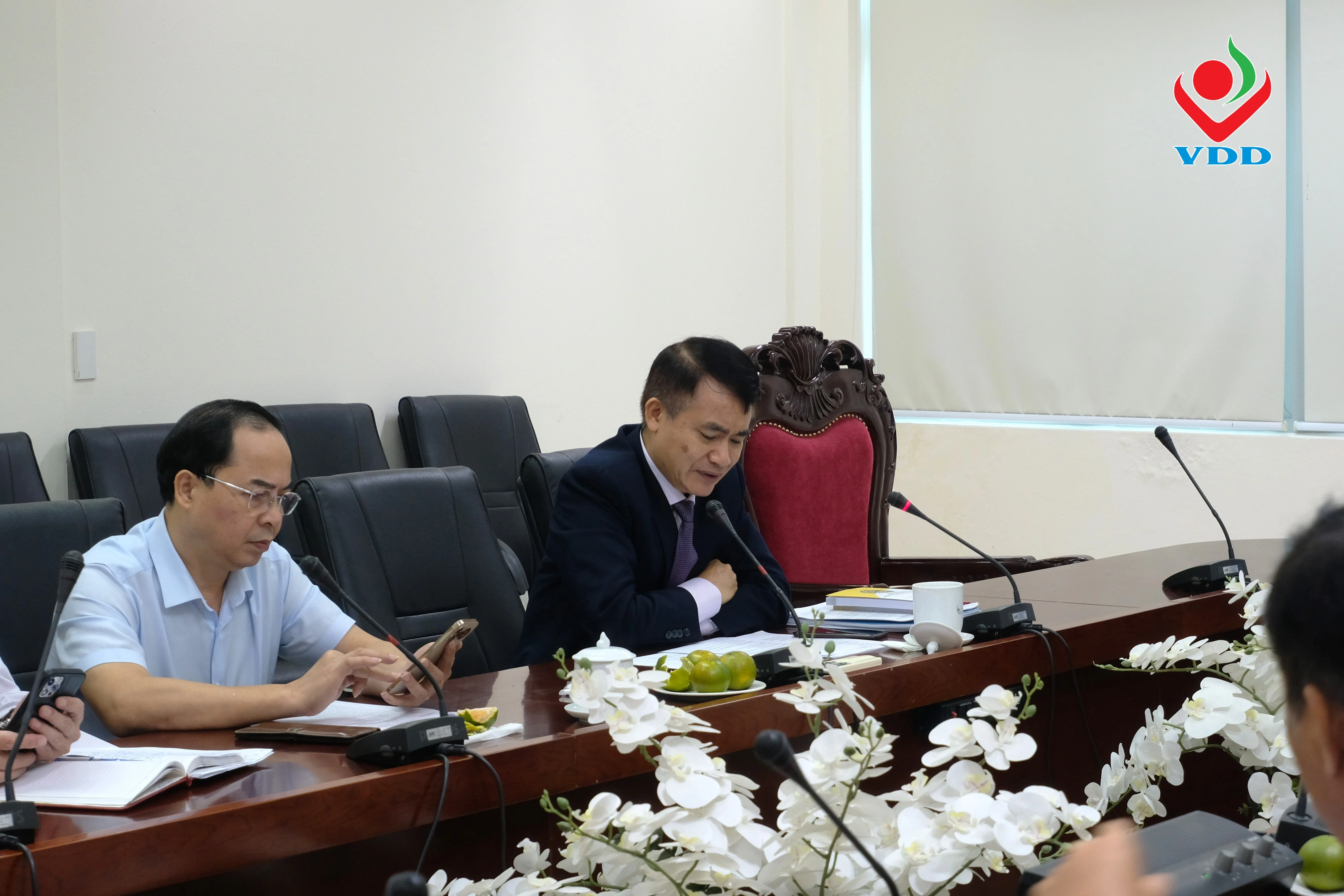
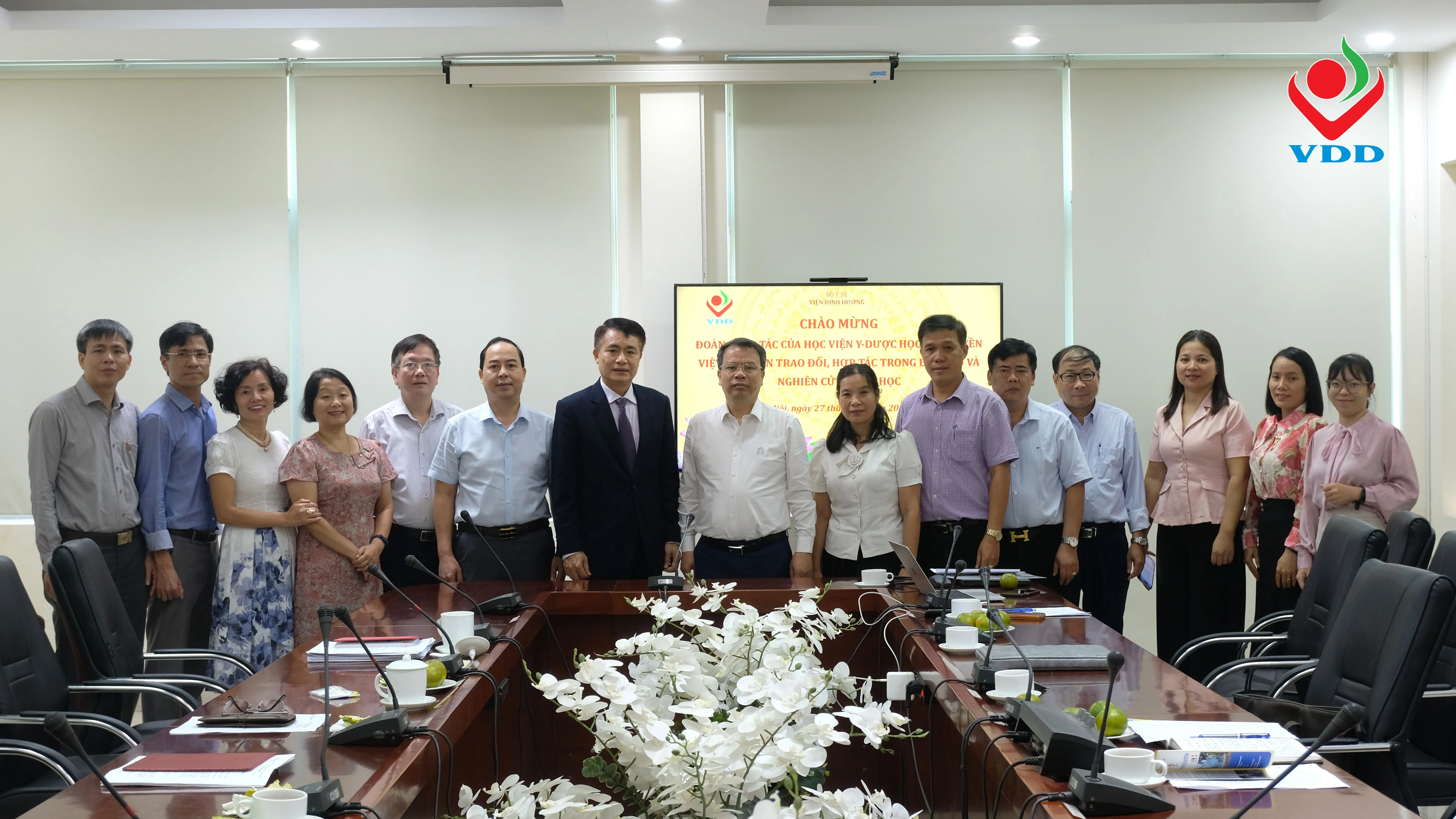
The working session concluded in an open and collaborative atmosphere, reflecting the strong consensus between the two institutions. On this occasion, their leaders exchanged commemorative gifts and joined the participating delegates for group photographs.