

CỔNG THÔNG TIN DINH DƯỠNG QUỐC GIA
VIETNAM NUTRITIONAL PORTAL
VIETNAM NUTRITIONAL PORTAL
Food allergy is a major concern when infants begin complementary feeding, particularly when unfamiliar foods first come into contact with their developing immune systems while the intestinal protective barrier is still immature.
Food allergies are currently quite common among children. An estimated 10% of children in Western countries have food allergies, while 2–3% of infants under one year of age have cow's milk protein allergy.
A food allergy is an abnormal immune response to one or more components of food, usually proteins, that are normally harmless to most people. When a child is allergic to a particular food, the immune system mistakenly identifies proteins in that food as "invaders" and produces specific immunoglobulin E (IgE) antibodies.
Upon subsequent exposure, when the child consumes the same food again, these antibodies recognize the allergen and trigger a cascade of immune reactions, releasing various chemical mediators such as histamine. This can cause symptoms affecting the skin, digestive system, respiratory system and cardiovascular system, ranging from mild reactions to life-threatening anaphylactic shock.
Food allergy is a major concern when infants begin complementary feeding, particularly when unfamiliar foods first come into contact with their developing immune systems while the intestinal protective barrier is still immature. This increases the risk of food allergies, especially among children with an allergic predisposition or a family history of allergic conditions such as bronchial asthma, allergic rhinitis or atopic dermatitis.
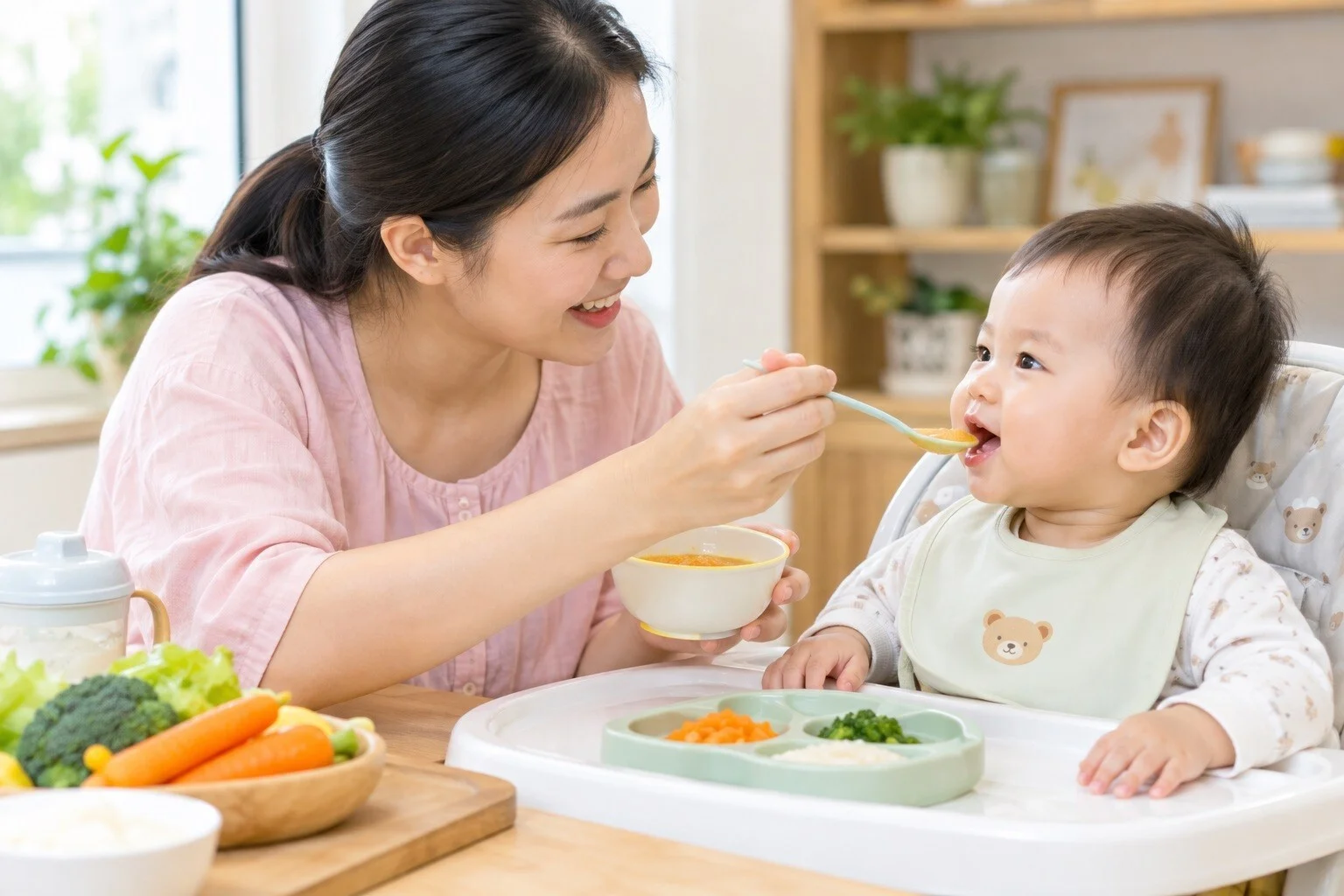
Food allergies can lead to significant illness and psychosocial burdens, including the risk of nutritional deficiencies and life-threatening anaphylaxis, as well as substantial costs for healthcare systems and families with children affected by food allergies. Therefore, preventing food allergies before they develop is an important part of child healthcare.
In previous decades, delaying the introduction of allergenic foods was considered a preventive strategy. However, scientific evidence has significantly shifted this perspective in recent years. Current guidelines from reputable health organizations indicate that introducing foods early and ensuring dietary diversity during complementary feeding can help reduce the risk of allergies when done correctly and safely.
To prevent food allergies when infants begin complementary feeding, several principles should be followed:
When to Start Complementary Feeding
Guidelines from the World Health Organization (WHO) and the European Academy of Allergy and Clinical Immunology (EAACI) recommend introducing foods at 4–6 months of age. In Vietnam, the recommended age is six months, according to the Guidelines on Complementary Feeding for Children Aged 6–23 Months, issued under Decision No. 318/QD-BYT dated 30 January 2026, when infants show signs of developmental readiness in terms of motor skills and digestion.
Delaying the introduction of allergenic foods such as eggs, peanuts and cow's milk does not reduce the risk of allergies. On the contrary, introducing these foods early during the complementary feeding period may help the immune system develop tolerance and reduce the risk of allergies later in life.
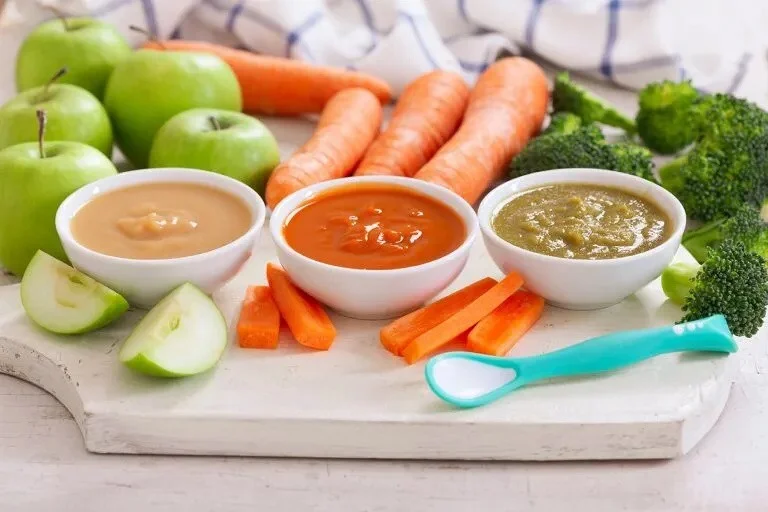
Principles for Introducing New Foods
It is important to note that all the information below is intended as general guidance only. For babies at high risk of food allergies, including those with severe eczema, a history of food allergies or complex medical conditions, parents should consult a pediatrician or allergist directly before following these recommendations.
When introducing complementary foods, particularly those more likely to cause allergic reactions (peanuts, eggs, wheat, seafood, soybeans, etc.), several principles should be followed:
- Introduce one new food at a time: Start with a very small amount (1–2 teaspoons) and gradually increase the quantity if no reaction occurs. Wait approximately 2–3 days before introducing another new food to make it easier to identify which food may have caused an allergic reaction.
- Choose daytime hours: Introduce new foods in the morning or early afternoon, when family members have time to observe the baby for at least several hours after eating. Avoid introducing a new food for the first time in the evening, in case the baby develops a reaction that is difficult to detect or makes it harder to reach a hospital.
Do not introduce several new foods in the same meal, as it will be very difficult to identify which food caused an allergic reaction.
| "Introduce early, offer regularly" – A new principle in allergy prevention. Large-scale studies have demonstrated that the early introduction and regular consumption of certain allergenic foods, particularly peanuts, among high-risk infants can reduce the risk of developing peanut allergy later in life by as much as 70–80%. |
- Offer babies a diverse range of foods: A more varied complementary diet allows the infant's immune system to encounter a wider range of food antigens, thereby increasing tolerance and reducing the risk of food allergies in the future. A population-based study found that infants exposed to a greater variety of foods at around nine months of age had a significantly lower risk of developing allergies than those who consumed a more limited range of foods.
- For infants at very high risk (severe eczema, an existing egg allergy or a history of anaphylaxis, etc.), many guidelines recommend consulting a pediatrician or allergist before introducing peanuts for the first time. Skin prick testing or specific IgE testing may be required beforehand, and the first exposure may need to take place at a healthcare facility equipped to provide emergency care.
The Role of Breast Milk
Exclusive breastfeeding during the first six months of life is encouraged because of its numerous benefits for the immune system and gut health, and it may also help reduce the risk of certain allergic conditions. There is no clear evidence that mothers need to completely avoid allergenic foods (such as peanuts, eggs and fish) during pregnancy or breastfeeding to prevent allergies in their children, unless the mothers themselves are allergic to those foods.
For infants who are not breastfed, if cow's milk allergy is suspected or confirmed, the selection of hydrolyzed infant formula or other specialized formulas must be made under medical guidance.
Monitoring and Managing Suspected Allergic ReactionsWhen introducing a potentially allergenic food to a baby for the first time, parents should:- Stay close to the baby and monitor them carefully for at least the first two hours after eating.- If the baby develops redness around the mouth, a few small hives, mild itching, slightly loose stools or minor vomiting, but remains alert and breathes normally:
|
Preventing food allergies is no longer about "avoidance" but about scientifically informed "exposure." By following the evidence-based principles outlined above, parents can help reduce their baby's risk of developing food allergies and establish a foundation for healthy nutrition from the earliest stages of life.