CỔNG THÔNG TIN DINH DƯỠNG QUỐC GIA
VIETNAM NUTRITIONAL PORTAL
VIETNAM NUTRITIONAL PORTAL
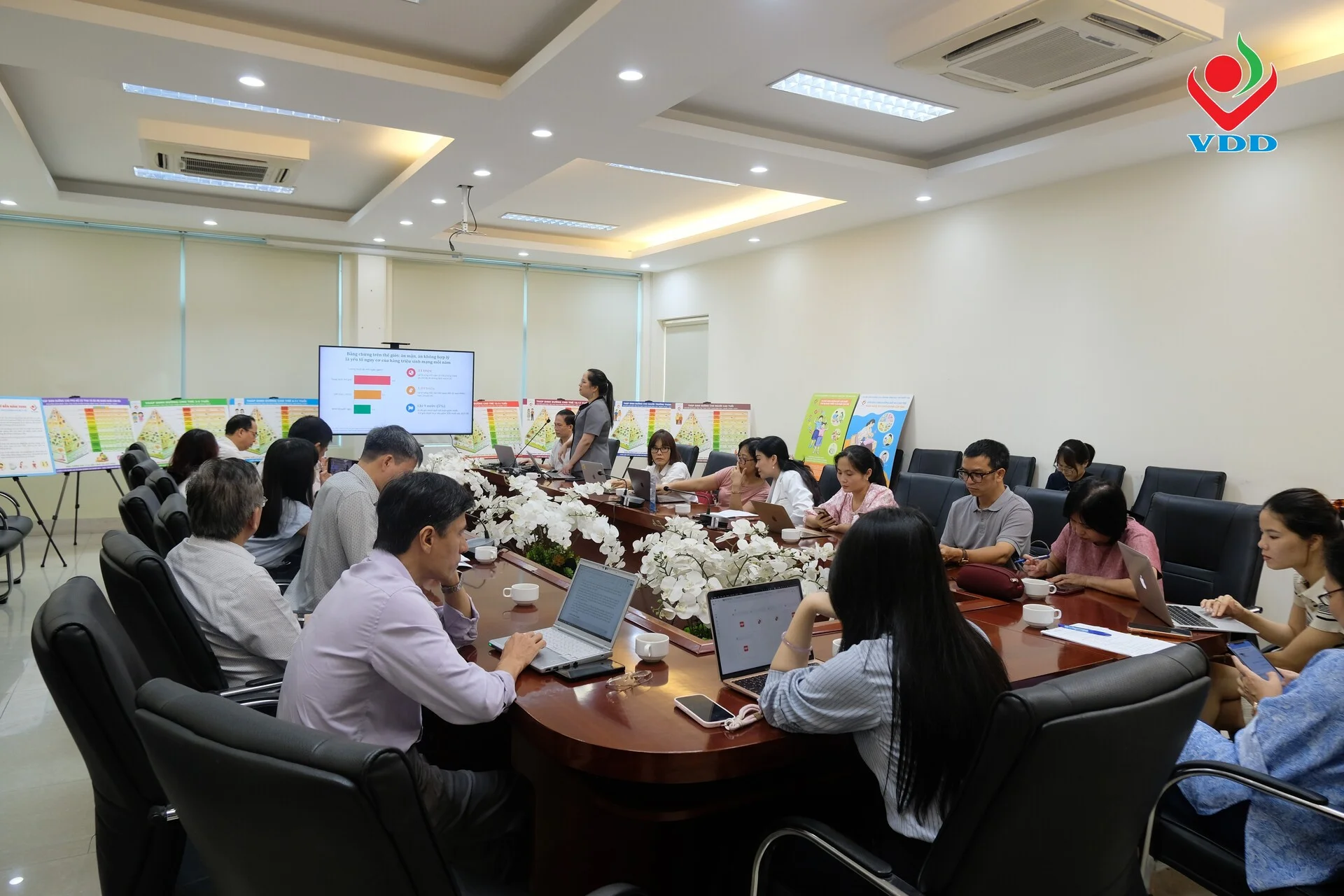
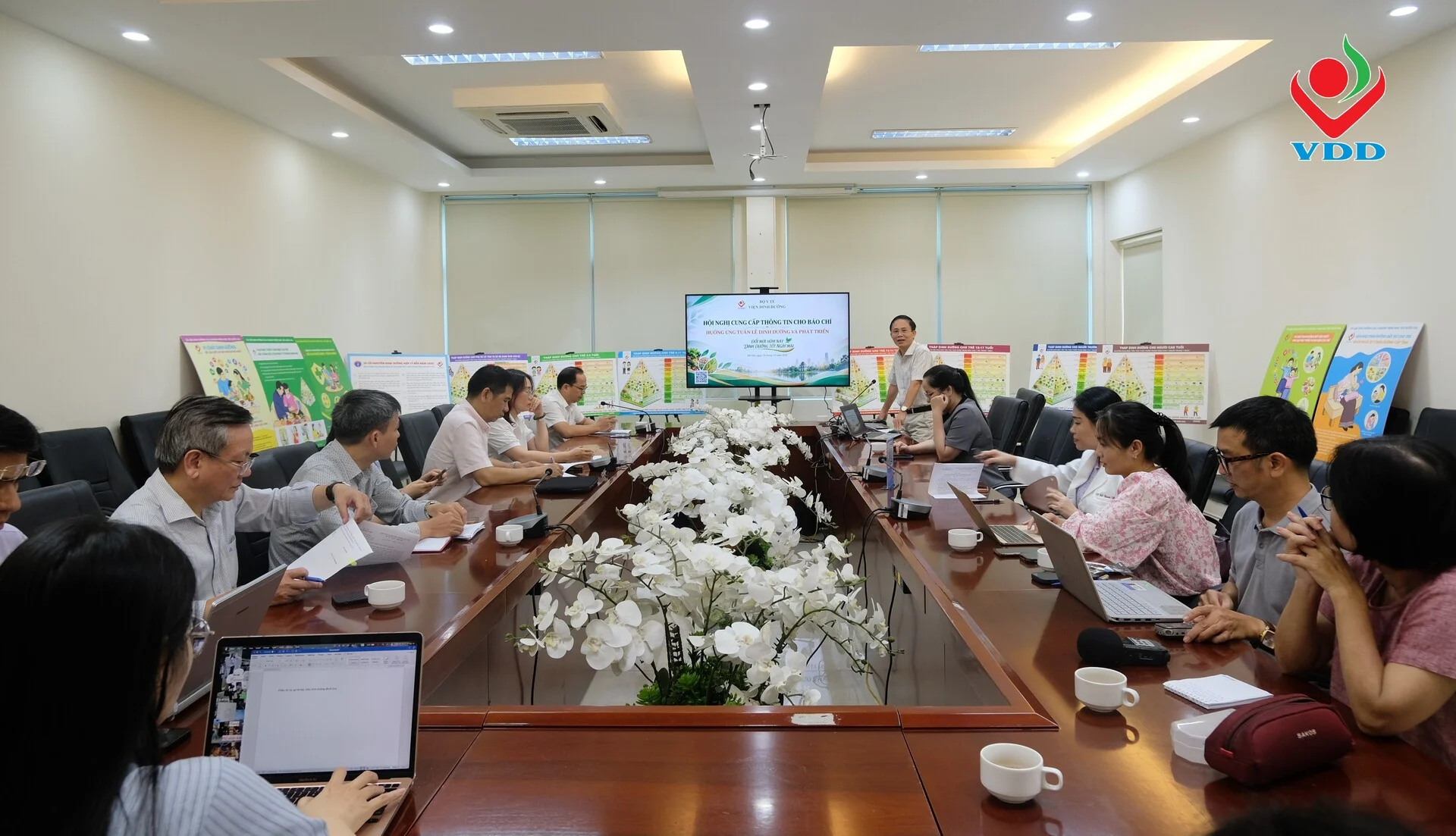
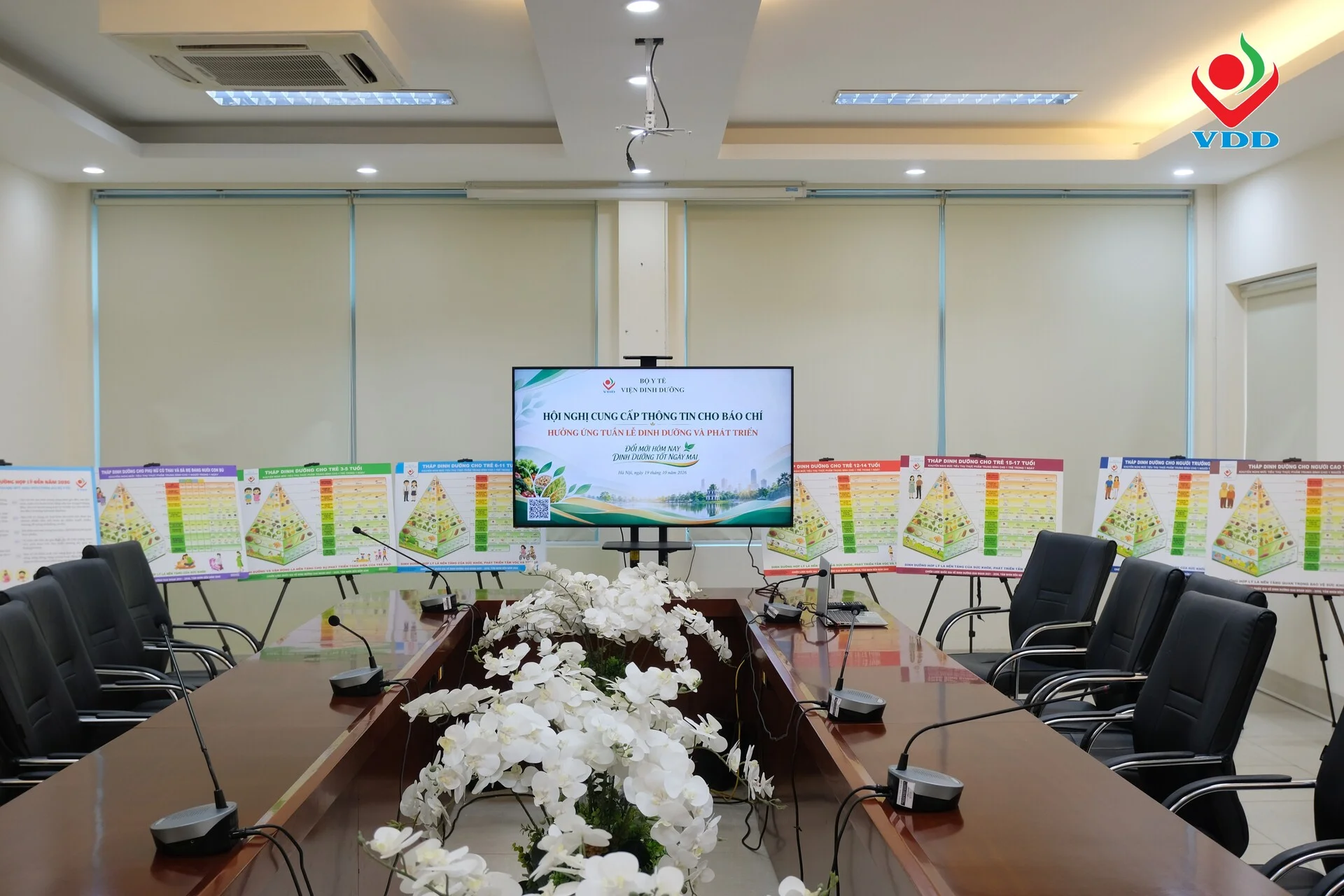
On October 19, 2026, in Hanoi, the National Institute of Nutrition (Ministry of Health) held a press briefing in response to the communication campaign for the 2026 “Nutrition and Development” Week. Organized in celebration of World Food Day (October 16) and the peak campaign week from October 16 to October 23, 2026, under the theme “Innovating Today – Better Nutrition Tomorrow,” the event aimed to provide updated scientific evidence and the latest policy solutions while encouraging society as a whole to build a sustainable food system and practice healthy diets.
Identifying the Dual Challenge and the Need for Innovation from the Family Dining Table
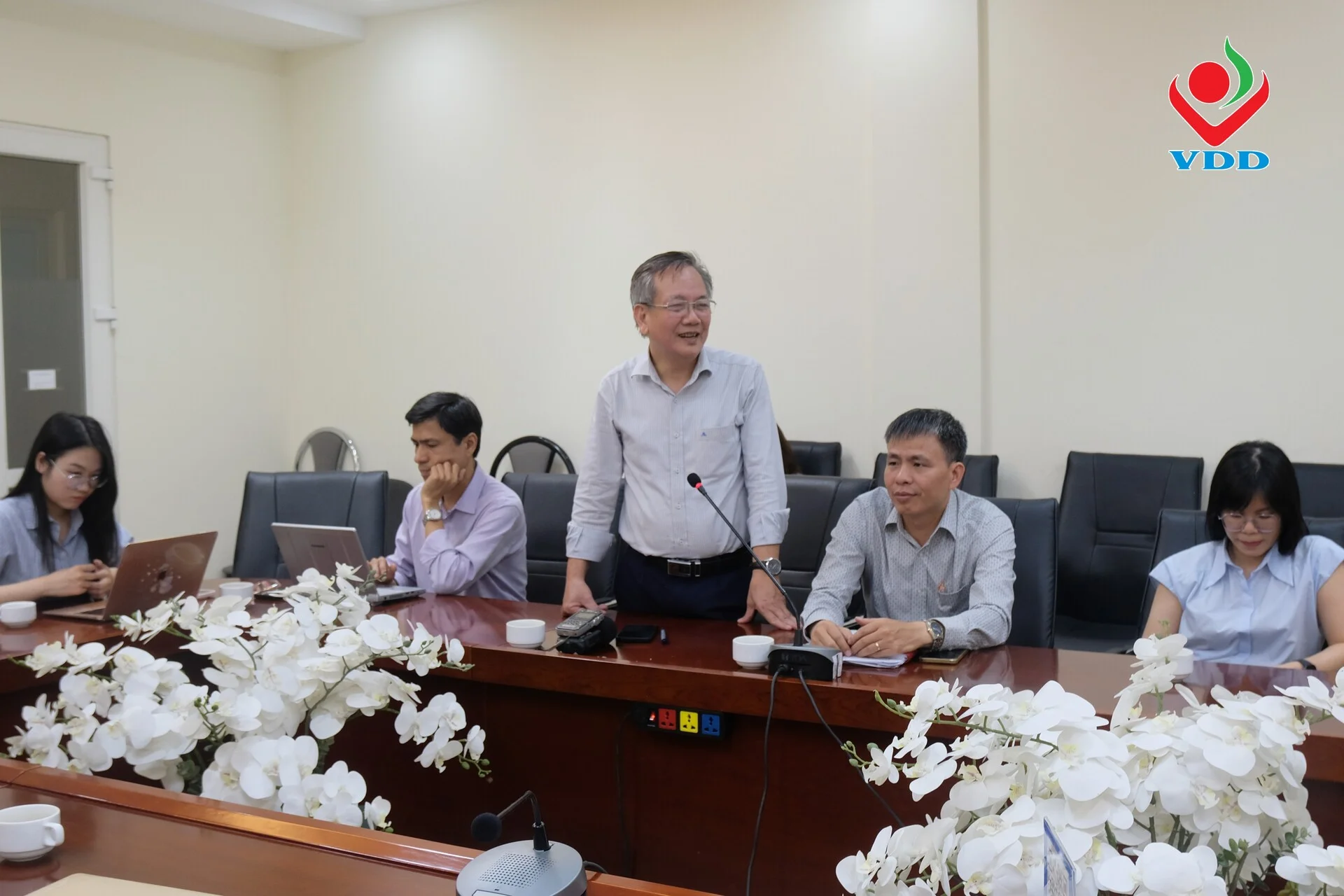
Delivering the opening and orientation remarks at the conference, Nguyen Hong Truong, PhD, Deputy Director of the National Institute of Nutrition (NIN), affirmed that nutrition care in Viet Nam is facing a pivotal transition as the country simultaneously addresses the “triple burden” of malnutrition. According to 2024 data from the NIN, the national prevalence of malnutrition among children under five remains at 14.8% for stunting, 8.3% for underweight, and 4.8% for wasting. Notably, significant regional disparities persist in stunting rates, which remain high in the Northern Midlands and Mountainous region at 20.3%, as well as the South Central Coast and Central Highlands at 20.0%. Concurrently, rising rates of overweight, obesity, and diet-related non-communicable diseases (NCDs) are placing considerable pressure on the healthcare system.
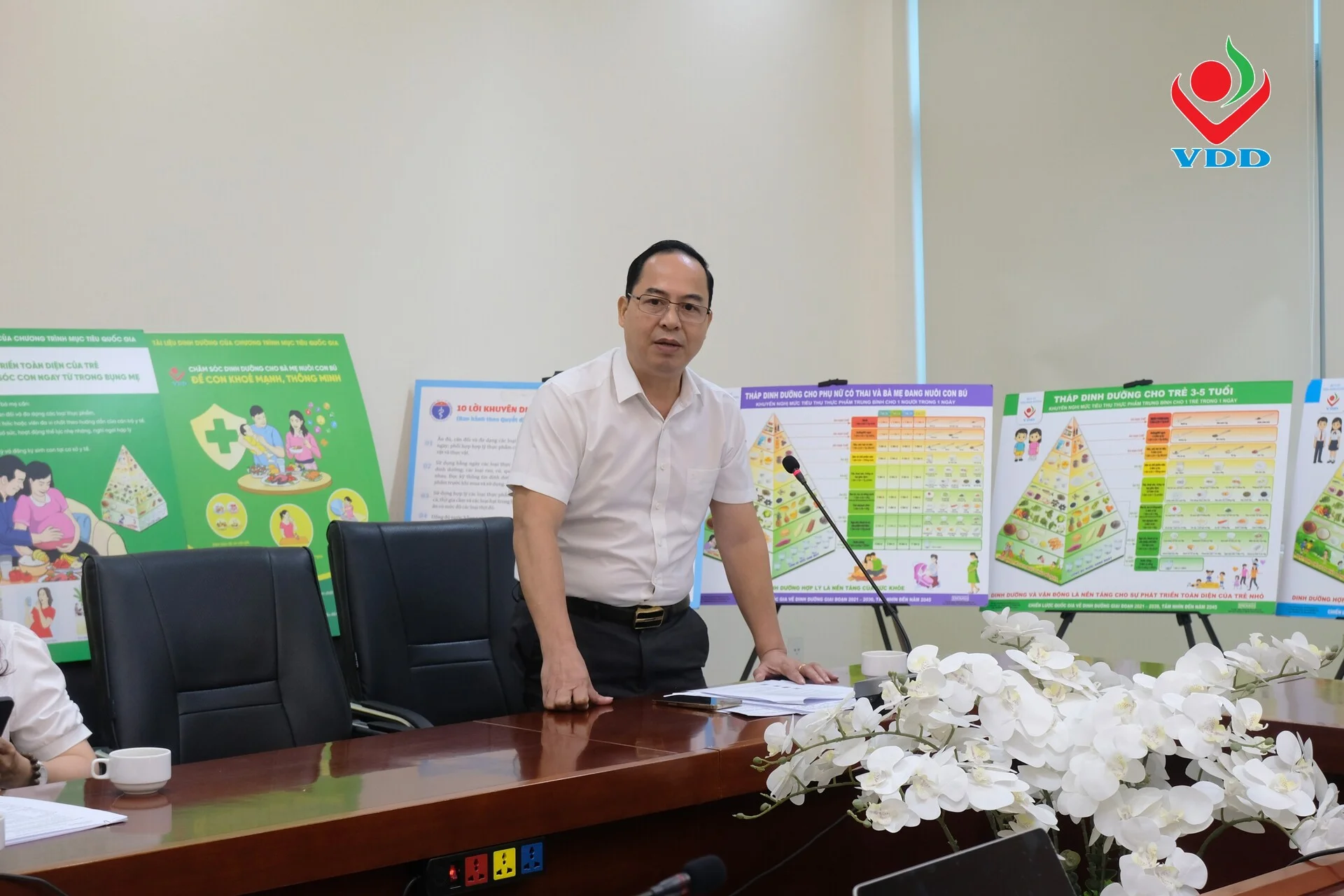
In light of this reality, Nguyen Hong Truong, PhD, emphasized that the central message of the 2026 campaign is “Transforming food systems toward sustainability and practicing healthy diets for the health of today and tomorrow.” Innovation must not be limited to production technologies or food products; rather, it must begin right at the organization of family meals, the transparency of nutritional information on food packaging, and the application of official digital tools so that every citizen can easily access, choose, and maintain a healthy daily diet.
Nutritional Information Transparency: A Shield Against Non-Communicable Diseases
Delving into policy solutions that empower consumers to take control of their diets, Hoang Thi Duc Ngan, PhD, from the Department of Community Nutrition, presented a report on nutrition labeling from the perspective of international evidence and the implementation roadmap in Viet Nam. National survey findings indicate that the disease burden linked to unhealthy diets has reached an alarming level, with NCDs accounting for 78% to 81% of all deaths in Viet Nam. One in four adults aged 18 to 69 suffers from hypertension (26.2%), and nearly one-fifth of the adult population is overweight or obese (19.5%). Among children and adolescents aged 5 to 19, the prevalence of overweight and obesity more than doubled (increasing 2.2 times) between 2010 and 2020, rising from 8.5% to 19%. Remarkably, Vietnamese people consume an average of 8.1 grams of salt per day—nearly double the World Health Organization (WHO) recommendation of less than 5 grams per day.
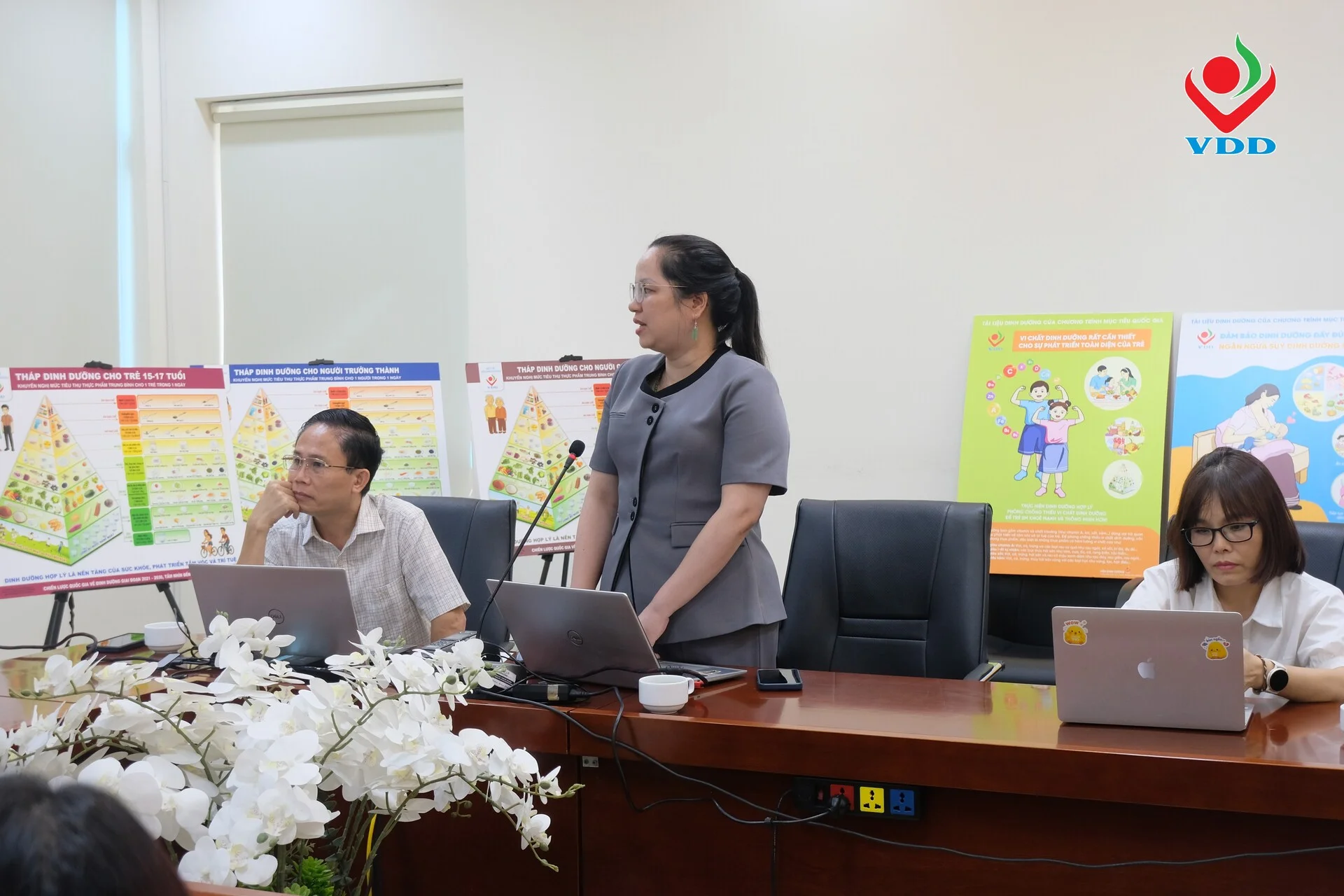
A meta-analysis of 60 global studies demonstrates that nutrition labeling not only helps consumers reduce energy and fat intake while increasing vegetable consumption, but also drives manufacturers to reformulate their products to lower sodium and trans-fat levels. In Viet Nam, a major regulatory milestone is Circular No. 30/2026/TT-BYT issued by the Ministry of Health, which officially took effect on July 10, 2026. The Circular mandates the declaration of five core nutritional components on pre-packaged foods: energy, protein, carbohydrate, fat, and sodium. Furthermore, it requires the additional declaration of total sugars for soft drinks, sweetened processed milk, and other sugar-added foods, as well as saturated fat for fried food products.
To help consumers apply these regulations effectively, Hoang Thi Duc Ngan, PhD, introduced a quick 30-second label-reading process through four steps: checking whether the nutritional values are calculated per 100 grams, per serving, or for the entire package; identifying nutrients of concern first and applying the quick conversion rule where salt equals sodium multiplied by 2.5; reviewing the percentage of Reference Intake column (exercising caution if a single product accounts for 20% or more of the daily recommended intake); and comparing similar products to select options with lower sodium, sugar, and saturated fat. She also recommended that the next step for Viet Nam is to research and develop easy-to-understand front-of-pack nutrition labeling (FOPL), accompanied by public communication and strict compliance monitoring.
Bringing Scientific Recommendations and Digital Technology into Community Practice
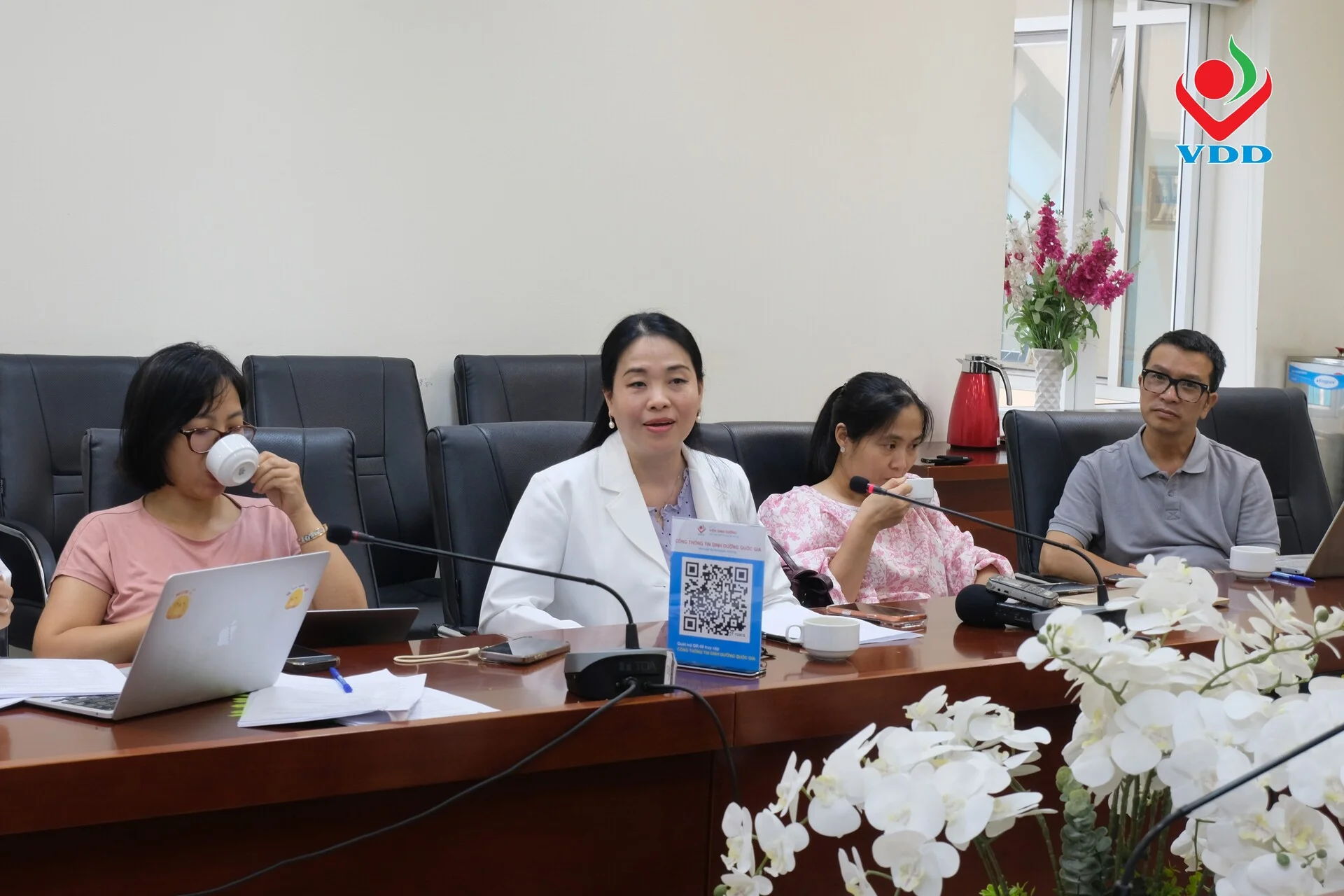
To translate strategic orientations into practical actions, Trinh Hong Son, MSc, Director of the Nutrition Communication and Education Center, highlighted seven community health actions—ranging from innovating food production to adapt to climate change and choosing seasonal fresh foods, to ensuring proper nutrition during the first 1,000 days of life and maintaining at least 60 minutes of physical activity daily. Improving meal quality does not mean purchasing expensive foods; instead, it lies in dietary diversity, balance, and the flexible substitution of foods within the same tier of the food pyramid. Additionally, reducing food loss and waste must be practiced synchronously from purchasing just enough to storing food properly in the refrigerator, without ever compromising food safety or consuming spoiled food for the sake of saving. Close coordination among families, schools, and communities, alongside sharing grocery shopping and cooking responsibilities among family members, was also underscored to protect vulnerable groups.
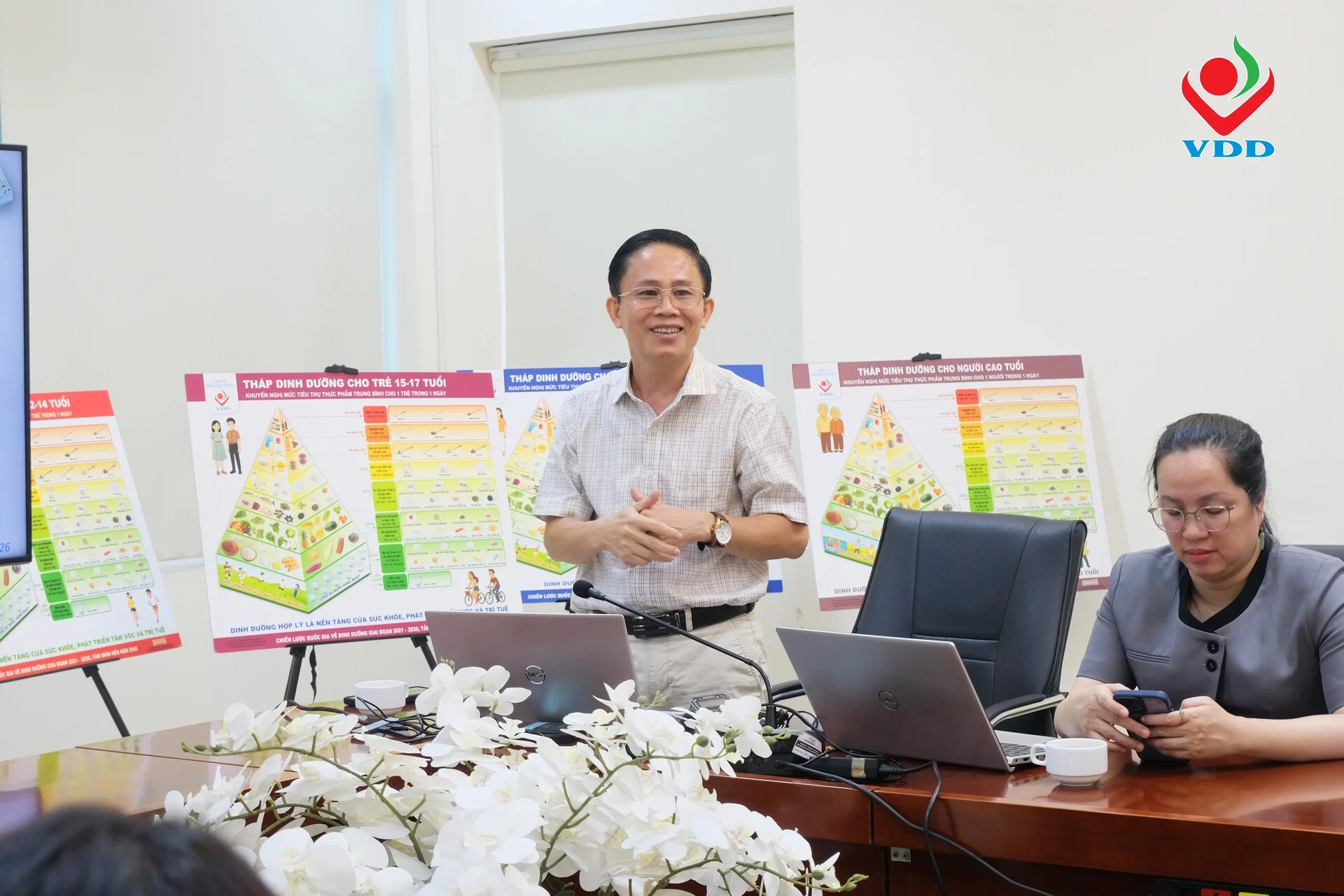
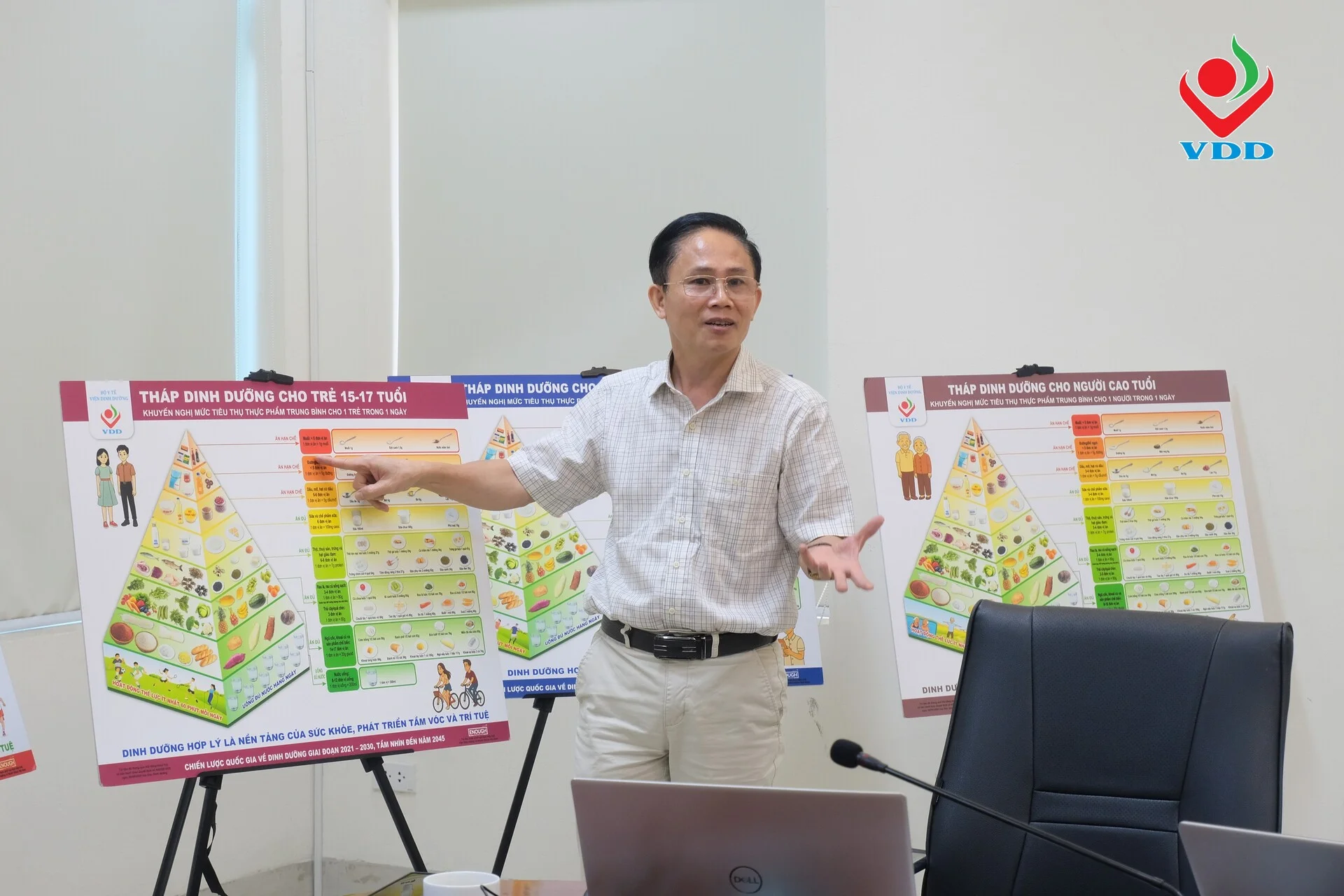
Accompanying the public in this campaign are visual, standardized professional tools, including the “Ten Recommendations for Healthy Eating toward 2030” and the set of “07 Balanced Nutrition Pyramids for Different Age Groups.” Notably, the NIN is actively promoting the smart mobile application “Vietnamese Nutrition” (VNeNUTRITION) and the Institute’s official portal (viendinhduong.vn), enabling citizens to access authoritative data and remain vigilant against misinformation and exaggerated food advertisements on social media.
The Companionship of the Press in the Mission to Improve Public Health
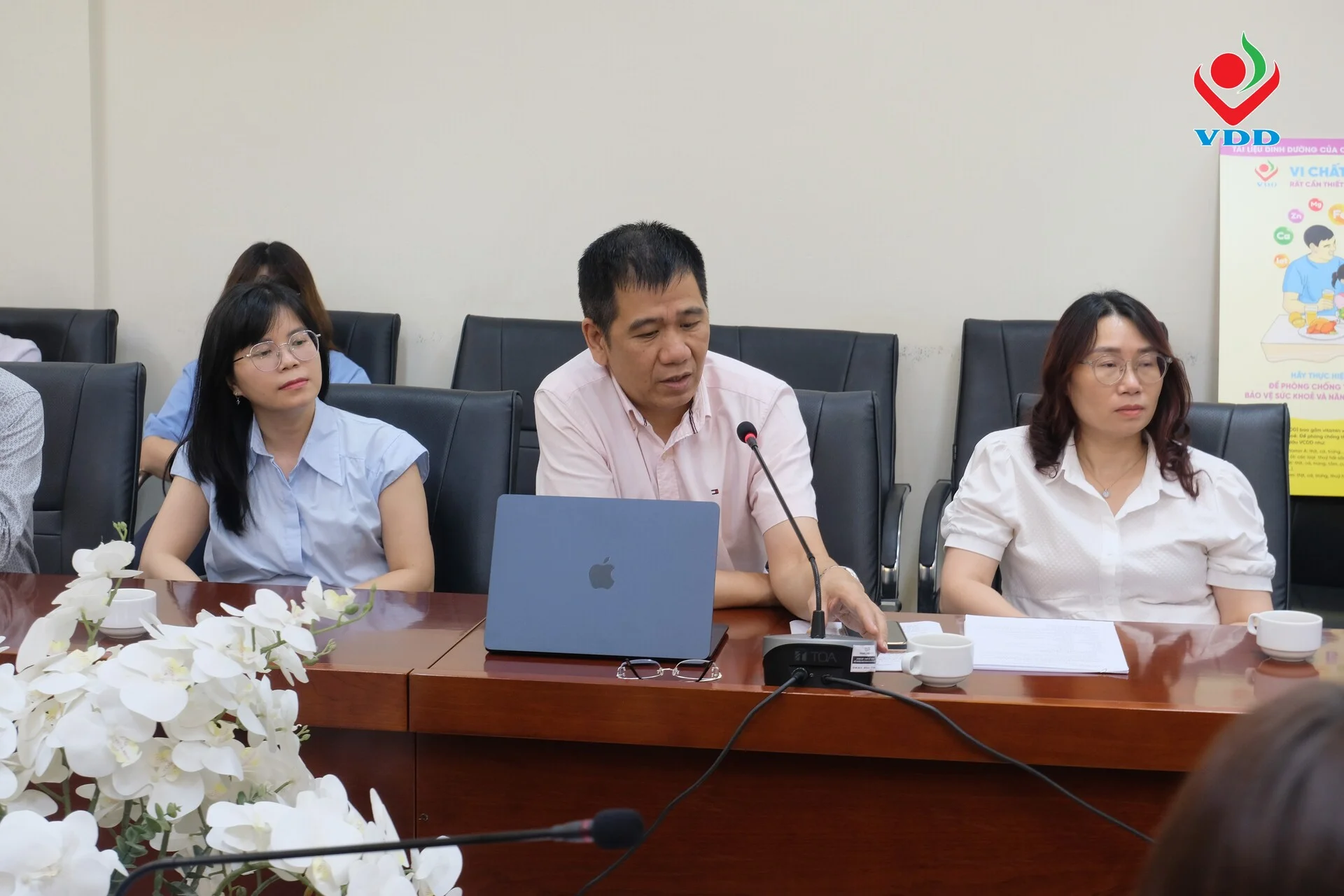
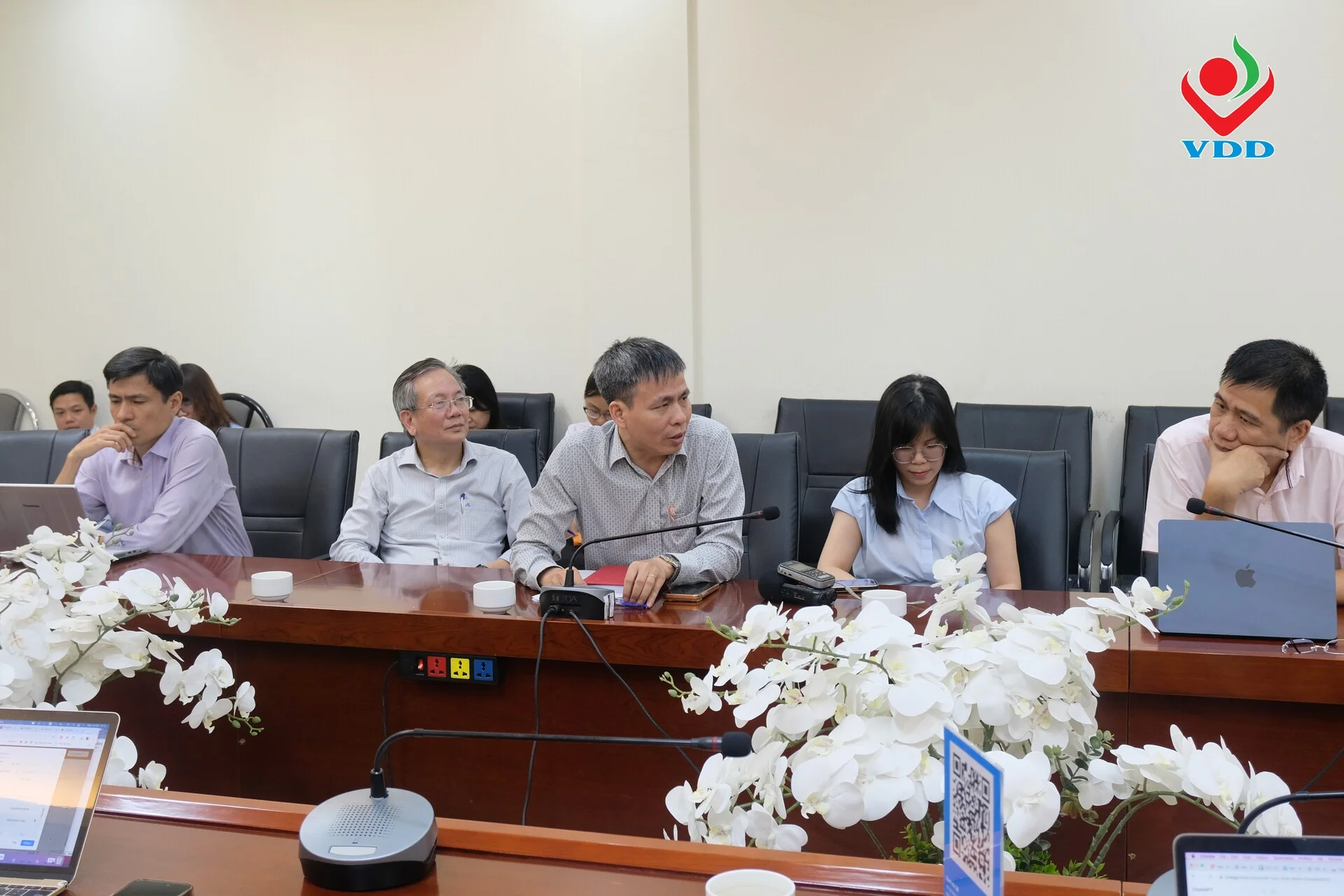
During the discussion and Q&A session, representatives from central and local news agencies engaged in vibrant exchanges with experts on guiding families to apply the Nutrition Pyramids to budget-friendly meals, filtering out fake nutrition news online, coordinating school meal management, and monitoring enterprises' compliance with nutrition labeling regulations.
In his closing remarks, Nguyen Hong Truong, PhD, expressed his sincere gratitude for the steadfast companionship of journalists. The strong dissemination by media agencies during the 2026 “Nutrition and Development” Week will serve as a catalyst for every individual and family to start making the right choices from today’s meals, contributing to enhancing the stature, intellect, and health of the Vietnamese people in the future.
Highlights from the Conference: