

CỔNG THÔNG TIN DINH DƯỠNG QUỐC GIA
VIETNAM NUTRITIONAL PORTAL
VIETNAM NUTRITIONAL PORTAL
Postpartum hair loss is a common condition that typically begins 2–4 months after childbirth and resolves on its own within a few months. It results from a sudden decline in hormone levels after delivery, which disrupts the natural hair growth cycle. To minimize prolonged hair loss and support the growth of thicker, healthier new hair, mothers need a balanced, nutritious and scientifically sound diet rather than following restrictive diets or relying on dietary supplements.
What Causes Postpartum Hair Loss?
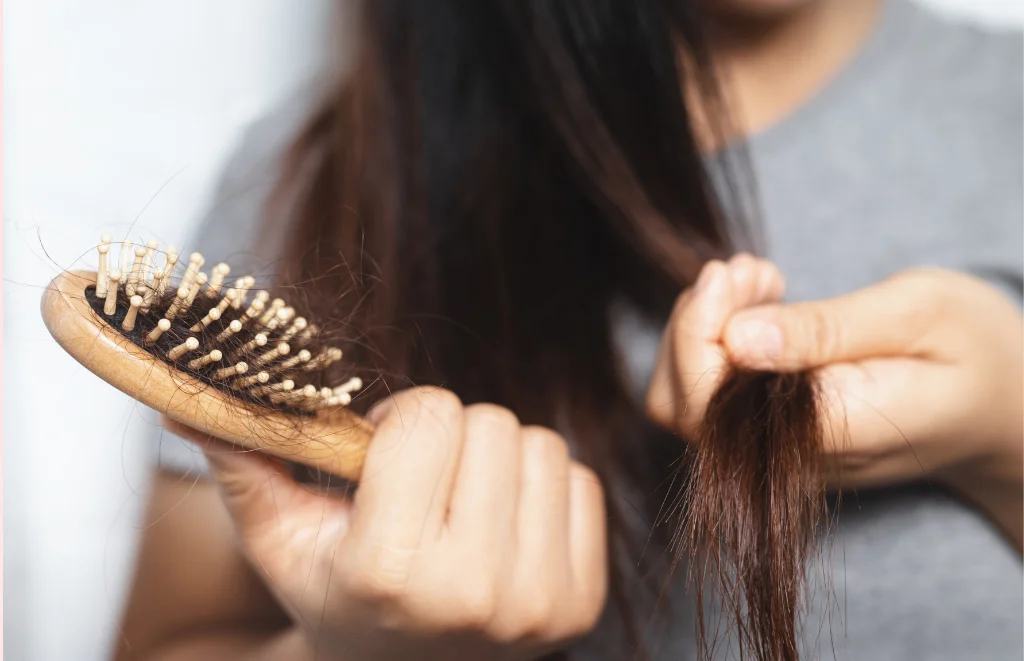
Like skin and nails, hair requires energy, efficient metabolism and nutrients such as protein, iron, magnesium, zinc and B vitamins. Hair growth follows three main phases, including growth (lasting 2–6 years) and rest (lasting 2–3 months), with most hair remaining in the growth phase. Normally, an average of 50–100 old hairs are shed each day, while new hairs gradually grow in their place, keeping overall hair density relatively unchanged.
During pregnancy, elevated estrogen and progesterone levels keep hair follicles in the growth phase for longer, often making a mother's hair appear thicker and fuller. However, after childbirth, levels of these hormones decline, causing large numbers of hairs to enter the resting phase simultaneously before shedding several months later. Hair loss is usually most noticeable during the third and fourth months postpartum, and hair gradually returns to its normal thickness by the time the baby is around one year old.
Because hair shedding is particularly pronounced during the first six months after delivery, breastfeeding is often mistakenly believed to cause hair loss. In fact, milk production and secretion, which involve the hormones prolactin and oxytocin, do not play a role in the hair growth cycle and are not responsible for damaging hair follicles.
Nutrition Lays the Foundation for Hair Recovery
After childbirth, mothers face multiple physical demands simultaneously: their bodies must recover from delivery, replenish lost blood, heal wounds and maintain an adequate milk supply, often while experiencing prolonged sleep deprivation. Nutrition cannot immediately stop physiological hair shedding, but it plays an essential role in providing the nutrients needed to regenerate and maintain healthy hair follicles. According to the recommendations of the National Institute of Nutrition, breastfeeding mothers require approximately 500 kcal more energy per day than before pregnancy. Skipping meals or following restrictive diets to regain their pre-pregnancy figure quickly can leave the body without sufficient energy for basic metabolic functions, physical recovery, milk production and other processes, including hair regeneration.
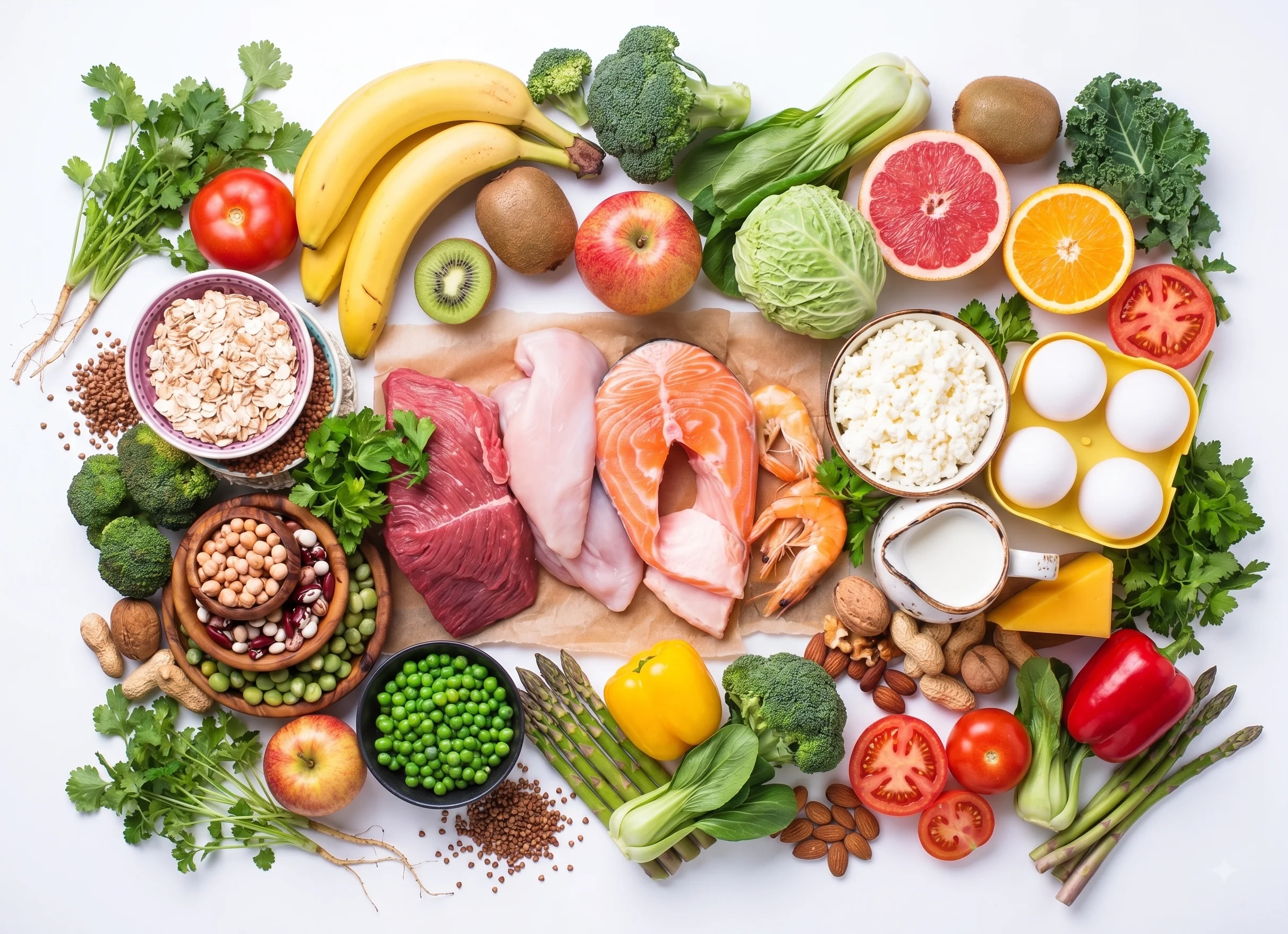
To produce new hair, hair follicles need an adequate supply of amino acids, particularly cysteine and methionine, which are involved in keratin formation and contribute to hair strength. Mothers can include protein-rich foods such as eggs, meat, fish, milk, soybeans and other legumes in their diets to provide the building blocks needed for hair regeneration. In addition to amino acid deficiencies, iron deficiency can also cause more severe or prolonged hair loss. This is particularly important for mothers who experienced significant blood loss during childbirth, as their iron stores may be depleted. Mothers can obtain iron from red meat, seafood and eggs, while consuming vitamin C-rich foods such as oranges, guava, grapefruit and bell peppers to support iron absorption. In addition, foods such as oysters, meat, eggs and nuts provide zinc, which is involved in cell division and protein synthesis within hair follicles.
How Should Dietary Supplements Be Used for Postpartum Hair Loss?
The desire to restore their hair quickly leads many mothers to turn to products advertised as beneficial for hair, skin and nails, such as biotin, collagen and multivitamin supplements. However, these products cannot reverse hormonal changes or replace the nutrients obtained from a natural diet. More concerningly, combining hair supplements with postnatal vitamins can easily lead to excessive micronutrient intake. Excessive supplementation of certain nutrients can cause various toxic effects, while excessive intake of specific nutrients, including vitamin A, vitamin E and selenium, can actually contribute to hair loss. Current medical evidence remains insufficient to recommend the daily use of these supplements to manage physiological postpartum hair loss.
Therefore, rather than viewing dietary supplements as a quick solution, mothers should maintain a balanced diet that includes all essential nutrient groups and increase their consumption of foods rich in iron, zinc and collagen, as well as vegetables and fruits. Oral micronutrient supplementation should only be undertaken when prescribed by a doctor.
When Should Mothers Seek Medical Attention?
Physiological postpartum hair loss typically causes relatively uniform thinning across the scalp, without redness, pain or flaking. Hair shedding gradually decreases as the hair growth cycle returns to normal, usually within 6–12 months. However, mothers should seek medical attention if they experience patchy hair loss, a progressively widening hair part, scalp redness, pain, itching or flaking, or if excessive hair shedding persists for more than a year.
Postpartum hair loss is a common and temporary condition that occurs as a mother's body recovers from childbirth. What the body needs is not a rapid hair-growth solution, but time for the hair growth cycle to recover, adequate nutrition and appropriate rest. When family members share childcare responsibilities and provide support with daily activities, mothers have more opportunities to care for themselves, restore their health and continue their breastfeeding journey sustainably.
References