

CỔNG THÔNG TIN DINH DƯỠNG QUỐC GIA
VIETNAM NUTRITIONAL PORTAL
VIETNAM NUTRITIONAL PORTAL
Vegetarian diets are becoming increasingly popular for various reasons, including religious beliefs, concerns about animal welfare and the environment, personal preferences and health choices. However, vegetarianism is not simply about removing meat and fish from meals. This is particularly important during pregnancy, when nutritional requirements increase to support maternal health and fetal development. The key is to ensure that the diet is varied, provides sufficient energy and supplies all essential nutrients.
What Is a Vegetarian Diet?
Vegetarian diets take several forms. Lacto-ovo vegetarians consume eggs, milk and dairy products but do not eat meat or fish. Vegans exclude all animal-derived foods, including meat, fish, eggs, milk and products made from them. Therefore, the risk of nutritional deficiencies may vary depending on the type of vegetarian diet, food choices and how meals are planned.
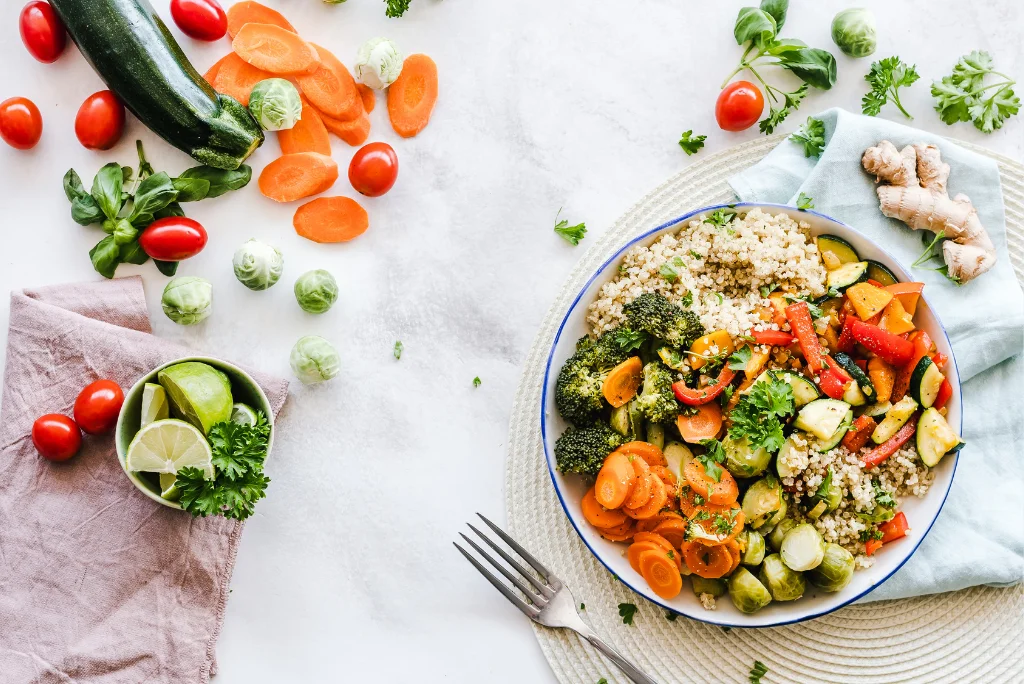
A diet rich in vegetables, fruits, legumes, whole grains, nuts and seeds can provide dietary fiber along with numerous vitamins and minerals. Conversely, if the diet mainly consists of white rice, noodles, cakes, sugary drinks or processed vegetarian foods but contains few protein sources, it may still be nutritionally unbalanced. Following a vegetarian diet does not necessarily mean eating healthily; the quality and diversity of foods are the determining factors.
Is It Advisable to Follow a Vegetarian Diet During Pregnancy?
Pregnant women can continue following a vegetarian diet if it is appropriately planned to meet their energy, protein, vitamin and mineral requirements. However, they should not eliminate multiple food groups without identifying nutritionally equivalent alternatives. For vegans, particular attention should be paid to ensuring adequate vitamin B12 and other essential micronutrient intake.
Cells in the body require energy, water, protein, fats and micronutrients to function. The body has regulatory mechanisms that help maintain a relatively stable internal environment, but these mechanisms cannot fully compensate for prolonged nutritional deficiencies. Therefore, during pregnancy, the most important consideration is not simply whether a woman follows a vegetarian or non-vegetarian diet, but whether her dietary intake adequately meets the nutritional needs of both mother and fetus.
Nutrients Requiring Special Attention in Vegetarian Diets During Pregnancy
Energy and Protein
Energy requirements increase according to the stage of pregnancy. Protein is essential for the development of the fetus, placenta and maternal tissues. According to the recommended dietary allowances for Vietnamese people, protein requirements increase by approximately 5 g/day during the second trimester and 25 g/day during the third trimester compared with normal requirements. Vegetarians should include protein sources in their meals rather than relying solely on rice, vegetables and soup.
Plant-based protein sources include tofu, soybeans and soy products, mung beans, red beans, lentils, other legumes, peanuts, sesame seeds, nuts and seeds. Grains also provide protein, and combining a variety of plant-based sources throughout the day helps improve dietary quality. Eggs and dairy products may also be appropriately included in the diet if consumed.
Iron
Iron is essential for red blood cell production and oxygen transport. Iron from plant-based foods is generally less readily absorbed than iron from meat. Vegetarians can choose legumes, tofu, nuts, seeds, dark green leafy vegetables and iron-fortified foods where available. Combining these foods with vitamin C-rich foods, such as oranges, grapefruit, guava, kiwi, tomatoes or bell peppers, can help enhance iron absorption from meals.
Tea and coffee should be consumed separately from iron-rich meals. Pregnant women should take iron and folic acid supplements or multiple micronutrient supplements according to guidance from healthcare facilities. They should not discontinue supplementation, change dosages or take multiple products simultaneously without medical advice. Persistent fatigue, paleness or a risk of anemia requires professional assessment and counseling.
Vitamin B12
Vitamin B12 is essential for nervous system function and red blood cell production. This vitamin is virtually absent naturally from common plant-based foods. Lacto-ovo vegetarians can obtain vitamin B12 from eggs and dairy products, although the amount depends on their consumption. Vegans need a reliable source of vitamin B12 from fortified foods or supplements, as advised by healthcare professionals.
Calcium and Vitamin D
Calcium is involved in the formation of fetal bones and teeth while also helping maintain maternal bone health. The recommended calcium requirement during pregnancy is approximately 1,200 mg/day. Sources may include milk and dairy products if consumed, calcium-fortified plant-based beverages, calcium-fortified tofu and certain suitable vegetables. Product labels should be checked because calcium content can vary between products.
Vitamin D supports calcium absorption. Dietary sources may be limited, particularly for those who do not consume fish, eggs or vitamin D-fortified foods. Pregnant women should consult healthcare professionals to assess their supplementation needs rather than taking high doses on their own.
Iodine and Omega-3 Fatty Acids
Iodine is essential for thyroid function and fetal neurological development. Iodized salt should be used in food preparation in moderate amounts, in accordance with recommendations to reduce salt intake. Seaweed should not be relied upon as the sole source of iodine because its iodine content can be very high and vary considerably between products.
Nuts, avocados and suitable vegetable oils can provide unsaturated fats. Chia seeds and walnuts provide alpha-linolenic acid (ALA), a plant-based omega-3 fatty acid. However, the body's conversion of ALA into EPA and DHA is limited. Pregnant women who do not eat fish may consult healthcare professionals about choosing DHA supplements derived from microalgae when necessary.
How to Plan a Safe Vegetarian Diet During Pregnancy
First, meals should be varied and include sources of carbohydrates, protein, vegetables, fruits and appropriate fats. Different types of legumes, tofu, nuts, seeds and grains should be rotated daily. If eggs and dairy products are consumed, they should be appropriately distributed throughout the diet. Meals should not consist solely of rice, boiled vegetables, noodles or fried vegetarian dishes.
Weight and nutritional status should be monitored during antenatal check-ups. Inadequate weight gain, prolonged nausea and vomiting during pregnancy, or excessively restrictive eating can make it more difficult to meet nutritional requirements. Nutrients that may be lacking, particularly iron, folic acid, vitamin B12, calcium, vitamin D, iodine and omega-3 fatty acids, should be assessed to guide appropriate food choices or supplementation.
Women following vegan diets, those with a history of anemia, chronic medical conditions, inadequate weight gain or difficulties with eating should consult a doctor or nutrition specialist. When necessary, healthcare professionals can assess dietary intake, consider appropriate laboratory tests and provide guidance on selecting supplements that are safe during pregnancy.
A Message for Expectant Mothers
Pregnancy does not necessarily mean giving up a vegetarian diet. However, following a vegetarian diet during pregnancy requires careful planning, dietary diversity and particular attention to micronutrients that may be lacking.
A well-planned diet can meet nutritional requirements. Conversely, a monotonous diet or one lacking sufficient energy, protein and micronutrients may affect maternal health and fetal development.
If you are unsure whether your diet provides adequate nutrients, seek professional advice rather than making assumptions or taking high-dose supplements on your own.
Huynh Nam Phuong, PhD
Department of Scientific Research Management, National Institute of Nutrition