CỔNG THÔNG TIN DINH DƯỠNG QUỐC GIA
VIETNAM NUTRITIONAL PORTAL
VIETNAM NUTRITIONAL PORTAL
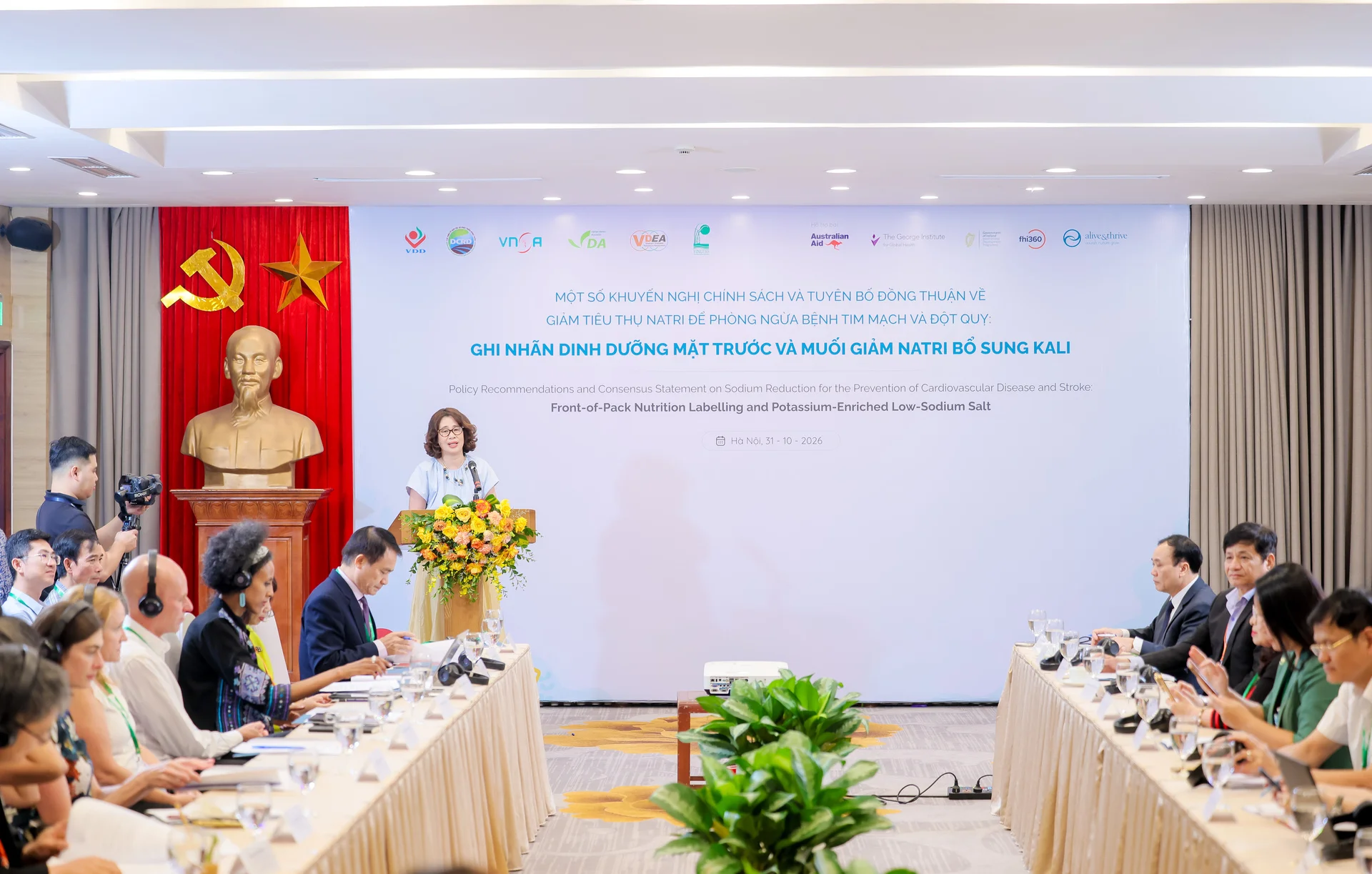
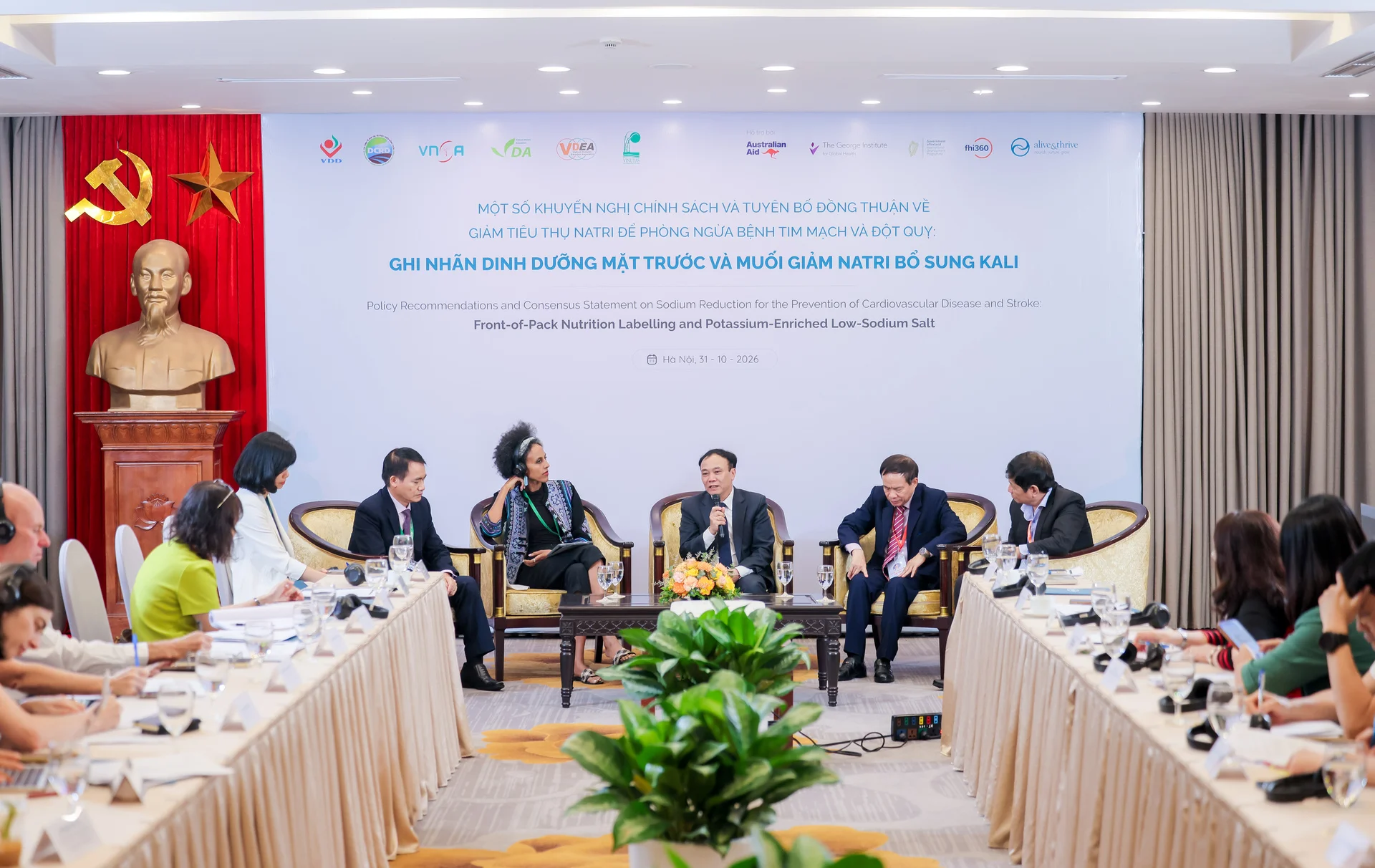
On October 31, 2026, in Hanoi, the National Institute of Nutrition (NIN), under the Ministry of Health, hosted a workshop entitled “Policy Recommendations and Consensus Statement on Sodium Reduction for the Prevention of Cardiovascular Disease and Stroke: Front-of-Pack Nutrition Labelling and Potassium-Enriched Lower-Sodium Salt”, as part of the 2026 National Stroke Conference. The event was jointly organised by NIN, the Vietnam Stroke Association and Alive & Thrive (FHI 360), bringing together representatives from government agencies, professional associations and international organisations.
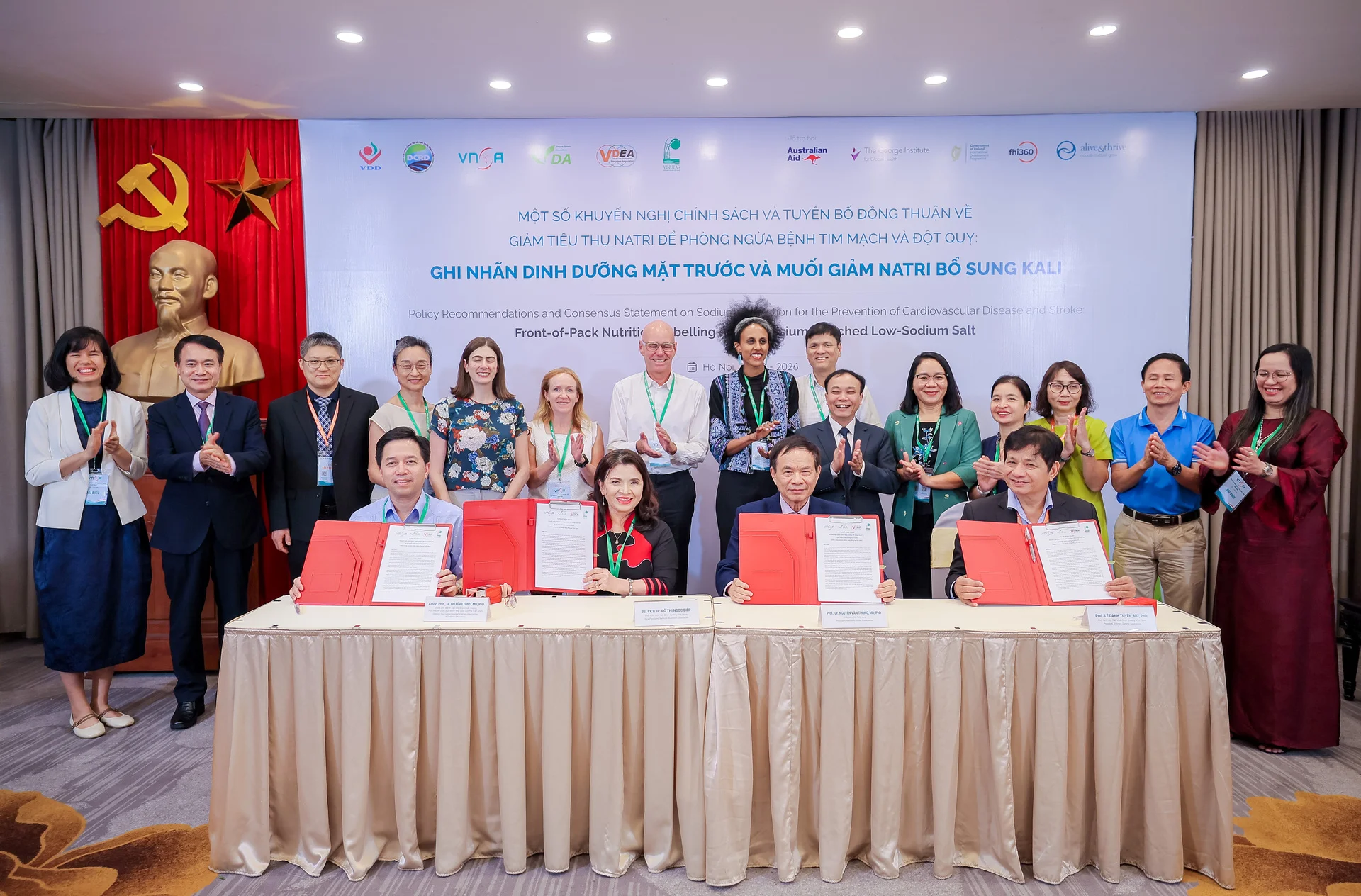
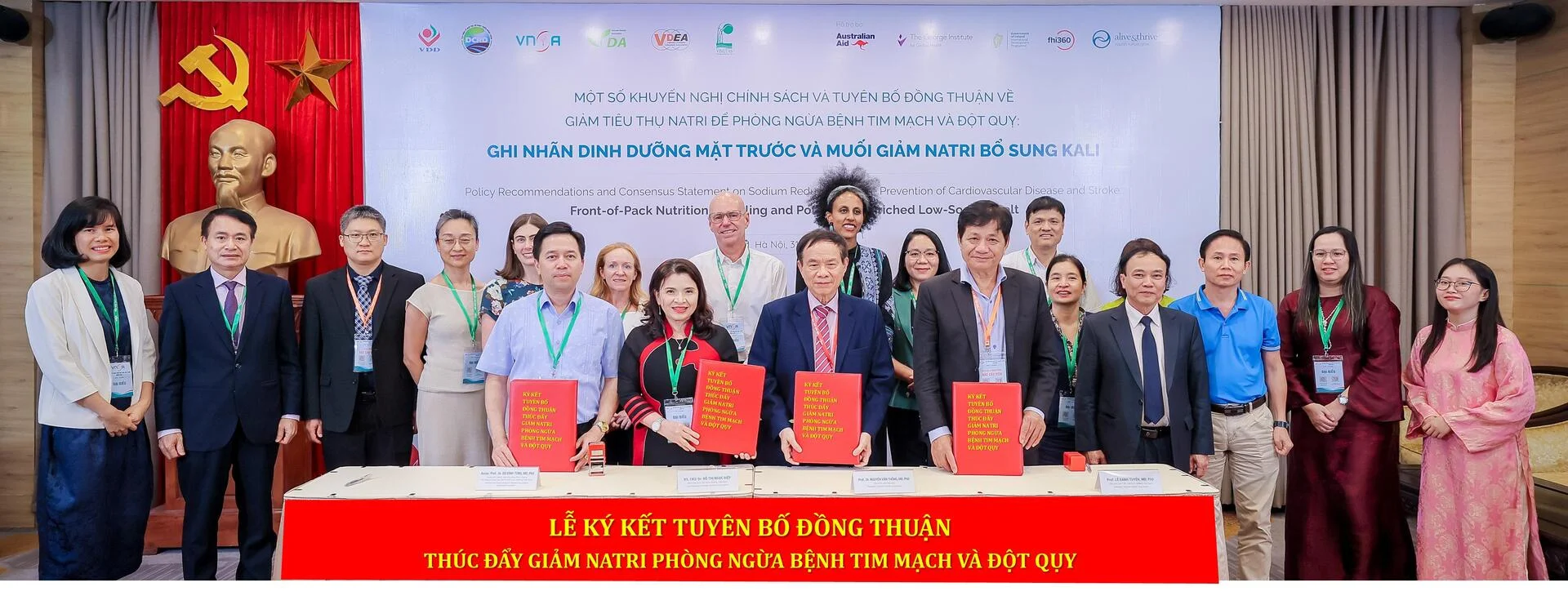
At the workshop, four professional associations, including the Vietnam Stroke Association, Vietnam Dietetic Association, Vietnam Diabetes Educators Association and Vietnam Nutrition Association, signed a Consensus Statement on sodium reduction, salt iodisation and front-of-pack nutrition labelling. The Statement reflects a shared professional commitment to advancing preventive measures against noncommunicable diseases (NCDs).
Sodium Reduction: A Priority for Noncommunicable Disease Prevention and Control
According to the 2021 National Survey on the Risk Factors of Noncommunicable Diseases (STEPS), conducted by the Ministry of Health and the World Health Organization (WHO), the average salt intake in Vietnam is approximately 8.1 grams per person per day, exceeding WHO's recommended limit of less than 5 grams per day. The prevalence of hypertension among adults is 26.2%. Excessive sodium intake contributes to elevated blood pressure, increasing the risk of cardiovascular disease and stroke.
The STEPS survey also found that 78.2% of adults aged 18–69 always or often add salt, fish sauce or salty condiments to their food before or during meals. These findings highlight the need to combine public awareness campaigns with policies that promote healthier food environments.
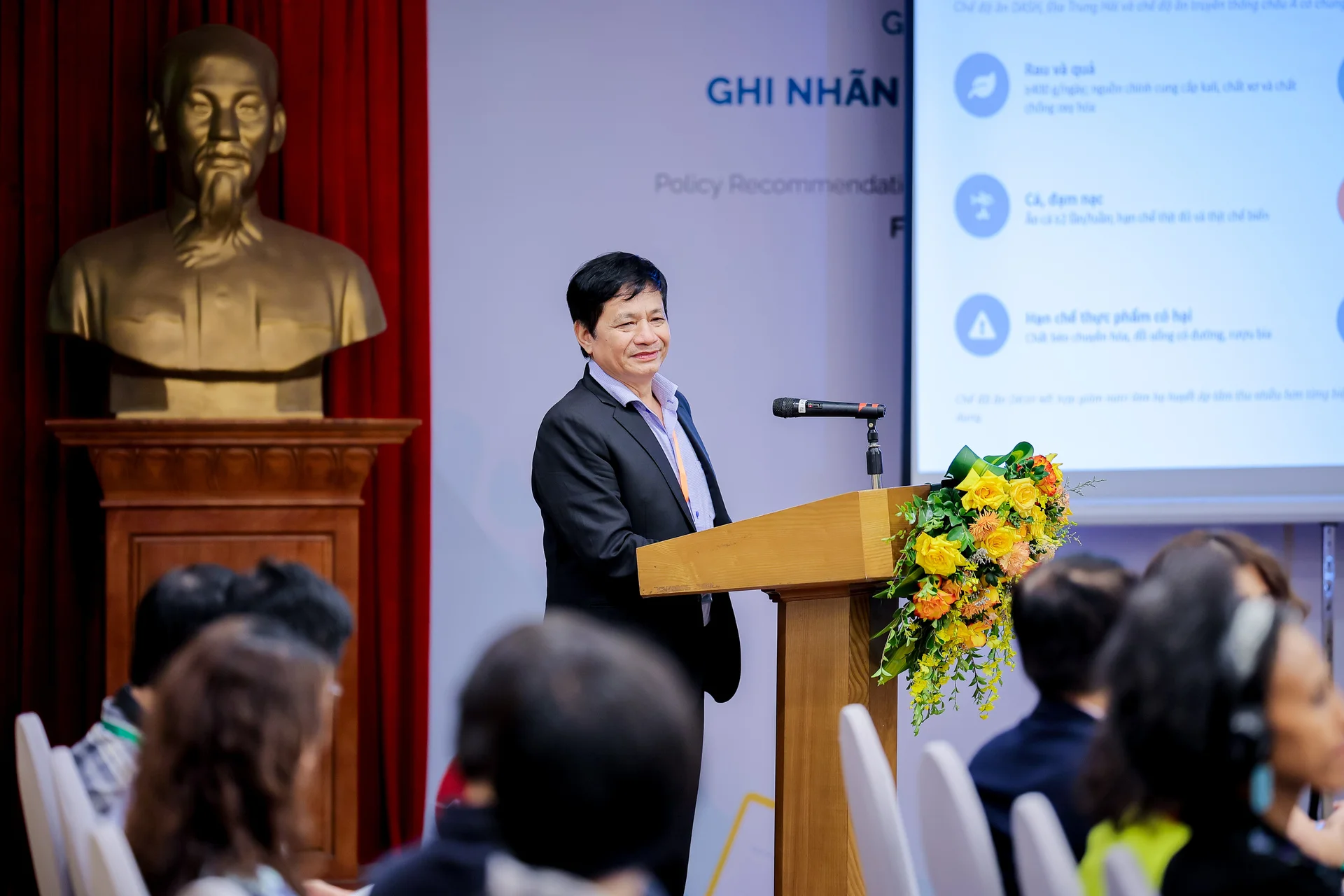
Assoc. Prof. Tran Thanh Duong, PhD, Director of the National Institute of Nutrition, emphasised that most dietary sodium in Vietnamese meals comes from salt, fish sauce, seasoning powder and processed foods. He stated: “Reducing sodium intake by cutting back on salt and salty seasonings is one of the most effective solutions for preventing hypertension, stroke and cardiovascular disease.” He also affirmed that NIN would continue to provide scientific evidence and technical support to advance sodium reduction initiatives
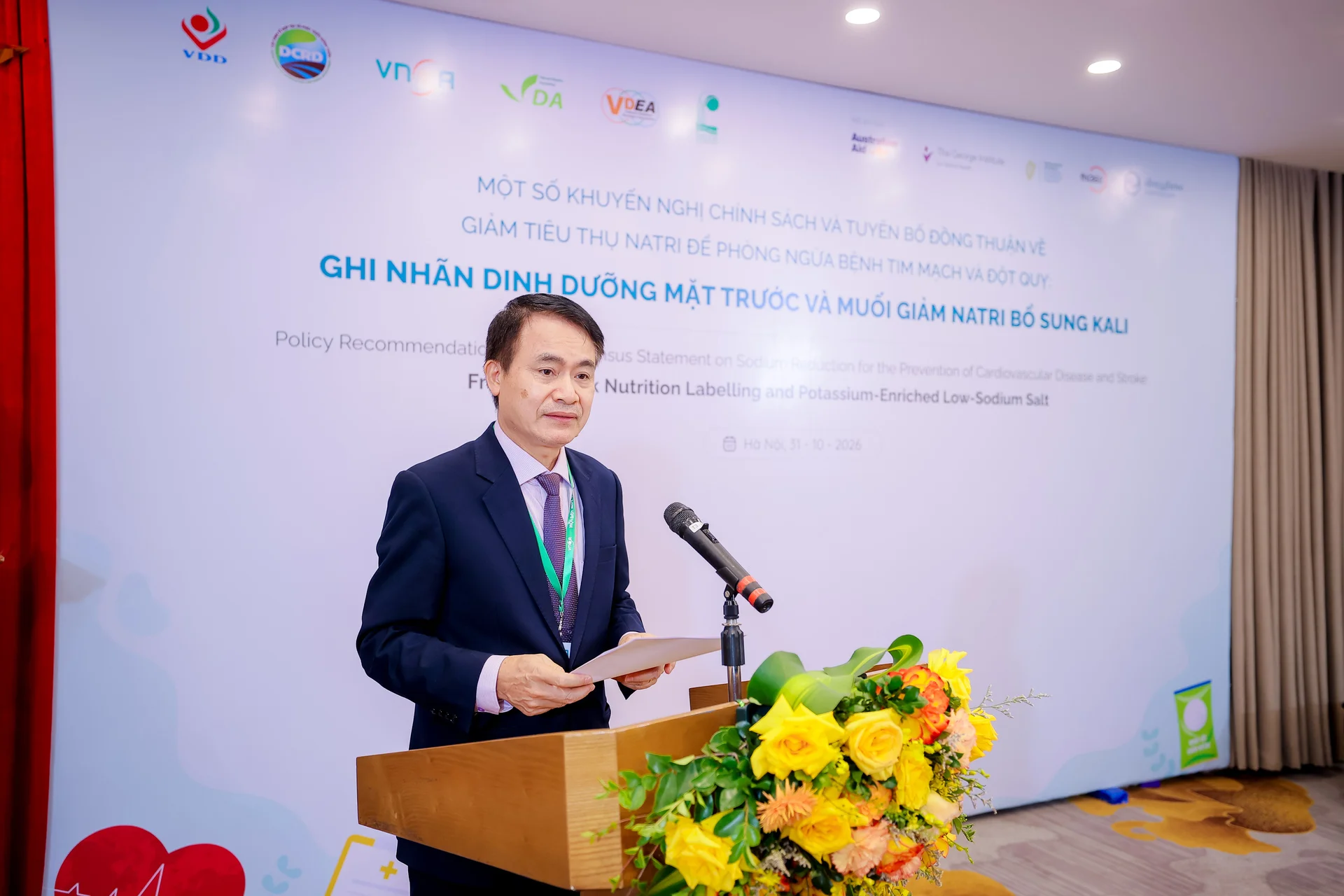
Assoc. Prof. Tran Thanh Duong, PhD, Director of the National Institute of Nutrition.
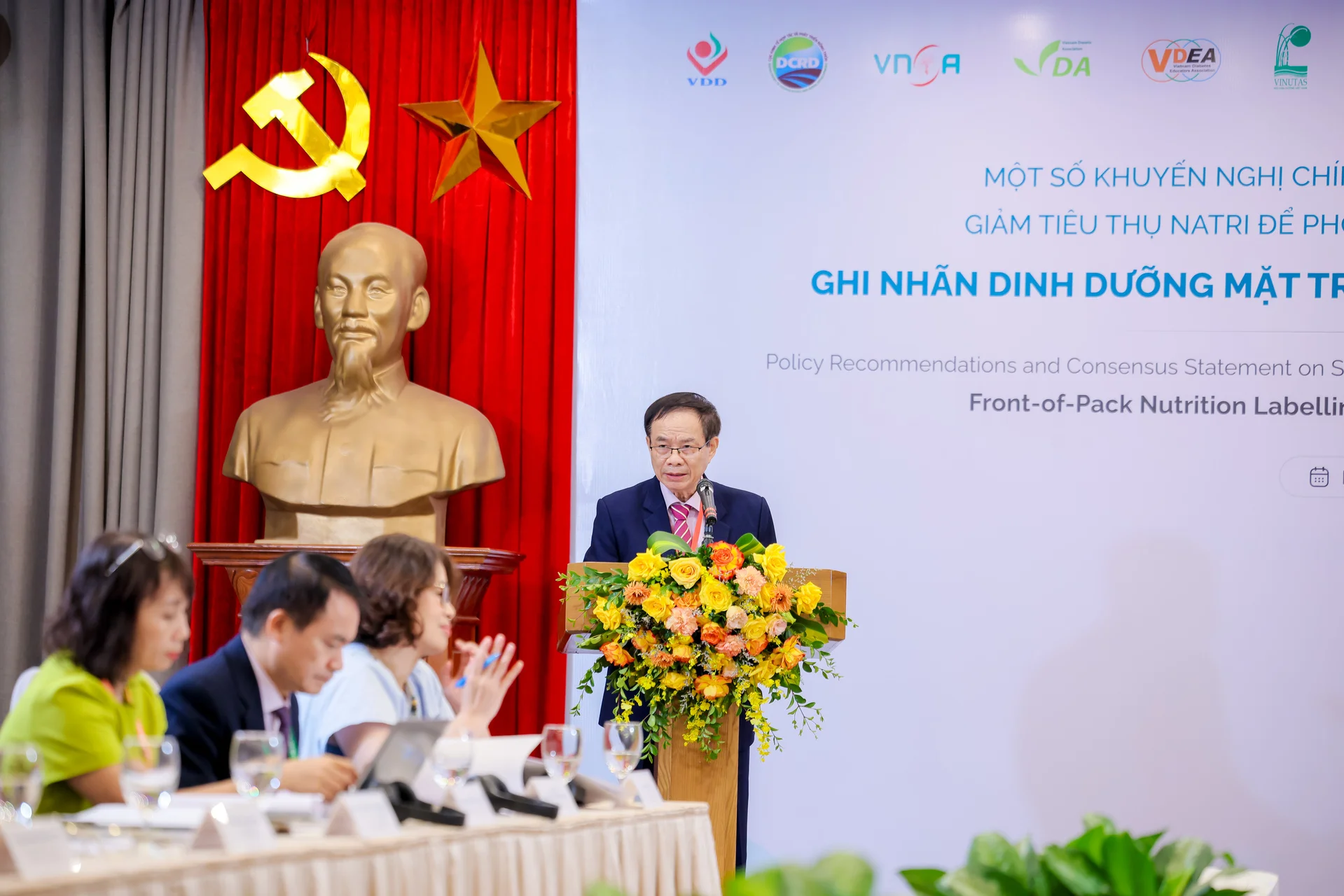
Prof. Le Danh Tuyen, PhD, President of the Vietnam Dietetic Association, presented the role of nutrition in preventing cardiovascular disease and stroke. He recommended adopting a diverse and healthy diet while limiting salt, trans fats, processed foods and sugar-sweetened beverages. Potassium-enriched lower-sodium salt was also highlighted as a potentially affordable complementary intervention for suitable individuals.
Two Key Interventions to Support a Comprehensive Sodium Reduction Strategy
Potassium-enriched lower-sodium salt substitutes replace part of the sodium chloride in regular salt with potassium chloride. The Consensus Statement cites a clinical trial involving more than 20,000 people at high cardiovascular risk, which found that using potassium-enriched lower-sodium salt reduced the risk of stroke by 14%, major cardiovascular events by 13% and death by 12%. These findings provide scientific evidence to support consideration of this intervention in appropriate settings.
According to WHO's 2025 guideline, the use of potassium-enriched lower-sodium salt is a conditional recommendation and does not apply to children, pregnant women, individuals with impaired kidney function or those with conditions affecting potassium excretion. People with chronic diseases or taking relevant medications should consult healthcare professionals before use. Importantly, lower-sodium salt substitutes should not replace efforts to reduce overall dietary salt intake.
The workshop also emphasised the importance of maintaining adequate iodine fortification in salt and seasonings. Sodium reduction strategies should be implemented alongside measures to prevent iodine deficiency disorders.
Dr. Pham Thi Quynh Nga, MSc, from the WHO Country Office in Vietnam, shared international guidance and experiences in implementing front-of-pack nutrition labelling. Interpretative labels, such as warnings indicating high sodium content, can help consumers quickly understand nutritional information and make healthier food choices. Such labels should be designed based on scientific evidence and adapted to consumers' needs.

Ge Zeng, PhD, Director of the Cardiovascular Health Programme at Vital Strategies, shared China's experience in promoting sodium reduction. In 2015, China introduced a mandatory national standard for edible salt, including provisions for lower-sodium salt. Professor Bruce Neal of the University of New South Wales, Australia, highlighted the cardiovascular benefits of potassium-enriched lower-sodium salt, while stressing the importance of affordability and clear guidance on safe use.
Strengthening Collaboration and Advancing Policy Development
As the Ministry of Health leads the revision of the Law on Food Safety during 2026–2027, experts recommended considering mandatory front-of-pack nutrition labelling to support healthier food choices. Meanwhile, the Ministry of Agriculture and Environment is proposing amendments to existing policies governing the salt industry.
The Consensus Statement identifies four key priorities: promoting sodium reduction as an effective measure to prevent NCDs; considering the use of potassium-enriched lower-sodium salt in appropriate settings; strengthening salt iodisation policies; and advancing a mandatory, government-led national system of interpretative front-of-pack nutrition labelling.
The participating associations also called for improvements in professional guidelines, product quality standards, public health communication, and monitoring of sodium, potassium and iodine intake.
The Statement was signed by Prof. Nguyen Van Thong, PhD, President of the Vietnam Stroke Association; Prof. Le Danh Tuyen, PhD, President of the Vietnam Dietetic Association; Assoc. Prof. Do Dinh Tung, PhD, Vice President of the Vietnam Diabetes Educators Association; and Dr. Do Thi Ngoc Diep, Level II Specialist, Vice President of the Vietnam Nutrition Association.
The workshop contributed to strengthening collaboration among government agencies, professional associations and development partners in formulating sodium reduction policies.
The key message for the public is to reduce the consumption of salt, fish sauce and other sodium-rich seasonings; limit processed foods high in sodium; check nutrition labels; maintain a diverse and balanced diet; and use iodised salt while controlling overall salt intake.
Highlights from the Conference