

CỔNG THÔNG TIN DINH DƯỠNG QUỐC GIA
VIETNAM NUTRITIONAL PORTAL
VIETNAM NUTRITIONAL PORTAL
Gestational diabetes mellitus (GDM) is one of the most common metabolic disorders in pregnant women. Although blood glucose levels often return to normal immediately after delivery (once the placenta has been expelled), a mother’s journey of metabolic health care does not end there.
Medical studies from the World Health Organization (WHO) and the American Diabetes Association (ADA) indicate that women who have had GDM face a risk of progressing to type 2 diabetes that is 7 to 10 times higher within 5–10 years after childbirth compared with the general population.
Fortunately, nature has given mothers a natural, safe and highly effective “prescription” to help push back this risk: breastfeeding.

Why does breastfeeding help mothers lower blood sugar and improve metabolism?
The process of producing breast milk does not simply provide food for the baby; it is also an extremely powerful energy-metabolizing activity within the mother’s body:
Scientific studies have also shown that mothers who previously had gestational diabetes and who exclusively breastfeed for at least the first 3–6 months can reduce their future risk of developing type 2 diabetes by up to 50% compared with those who do not breastfeed or breastfeed only briefly.
Benefits for both mother and child
Babies born to mothers with gestational diabetes often face a higher risk of becoming overweight or obese and developing metabolic disorders later in life. Breastfeeding is precisely the solution that can “reprogram” a child’s health:
4 important points mothers with gestational diabetes should keep in mind after giving birth
Although breastfeeding offers tremendous benefits, mothers with gestational diabetes still need a smart strategy to both ensure an adequate milk supply and safely control their blood sugar after delivery:
4.1. Re-screen blood glucose at the right time
Do not skip your postnatal health check. Visit a health facility for a 75g Oral Glucose Tolerance Test (OGTT) at around 4 to 12 weeks postpartum. This screening milestone helps doctors determine with certainty whether your blood glucose has truly returned to normal, or whether you are in the prediabetes stage and need timely follow-up and care.
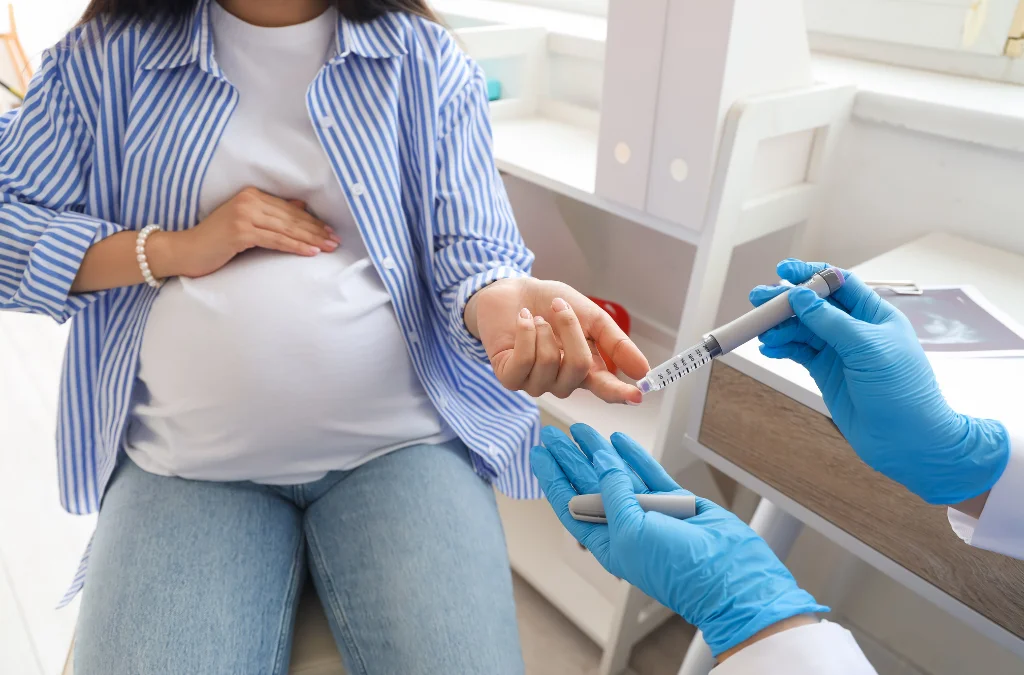
Mothers need to proactively undergo a glucose tolerance test to screen early for gestational diabetes.
4.2. Proactively prevent mild hypoglycemia while breastfeeding
Because milk production draws sugar from the blood very quickly, some mothers may feel dizzy, sweaty or experience mild hand tremors during or immediately after breastfeeding. To prevent this, mothers should prepare a small snack containing complex carbohydrates about 15–20 minutes before breastfeeding (for example: boiled sweet potato, 1 glass of unsweetened nut milk, or 1 slice of wholegrain black bread).
4.3. Establish a low glycemic index (Low GI) diet
Contrary to the traditional belief that “a breastfeeding mother must eat lots of white rice or sticky rice to produce milk,” mothers who had gestational diabetes should prioritize the following after giving birth:
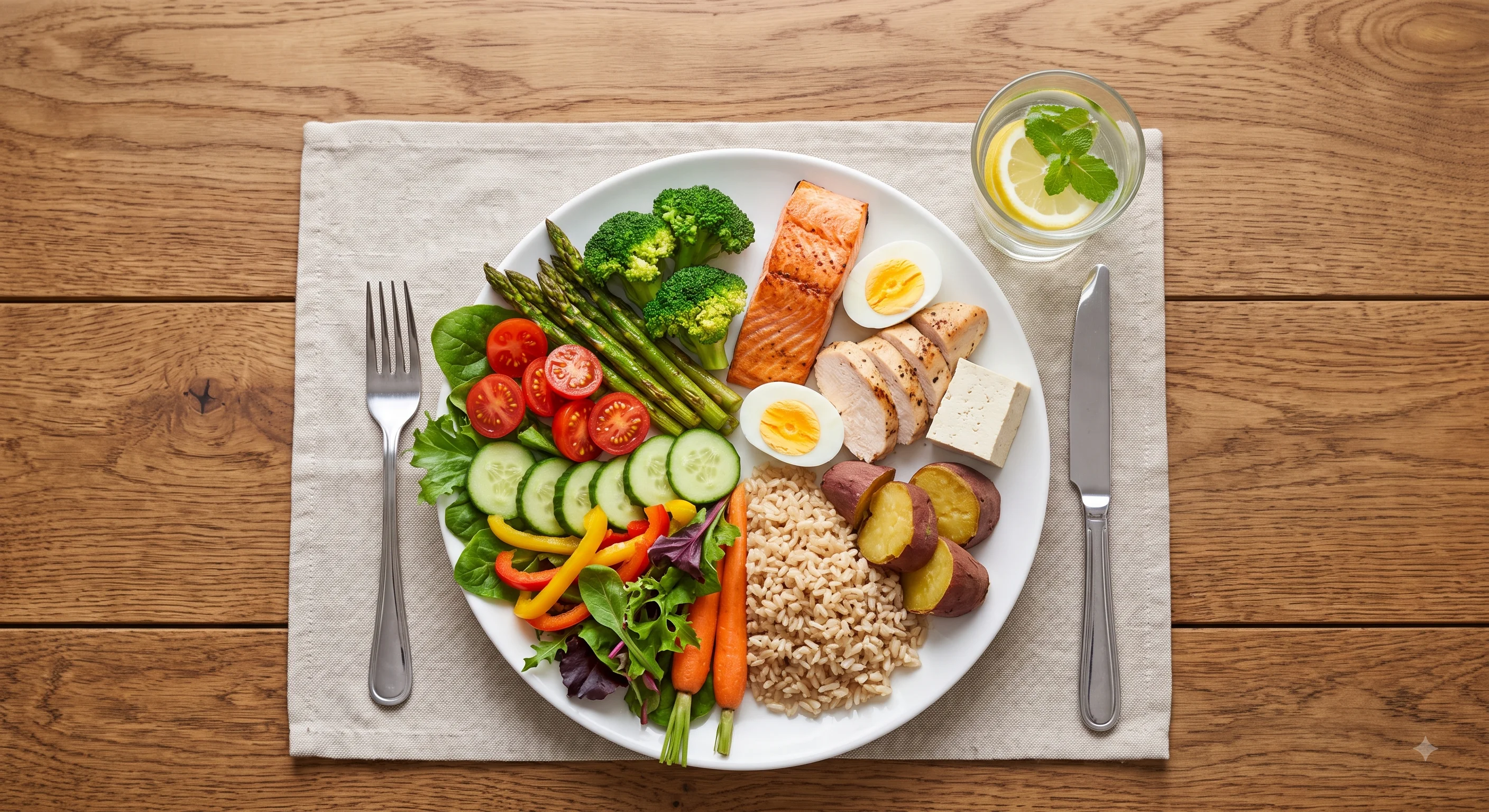
Soft drinks, confectionery, fruits with high sugar content (longan, lychee, ripe mango, etc.), and sweetened milk products.
| FAST-METABOLIZING CARBOHYDRATES (should be limited) | SLOW-METABOLIZING CARBOHYDRATES (recommended) |
|---|---|
| White rice, cooked white rice | Brown rice, cooked brown rice, germinated rice |
| White bread, steamed buns | Black bread, wholegrain bread |
| French fries, mashed potatoes | Boiled sweet potatoes, boiled taro |
| White rice noodles, regular fresh pho | Brown rice noodles, pure dong vermicelli |
| Sticky rice, banh chung, banh tet | Oats, porridges made from whole legumes |
4.4. Gentle daily exercise with your baby
Mothers do not need to do strenuous exercise immediately after giving birth. Simply moving around gently while holding the baby, or pushing the stroller for a 15–20 minute walk each day after the main meal, is enough. These light movements help the muscles use blood sugar much more effectively.
Gestational diabetes may have caused mothers anxiety and required strict dietary control, but the postpartum period is the best opportunity for mothers to restore their health. Breastfeeding not only gives babies the best possible start, but is also the most natural and sustainable way for mothers to protect themselves against the risk of diabetes in the future.