

CỔNG THÔNG TIN DINH DƯỠNG QUỐC GIA
VIETNAM NUTRITIONAL PORTAL
VIETNAM NUTRITIONAL PORTAL
Puberty is a period of significant changes in height, weight and body shape. It is also a time when adolescents begin to pay greater attention to their appearance and how others perceive them. Influenced by casual remarks or the desire to achieve a slimmer figure, some adolescents begin fasting, skipping meals, cutting out carbohydrates or following unscientific weight-loss diets. What is particularly concerning is that, at a time when their bodies require adequate energy and nutrients for growth, inappropriate dieting can put adolescents at risk of nutritional deficiencies, affecting their physical growth, bone health, physiological function and mental health.
Why Are Adolescents Particularly Vulnerable to Dieting Pressures?
As children enter puberty, their bodies undergo numerous changes under the influence of sex hormones. Girls typically experience a physiological increase in body fat in areas such as the breasts, hips and thighs, while boys tend to develop greater muscle mass and broader shoulders.
Both boys and girls experience rapid increases in height and weight, although the timing and rate of growth vary. However, not all adolescents understand that weight gain is a natural part of growing up.

Some adolescents believe they are becoming overweight and need to lose weight, even when their body weight remains appropriate for their age and height. Teasing and comparisons about physical appearance from peers, or even unintentional comments from family members, can also undermine their self-confidence and prompt them to try to change their bodies.
Driven by the desire to achieve an attractive figure, adolescents may independently decide to skip breakfast, eat very little, completely eliminate carbohydrates or fats, or even fast for prolonged periods without fully understanding the potential health consequences.
Puberty: A Period of Particularly High Nutritional Needs
Puberty is one of the body's periods of most rapid growth, second only to early childhood. During this stage, energy and nutrient requirements increase to support the development of height, muscle mass, the skeletal system, organs and physiological functions.
B vitamins and other micronutrients are also necessary to maintain metabolic processes, learning ability and daily physical activity.
Therefore, excessively restricting energy intake or eliminating important food groups can lead to an unbalanced diet that fails to meet nutritional requirements during this critical stage of development.
What Are the Consequences of Unscientific Dieting?
When energy intake consistently falls below the body's requirements, the body must prioritize essential life-sustaining functions, leaving fewer resources available for growth. Prolonged energy deficiency, particularly when accompanied by inadequate protein and micronutrient intake, can result in slower growth, reduced muscle development and impaired physical fitness.
Eliminating multiple food groups may increase the risk of deficiencies in iron, calcium, vitamin D, zinc and other essential nutrients. Iron deficiency can lead to anemia, causing fatigue, dizziness and reduced concentration. Meanwhile, insufficient calcium and vitamin D intake during this important period of bone mass accumulation can have long-term consequences for bone health.
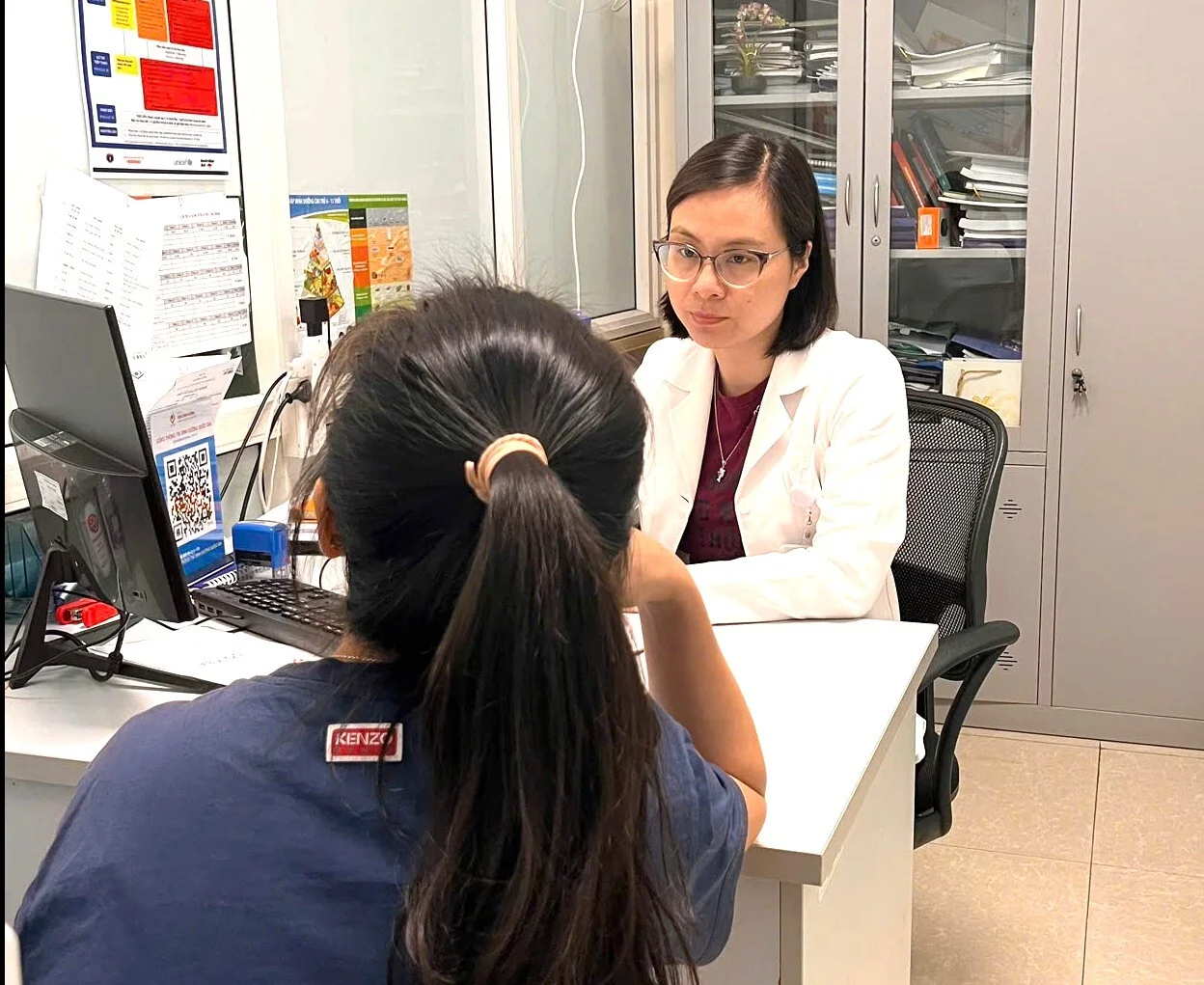
Adolescents who do not eat adequately may frequently experience hunger, fatigue, low energy, difficulty concentrating in class or reduced ability to participate in sports. In particular, among those who combine strict dieting with high-intensity exercise, inadequate energy intake can significantly affect endurance and recovery.
Prolonged energy deficiency can alter the activity of hormones involved in growth and reproduction. In girls, this may cause irregular menstrual cycles or amenorrhea (absence of menstruation). In severe cases, undernutrition can also disrupt the normal progression of puberty.
Another concerning consequence is that excessive dieting may be accompanied by an obsession with body weight and appearance. Adolescents may feel guilty after eating, constantly monitor their food intake, alternate between fasting and compensatory eating, or exercise excessively to burn calories. These may be warning signs of disordered eating behaviors that require early recognition and timely intervention.
How Can Adolescents Eat Healthily While Maintaining an Appropriate Weight?
Instead of following restrictive diets, adolescents should be guided toward developing healthy eating habits that meet their growth requirements: adequate, balanced, regular and varied nutrition.
Adolescents should also be encouraged to engage in regular physical activity, get adequate sleep and limit prolonged sedentary time.
If an adolescent is genuinely overweight or obese, weight management should be undertaken under the guidance of healthcare professionals to improve health while ensuring that nutritional needs for growth are adequately met.
Do Not Let Appearance Pressure Come at the Expense of Health
Puberty is a stage when the body needs adequate nourishment for comprehensive development, not a time to pursue unrealistic appearance standards. A healthy body does not necessarily have to be very thin; rather, health should be assessed based on growth, physical fitness and overall well-being.
Families play an important role in shaping adolescents' perceptions of their bodies and their eating habits. Instead of criticizing their appearance, comparing their weight with others or pressuring them to lose weight, parents should listen to their children's concerns and help them understand that everyone grows at a different rate and has a different body shape.
| Puberty is a period when the body requires adequate nutrition for comprehensive development. What matters is that adolescents are guided toward healthy eating, appropriate physical activity and confidence in their own bodies, rather than pursuing unrealistic appearance standards. An attractive physique is not determined by body weight alone; more importantly, it reflects good health and balanced physical and mental development. |
Pham Thi Thanh Huyen, MSc
Department of Adult Nutrition Examination and Counseling, National Institute of Nutrition