


Puberty is considered a period of catch-up growth or the final opportunity to optimize height development. But why is this stage so important, and what should children eat and how should they exercise?
When children enter puberty, their bodies undergo a major surge in hormone levels, leading to rapid changes. During this stage, children may grow 8–12 cm per year over a 1–2-year "golden period." This is the fastest rate of growth they will experience since the age of two.

Although genetics determines the framework for height development, nutrition is one of the factors that help children maximize their height potential. In addition, regular exercise, adequate sleep and maintaining a consistent sleep schedule also promote height growth.
Maintain a Balanced Diet
During the adolescent years, it is important for children to obtain all the nutrients their bodies need. Accordingly, their diet during this stage should provide the building blocks for bone development, including calcium and phosphorus (the main components of bone minerals), as well as vitamins D3 and K2.
In addition, nutrition should support the production of growth hormone (GH). A diet containing adequate protein and amino acids helps the pituitary gland produce growth hormone optimally. If children consume excessive amounts of refined sugar or sweets, elevated insulin levels can suppress growth hormone secretion, making it more difficult for them to grow taller.
Furthermore, during this stage, bones need not only to grow longer but also to become stronger. Approximately 40% of adult bone mass is formed during puberty. Poor nutritional interventions at this stage may increase the risk of developing osteoporosis at an early age later in life.
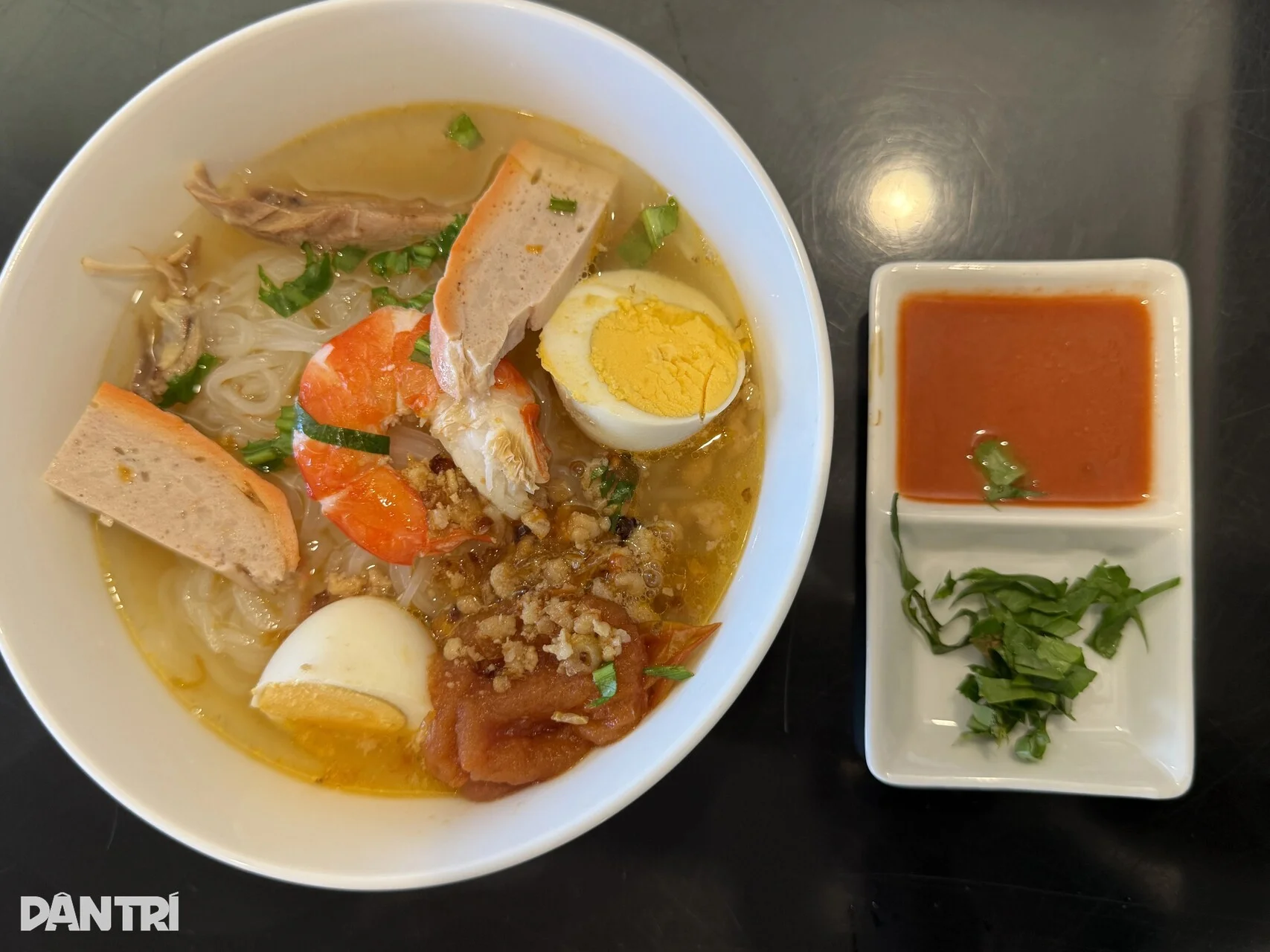
Children's diets should include:
- Fresh vegetables and fruits: Vegetables and fruits are rich in vitamins, minerals and dietary fiber, which are essential for maintaining a healthy diet.
- Grains.
- Protein: This is an essential nutrient for growth and development.
- Eggs and milk: Both are rich sources of protein. Egg whites contain a protein called albumin. Milk is rich in protein as well as vitamins D, A and E, and calcium.
Calcium and vitamin D also promote bone health. Common dietary sources of calcium and vitamin D include tuna, salmon, vitamin D-fortified milk and egg yolks.
- Children should limit or avoid foods high in sugar, trans fats and saturated fats, which are commonly found in processed foods and carbonated soft drinks.
Use Supplements with Caution
Only a small proportion of children are suitable candidates for supplements intended to support height growth. For example, if a child has a health condition that affects the production of human growth hormone (GH), a doctor may recommend a supplement containing synthetic GH.
In all other cases, children should not use products advertised as height-enhancing without medical guidance.
Ensure Children Get Enough Sleep
Getting a good night's sleep is very important for children.
Sleep deprivation can affect children's height in the long term because the body releases growth hormone (GH) during sleep. The production of this hormone and other hormones may decrease if children do not get enough sleep or maintain a regular sleep schedule.
Exercise Regularly
Regular exercise offers numerous benefits. It strengthens muscles and bones, helps children maintain a healthy body weight and promotes growth hormone production.
School-age children should exercise for at least one hour every day. During this time, they should focus on strength-building exercises such as push-ups, stretching exercises, swimming and jumping rope.
Stretching exercises are particularly beneficial for children, helping stretch the spine and neck. They also help mobilize joints and loosen tendons and ligaments, creating favorable conditions for bone growth.
Swimming is an excellent exercise for promoting height growth. It helps elongate the spine, stretch the neck and core muscles, and stimulate growth hormone production in the body. Other sports, such as basketball, football, badminton and running, also help promote growth hormone production.
Jumping rope is an enjoyable exercise that engages the entire body. When jumping rope, the whole body is stretched, helping support children's vertical growth.
However, children should not engage in weightlifting exercises.
Practice Good Posture
Poor posture can make children appear shorter and, over time, may affect their height. Incorrect posture can alter the shape of a child's spine, increasing the risk of developing a hunched back or spinal curvature, including scoliosis.
Phan Bich Nga, PhD, Physician
Head of the Department of Pediatric Nutrition Examination, National Institute of Nutrition; President of the Pediatric Nutrition Association